A Hater’s Guide to William Sonoma: Exposing the Pricey Facade
William Sonoma cultivates an aspirational lifestyle‚ yet often disappoints with inflated prices and questionable quality․ This guide dissects the brand’s marketing‚ revealing how it preys on culinary desires․
William Sonoma doesn’t simply sell kitchenware; it sells a meticulously crafted illusion․ Stepping into a William Sonoma store‚ or browsing its catalog‚ is akin to entering a perfectly staged domestic dream; Gleaming copper pots hang invitingly‚ rustic wooden cutting boards beckon‚ and the air is subtly scented with vanilla and possibility․ This isn’t a store for necessities; it’s a destination for aspirations․
But beneath this polished veneer lies a reality often at odds with the perceived value․ The brand has expertly positioned itself as the purveyor of premium quality and sophisticated taste‚ commanding a price point that leaves many questioning whether the goods truly justify the expense․ This isn’t about denying the aesthetic appeal – the products are visually attractive․ The core issue is the significant markup‚ fueled by clever marketing and a carefully constructed brand identity․
This guide aims to dismantle that illusion‚ to expose the strategies William Sonoma employs to convince consumers they need – and can afford – a lifestyle often out of reach․ We’ll delve into the pricing discrepancies‚ the questionable ingredient sourcing‚ and the often-overlooked flaws in product quality․ Prepare to have your perceptions challenged‚ and your wallet potentially spared․
II․ The Price Point Problem: Is It Worth the Hype?
William Sonoma’s pricing strategy is‚ to put it mildly‚ aggressive․ A simple wooden spoon can easily cost three times what it would at a competitor‚ and a set of knives can rival the price of a used car․ The justification? “Premium quality” and “exceptional craftsmanship․” But is this truly reflected in the products‚ or is it a case of paying for the brand name and the associated lifestyle?
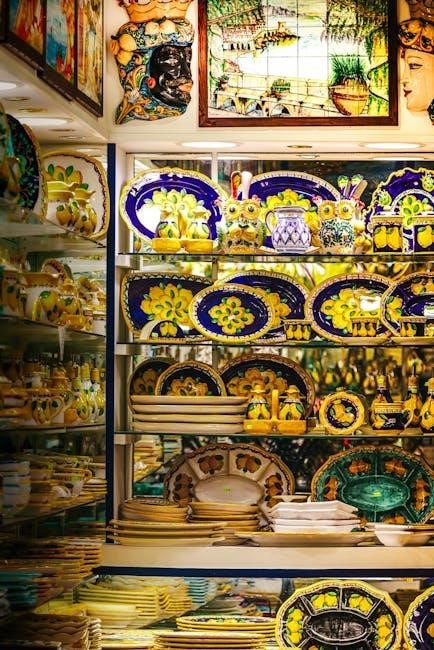
The core problem isn’t necessarily that William Sonoma items are inherently expensive to produce․ It’s that the markup is disproportionately high․ Consumers are paying a substantial premium for the perceived status and exclusivity the brand offers․ This is further compounded by the frequent use of limited-time offers and “sales” that often feel less like genuine discounts and more like psychological pricing tactics․
The question isn’t simply whether you can afford a William Sonoma product‚ but whether it’s a sensible financial decision․ Are you truly receiving a commensurate level of quality and durability that justifies the inflated price tag? Often‚ the answer is a resounding no․ Competitors offer comparable‚ and sometimes superior‚ products at significantly lower costs․
III․ Comparing WS Prices to Competitors
Let’s get specific․ A William Sonoma 10-piece stainless steel cookware set can easily exceed $500․ Meanwhile‚ comparable sets from Cuisinart or All-Clad – brands renowned for quality – are frequently available for $300-$400․ The difference? Often‚ it’s branding and perceived prestige‚ not superior materials or construction․
Consider bakeware․ A simple 9×13 inch baking pan at William Sonoma can cost $40‚ while a similar pan from Nordic Ware‚ a trusted name in baking‚ is available for around $20․ The same disparity exists across nearly every product category‚ from kitchen tools to linens․
Even when factoring in sales‚ William Sonoma’s prices rarely dip low enough to genuinely compete with budget-friendly alternatives like Target’s Made By Design line or Amazon Basics․ These alternatives may not have the same aesthetic appeal‚ but they offer comparable functionality at a fraction of the cost․ The price gap isn’t justifiable based on performance or longevity․
Ultimately‚ a direct price comparison reveals that William Sonoma consistently charges a premium for products that are often functionally equivalent to those offered by competitors․
IV․ The “Premium” Ingredient Myth
William Sonoma heavily markets its ingredients as “premium‚” implying superior flavor and quality․ However‚ a closer look reveals this is often a marketing tactic rather than a reflection of reality․ Their vanilla extract‚ for example‚ is significantly more expensive than comparable extracts from Nielsen-Massey or P․ Lorillard‚ despite similar ingredient lists and sourcing․
The “premium” label frequently translates to higher prices for essentially the same product․ Organic sugar sold at William Sonoma isn’t inherently better than organic sugar from Whole Foods or Trader Joe’s; it simply carries a higher price tag․ The same applies to their spices and chocolate․
Often‚ William Sonoma’s ingredients are repackaged versions of products available from wholesale suppliers․ While the packaging may be more aesthetically pleasing‚ it doesn’t justify the substantial price increase․ Savvy shoppers can find identical ingredients at lower costs elsewhere․
The “premium” claim relies on consumer perception and the brand’s carefully cultivated image‚ not demonstrable differences in quality or taste․ It’s a clever marketing strategy designed to justify inflated prices․
V․ Product Quality: Overrated or Truly Superior?
William Sonoma’s reputation hinges on perceived quality‚ but does it truly deliver? Many argue the high price point doesn’t guarantee superior performance or durability․ While some items are well-made‚ inconsistencies are frequently reported‚ particularly with their kitchen tools and gadgets․
Wooden utensils‚ often touted for their craftsmanship‚ can splinter or crack with regular use‚ a problem rarely encountered with comparable tools from brands like OXO․ Similarly‚ their silicone baking mats have been criticized for lacking the durability of those from Silpat․
The quality of their textiles – aprons‚ oven mitts‚ and dish towels – is often unremarkable‚ failing to justify the premium price․ Cheaper alternatives offer comparable absorbency and longevity․
Ultimately‚ William Sonoma’s product quality is inconsistent․ Some items are genuinely well-made‚ but many are simply overpriced for what they offer․ Consumers are often paying more for the brand name than for demonstrable quality․
VI․ Cookware Concerns: Hot Spots and Durability
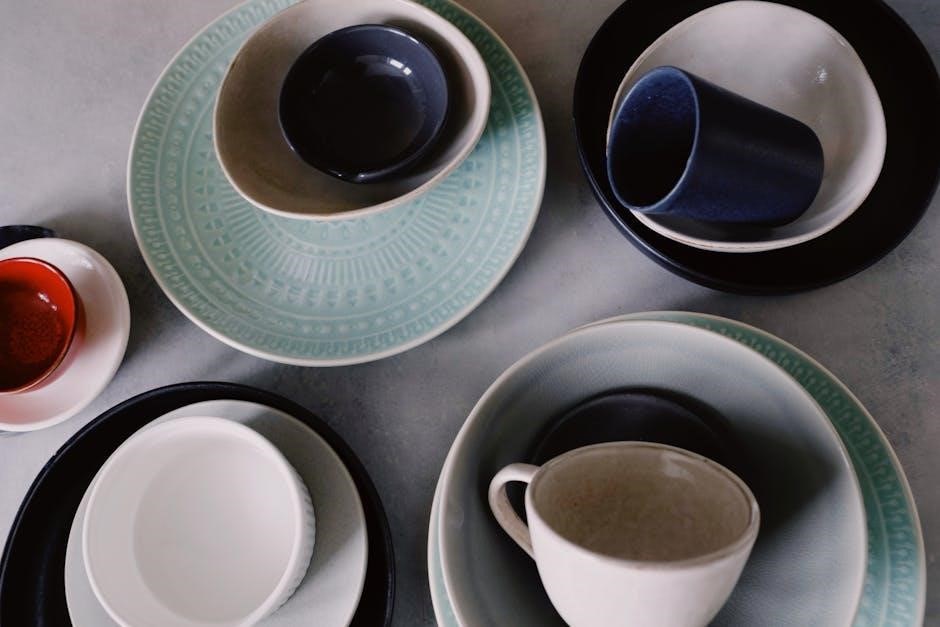
William Sonoma’s cookware‚ particularly their stainless steel lines‚ frequently suffers from complaints regarding uneven heating – notorious “hot spots” – leading to inconsistent cooking results․ This is a significant issue‚ especially when attempting delicate sauces or searing meats․
While marketed as professional-grade‚ many users report warping in the bases of pans over time‚ rendering them unusable on induction cooktops․ This warping also affects stability on flat surfaces‚ posing a safety hazard․
The non-stick coatings‚ while initially effective‚ tend to degrade rapidly with normal use‚ even when following care instructions meticulously․ Peeling and flaking are common occurrences‚ raising concerns about potential health risks․
Furthermore‚ the handles on some William Sonoma cookware have been criticized for becoming loose over time‚ compromising grip and control․ Considering the price‚ the durability simply doesn’t measure up to expectations‚ making cheaper alternatives a more sensible investment․
VII․ Appliance Issues: Frequent Repairs and Short Lifespans
William Sonoma appliances‚ despite their premium price tags‚ are plagued by reports of frequent malfunctions and surprisingly short lifespans․ Stand mixers‚ blenders‚ and food processors are common culprits‚ often requiring repairs within the warranty period – a frustrating experience for consumers․
Many users detail issues with motor failures‚ particularly in the higher-end models‚ suggesting a compromise in component quality․ The repair process itself is often slow and cumbersome‚ with limited access to authorized service centers․
The brand’s coffee makers and espresso machines are also prone to problems‚ including heating element failures and pump malfunctions․ These issues frequently necessitate costly repairs or complete replacements․
Considering the substantial investment required for these appliances‚ the lack of long-term reliability is a major drawback․ Competitors offer comparable features and performance at significantly lower prices‚ with a proven track record of durability‚ making William Sonoma a risky purchase․
VIII․ Marketing Tactics: Preying on Aspirations
William Sonoma’s marketing strategy masterfully exploits consumers’ culinary aspirations‚ presenting a lifestyle of effortless gourmet cooking․ Their catalogs and website aren’t simply product listings; they’re curated visions of sophisticated entertaining and domestic bliss‚ subtly implying that their products are essential to achieving this ideal․

The brand heavily relies on aspirational imagery – perfectly styled kitchens‚ lavish dinner parties‚ and professional-looking dishes – creating a sense of desire and inadequacy in those who don’t possess the “right” tools․ This tactic encourages impulse purchases based on emotional appeal rather than practical need․
William Sonoma frequently collaborates with celebrity chefs and food personalities‚ lending an air of authority and exclusivity to their products․ These endorsements further reinforce the idea that using their equipment will elevate one’s cooking skills․
Ultimately‚ the marketing focuses on selling a dream‚ not just kitchenware‚ capitalizing on the desire for a more refined and impressive home cooking experience‚ often at a significant financial cost․
IX․ The “Lifestyle” Branding Strategy
William Sonoma doesn’t sell kitchen tools; it sells a lifestyle․ This is the core of their branding strategy‚ meticulously crafted to appeal to a specific demographic: those who aspire to a sophisticated‚ home-centric existence․ It’s about more than just cooking; it’s about entertaining‚ hosting‚ and presenting a curated image of success and taste․
The brand’s stores are designed to mimic upscale homes‚ encouraging browsing and fostering a sense of belonging to an exclusive community․ Product displays aren’t merely functional; they’re styled vignettes‚ showcasing how the items fit into a desirable lifestyle․
This strategy extends to their online presence‚ with recipe blogs‚ entertaining guides‚ and gift recommendations all reinforcing the idea that William Sonoma is a resource for creating a complete and enviable home experience․
By associating their products with aspirational values‚ they justify premium pricing and cultivate brand loyalty‚ transforming a simple purchase into an investment in a desired identity․
X․ Exploiting Culinary Trends
William Sonoma excels at capitalizing on fleeting culinary trends‚ often at a significant markup․ They swiftly introduce product lines catering to the latest food fads – sourdough starters during the pandemic‚ elaborate spice blends mirroring popular cooking shows‚ or specialized equipment for niche techniques like sous vide․ This rapid adaptation isn’t about genuine culinary innovation; it’s about maximizing profit from consumer enthusiasm․
The brand expertly monitors food blogs‚ social media‚ and restaurant menus‚ identifying emerging trends and quickly translating them into marketable products․ This creates a sense of urgency and exclusivity‚ implying that you need their specific tools to participate in the current culinary conversation․
Often‚ these trendy items are overpriced versions of readily available alternatives‚ banking on the consumer’s desire for convenience and brand recognition․ Once the trend fades‚ the specialized products linger‚ often discounted‚ revealing the opportunistic nature of their strategy․
This constant chasing of trends prevents William Sonoma from establishing a consistent‚ timeless identity‚ instead positioning itself as a reactive‚ rather than proactive‚ force in the culinary world․
XI․ Customer Service: A Tale of Disappointment
William Sonoma’s customer service consistently receives criticism‚ painting a picture of unhelpful representatives and frustrating experiences․ Many customers report excessively long wait times‚ both on the phone and via online chat‚ often exceeding 30 minutes just to connect with someone․
Once connected‚ the assistance provided is frequently described as inadequate․ Representatives are often perceived as lacking product knowledge‚ unable to resolve issues effectively‚ or simply reading from scripted responses․ Complex problems‚ such as defective appliances or incorrect orders‚ can require multiple calls and escalations‚ consuming significant customer time and energy․
The brand’s reputation for premium service doesn’t align with the reality reported by many shoppers․ Complaints frequently center around a lack of empathy and a general unwillingness to go the extra mile to satisfy customers․ This disconnect between perceived brand image and actual service delivery fuels considerable frustration․
Furthermore‚ navigating the return policy can be a challenge‚ with restrictions and limitations often causing additional headaches for dissatisfied buyers․
XII․ Return Policy Restrictions
William Sonoma’s return policy‚ while seemingly straightforward‚ is riddled with restrictions that frustrate customers․ Unlike more lenient retailers‚ the policy often demands items be returned in original packaging‚ with all accompanying materials‚ and within a limited timeframe – typically 30 days from purchase․
This presents challenges‚ especially for larger items or those used in cooking‚ where retaining original packaging isn’t always practical․ Final sale items‚ including many discounted products and personalized goods‚ are explicitly excluded from returns‚ leaving customers stuck with unwanted purchases․
Furthermore‚ returns involving shipping costs are often the responsibility of the customer‚ adding to the financial burden․ The process for initiating a return can be cumbersome‚ requiring specific forms and procedures‚ and online returns may not always be available․
Numerous complaints highlight difficulties obtaining refunds or store credit‚ with customers reporting delays and disputes over return eligibility․ These restrictions contribute to a perception that William Sonoma prioritizes profit over customer satisfaction․
XIII․ Long Wait Times and Unhelpful Representatives
William Sonoma’s customer service consistently receives criticism for extended wait times and representatives who often lack the knowledge or authority to resolve issues effectively․ Customers frequently report being placed on hold for excessive periods‚ sometimes exceeding an hour‚ only to be disconnected or transferred multiple times․
When finally connected‚ many find representatives unable to address complex problems‚ such as order discrepancies‚ product defects‚ or return inquiries․ A common complaint centers around scripted responses and a lack of genuine empathy or willingness to go the extra mile․
Online chat support fares no better‚ often providing delayed responses or generic solutions that fail to address the specific concern․ Escalating issues to supervisors proves difficult‚ with limited access and further delays․
This pattern of unhelpful and inaccessible customer service reinforces the perception that William Sonoma undervalues its customers‚ prioritizing sales over providing adequate support post-purchase․ It leaves many feeling frustrated and ignored․
XIV․ The WS Employee Experience: Behind the Scenes
William Sonoma’s polished exterior often masks a challenging work environment for its employees‚ according to numerous reports․ A recurring theme is the pressure to meet aggressive sales quotas‚ leading to high-pressure tactics directed towards customers․ Employees describe a culture where upselling and add-on sales are heavily emphasized‚ sometimes at the expense of genuine customer service․
Concerns also arise regarding the quality and depth of employee training․ Many feel inadequately prepared to answer detailed product questions or handle complex customer issues‚ contributing to the negative customer service experiences previously noted․
Reports suggest limited opportunities for advancement and a lack of consistent support from management․ Employee burnout is a concern‚ fueled by demanding schedules and the constant pressure to perform․
This internal environment‚ characterized by sales pressure and insufficient support‚ appears to directly impact the customer experience‚ reinforcing the perception of William Sonoma as prioritizing profit over people – both customers and employees․
XV․ Reports of High-Pressure Sales Tactics
William Sonoma consistently faces accusations of employing aggressive sales tactics designed to maximize profit‚ often leaving customers feeling manipulated․ Numerous online reviews and former employee accounts detail instances of persistent upselling‚ where associates actively push more expensive items or unnecessary add-ons․
These tactics reportedly extend beyond simple suggestions‚ with some customers describing feeling pressured to purchase items they didn’t need or hadn’t intended to buy․ The emphasis on achieving sales quotas appears to incentivize employees to prioritize transactions over genuine customer needs․
Specific complaints include relentless follow-up calls and emails after in-store visits‚ and attempts to steer customers towards higher-priced products without fully explaining the differences or benefits․ The “lifestyle” branding further exacerbates this‚ creating a sense of inadequacy if customers don’t purchase the complete‚ curated look․
This pattern of high-pressure sales contributes significantly to the negative perception of William Sonoma as a brand that prioritizes revenue over building lasting customer relationships․
XVI․ Concerns About Employee Training and Support
William Sonoma’s reputation for demanding sales goals is often linked to complaints regarding inadequate employee training and support․ Reports suggest that new hires receive minimal product knowledge training‚ relying heavily on self-learning and on-the-job experience‚ which can lead to misinformed recommendations to customers․
Furthermore‚ the emphasis on sales quotas reportedly overshadows comprehensive training on customer service skills and ethical sales practices․ This creates a stressful work environment where employees feel pressured to meet targets without the necessary tools or knowledge․
Several former employees have voiced concerns about a lack of ongoing professional development opportunities and limited support from management when dealing with challenging customer interactions․ This lack of support contributes to high employee turnover and a potentially inconsistent customer experience․
The combination of insufficient training and a high-pressure sales environment fosters a culture where employees may resort to questionable tactics to meet expectations‚ further damaging the brand’s image․
XVII․ Alternatives to William Sonoma: Saving Money Without Sacrificing Quality
Disillusioned with William Sonoma’s prices? Fortunately‚ numerous alternatives offer comparable quality without the hefty markup․ For cookware‚ brands like All-Clad (often found on sale) and Cuisinart provide excellent performance and durability at more accessible price points․
Tramontina is another strong contender‚ offering a wide range of cookware sets that rival William Sonoma’s offerings in terms of quality and functionality․ When it comes to appliances‚ KitchenAid and Breville consistently receive high ratings for reliability and innovation‚ often at lower costs․
Don’t overlook retailers like Sur La Table‚ which frequently runs promotions and offers competitive pricing on similar products․ Online retailers like Amazon and Wayfair also present opportunities to find quality kitchenware at discounted rates․
Exploring these alternatives allows you to equip your kitchen with high-quality tools without succumbing to William Sonoma’s inflated prices and lifestyle branding․
XVIII․ Budget-Friendly Cookware Options
Escaping William Sonoma’s price tags doesn’t mean sacrificing kitchen performance․ Several brands deliver excellent cookware without breaking the bank․ T-fal offers nonstick options renowned for their affordability and ease of use‚ perfect for everyday cooking․
Cuisinart provides stainless steel sets that balance quality and price‚ often available with lifetime warranties․ For cast iron enthusiasts‚ Lodge is a classic choice‚ offering durable and versatile skillets at incredibly reasonable prices․
Tramontina consistently receives praise for its value‚ offering tri-ply clad cookware that rivals higher-end brands․ Consider exploring individual pieces rather than full sets to tailor your collection to your specific needs and save money․
Retailers like Target and Walmart also carry surprisingly good cookware options under their own brands․ Remember to prioritize materials like stainless steel and cast iron for longevity and even heating‚ regardless of price point․
XIX․ Reliable Appliance Brands
William Sonoma’s appliance reputation suffers from frequent repair complaints and shorter lifespans․ Fortunately‚ several brands consistently outperform WS in reliability and value․ KitchenAid stands out for its durable stand mixers and robust small appliances‚ often backed by excellent warranties․
Breville earns high marks for its innovative and well-built kitchen gadgets‚ including toasters‚ blenders‚ and espresso machines․ Cuisinart again proves a strong contender‚ offering a wide range of dependable appliances at competitive prices․
For larger appliances like refrigerators and ovens‚ GE and Whirlpool are known for their longevity and repairability․ Consider researching consumer reports and online reviews before making a purchase to gauge real-world performance․
Don’t automatically equate a higher price tag with superior quality; focus on brands with proven track records and positive customer feedback․ Prioritize features you’ll actually use and avoid unnecessary bells and whistles․
XX․ The Environmental Impact: Sustainability Concerns
William Sonoma’s commitment to sustainability appears largely superficial‚ masking concerning practices․ The brand’s emphasis on frequent product turnover encourages a cycle of consumption and waste‚ directly contradicting environmental responsibility․
Packaging is often excessive‚ utilizing non-recyclable materials despite readily available eco-friendly alternatives․ Sourcing of ingredients‚ while sometimes highlighting local producers‚ lacks transparency regarding broader supply chain impacts․

The focus on importing specialized items contributes to a significant carbon footprint․ Furthermore‚ the durability issues with their appliances‚ as previously discussed‚ lead to premature disposal and increased landfill waste․
WS lacks comprehensive reporting on its environmental initiatives‚ making it difficult to assess genuine progress․ Consumers seeking truly sustainable options should prioritize brands with verifiable commitments to ethical sourcing‚ reduced packaging‚ and responsible manufacturing․
XXI․ Conclusion: Is William Sonoma a Scam?
William Sonoma isn’t necessarily a “scam” in the traditional sense‚ but it masterfully employs deceptive marketing tactics․ The brand sells an image of culinary excellence and a sophisticated lifestyle‚ often at a drastically inflated price point that doesn’t align with product quality․
While some items may be genuinely well-made‚ many are overpriced relative to comparable alternatives․ The emphasis on “premium” ingredients frequently feels like a justification for higher costs‚ rather than a genuine benefit to the consumer․
Customer service shortcomings and questionable durability further erode the value proposition․ WS preys on aspirations‚ convincing customers they need expensive tools to achieve culinary success․
Ultimately‚ William Sonoma offers diminishing returns․ Savvy consumers can achieve comparable results with more affordable‚ sustainable‚ and reliable options․ The brand’s appeal lies in its branding‚ not its inherent value‚ making it a questionable investment for most home cooks․