NJROTC Cadet Field Manual: A Comprehensive Overview
This manual details NJROTC program elements, encompassing coursework like naval science, engineering, and maritime history, alongside uniform regulations, leadership principles, and physical fitness standards.
The Navy Junior Reserve Officers’ Training Corps (NJROTC) is a citizenship development program focused on instilling values of discipline, leadership, and academic excellence in high school students. This program isn’t designed to necessarily commission students into the military, but rather to foster informed and engaged citizens.
NJROTC provides a structured curriculum covering naval science, seamanship, navigation, and maritime history, complemented by field trips to military installations and leadership camps. Cadets learn about the traditions of naval service while developing essential life skills. The program emphasizes total quality leadership and followership, preparing students for success in any future endeavor. Proper uniform wear is a point of pride, reflecting respect for self, unit, school, and nation.
NJROTC Mission and Objectives
The core mission of the NJROTC program is to instill in high school cadets the values of citizenship, service to the nation, and respect for the U.S. Armed Forces. Objectives center on promoting civic responsibility, developing leadership potential, and strengthening character.
Cadets are expected to demonstrate discipline, teamwork, and a commitment to academic achievement. The program aims to broaden students’ understanding of the maritime environment and the role of the Navy and Marine Corps. Through coursework and extracurricular activities, NJROTC fosters a sense of personal responsibility and prepares cadets for future success, whether in military service or civilian life, emphasizing quality leadership and followership.
Coursework and Curriculum
The NJROTC curriculum is a comprehensive three-year program designed to provide cadets with a strong foundation in naval science and leadership. Coursework includes studies of engineering principles within the naval environment, detailed maritime geography, and a thorough exploration of naval history worldwide.
Furthermore, the program integrates instruction on international relations, human behavior, and total quality leadership. Practical elements, such as seamanship and navigation, are also included, often supplemented by orientation field trips to military facilities and leadership camps. Optional competitive co-curricular activities enhance the learning experience beyond regular school hours.
Naval Science I: Core Subjects
Naval Science I serves as the foundational course, introducing cadets to the core principles and traditions of the U.S. Navy and the Marine Corps. This initial phase emphasizes a broad overview of naval history, customs, and courtesies, establishing a strong understanding of naval heritage.
Cadets delve into the organization of the naval forces, exploring the roles and responsibilities within the chain of command. Fundamental concepts of leadership and followership are introduced, preparing them for future leadership roles. The course also lays the groundwork for subsequent studies in seamanship, navigation, and naval engineering, building a solid base for advanced learning.
Engineering in the Naval Environment
This section explores the vital role of engineering within naval operations, providing cadets with a foundational understanding of shipboard systems and technologies. The curriculum covers basic principles of mechanics, electricity, and fluid dynamics, as they apply to naval vessels and aircraft.

Cadets learn about propulsion systems, damage control, and the operation of essential onboard equipment. Emphasis is placed on the practical application of engineering concepts to real-world naval scenarios, fostering problem-solving skills. This module aims to inspire interest in STEM fields and prepare cadets for potential careers in naval engineering or related disciplines.
Maritime Geography and Naval History
This crucial component of the NJROTC curriculum delves into the significance of geography and historical events in shaping naval strategy and operations. Cadets study world geography, focusing on key waterways, strategic locations, and their impact on maritime trade and naval power projection.
A comprehensive survey of naval history, from ancient times to the present day, illustrates the evolution of naval warfare and the influence of technological advancements. Understanding past conflicts and the lessons learned is paramount. This knowledge base equips cadets with a broader perspective on international relations and the enduring importance of naval forces.
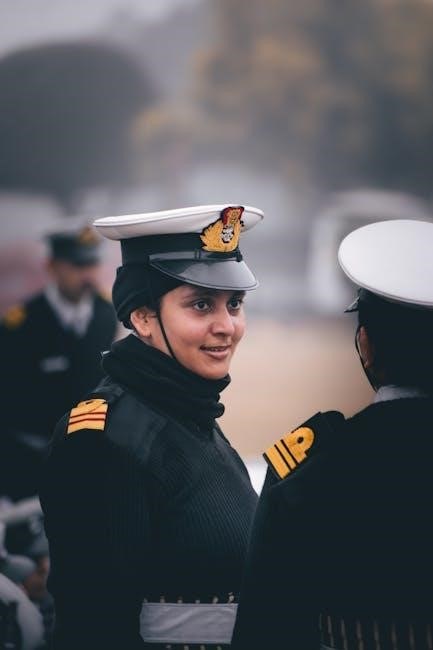
Uniform Regulations and Standards
Proper uniform wear reflects pride in self, unit, school, and country; maintaining cleanliness and a well-tailored appearance is essential for all cadets.
Proper Uniform Wear
Maintaining a professional appearance is paramount within the NJROTC program, and proper uniform wear demonstrates respect for the program, the unit, and oneself. Cadets are expected to keep their uniforms clean, pressed, and in good repair, ensuring a sharp and presentable look at all times.
The uniform isn’t merely clothing; it symbolizes dedication and commitment. Caps must be worn squarely on the head, with the edge level, and shoes should be consistently polished and well-maintained. Attention to detail is crucial, reflecting discipline and adherence to standards. Returning uniforms at semester’s end requires dry cleaning and ensuring serviceability for continued use.
Ultimately, the wearing of the NJROTC uniform should instill a sense of pride – pride in self, the unit, the school, the community, and the nation.

Grooming Standards
Personal appearance significantly contributes to the overall professionalism expected of NJROTC cadets. Grooming standards are designed to foster discipline, neatness, and a cohesive unit appearance. Maintaining these standards reflects positively on both the individual cadet and the NJROTC program as a whole.
Specific regulations address hair style, length, and neatness, ensuring a conservative and professional look. Facial hair is generally restricted, and any permitted styles must be neatly trimmed. Jewelry and visible body piercings are typically prohibited while in uniform, minimizing distractions and maintaining a standardized appearance.
Adherence to grooming standards is a direct reflection of a cadet’s commitment to the program and their respect for military tradition and discipline.
Uniform Inspection Criteria
Regular uniform inspections are crucial for ensuring cadets present a sharp, professional appearance and understand the importance of attention to detail. Inspections assess adherence to established regulations regarding uniform components, proper wear, and overall condition.
Inspectors evaluate the cleanliness, fit, and condition of each uniform item, including the cap, shoes, shirt, trousers, and accessories. Attention is given to proper placement of insignia, ribbons, and name tags. Any discrepancies, such as missing buttons, wrinkles, or improper fit, are noted.
These inspections aren’t punitive, but rather a learning opportunity, reinforcing standards and preparing cadets for future leadership roles where maintaining appearance is paramount.
Cap and Shoe Standards
The NJROTC cap must be worn squarely on the head, ensuring the bottom edge remains perfectly horizontal at all times. Proper positioning demonstrates respect and adherence to regulations. Any deviation from this standard will be noted during uniform inspections.
Shoes are equally important; they must be kept meticulously shined and maintained in good repair. Visible wear and tear, scuffs, or a lack of polish are unacceptable. Shoes should be appropriate for the uniform and conducive to marching and drill activities.
These standards reflect discipline and attention to detail, vital qualities for future naval officers.
Prohibited Items with Uniform
Cadets are strictly prohibited from displaying visible personal items while wearing the NJROTC uniform. This includes, but is not limited to, cell phones, pencils, pens, and watch chains. Such items detract from the uniform’s professional appearance and disciplined look.
Jewelry, combs, and similar personal effects are also forbidden from being worn exposed. These items can be considered distracting or potentially unsafe during drill and ceremonial activities. Maintaining a clean, uncluttered uniform appearance is paramount.
Adherence to these guidelines reinforces the importance of uniformity and respect for military standards;

Leadership and Chain of Command
This section outlines the military structure, leadership principles, and cadet responsibilities within the NJROTC program, fostering effective command and control.
Military Chain of Command
Understanding the military chain of command is fundamental to the NJROTC program’s structure and operational effectiveness. This hierarchical system defines clear lines of authority and responsibility, ensuring efficient communication and decision-making. Cadets learn to recognize their position within this framework, respecting the established order from the highest-ranking officer down to the newest recruit.
The chain of command isn’t merely about rank; it’s about accountability and the seamless flow of orders. Appendix 1 provides a detailed visual representation of this structure, illustrating the relationships between different levels of leadership. Cadets are expected to understand how to properly address superiors and follow lawful orders, contributing to a disciplined and organized unit. This knowledge is crucial for future leadership roles and success in any professional environment.
Leadership Principles
NJROTC emphasizes the development of strong leadership qualities in all cadets, fostering a commitment to integrity, honor, and service. Core principles include demonstrating initiative, taking responsibility for actions, and leading by example. Cadets are taught to inspire and motivate others, building cohesive teams capable of achieving common goals.
Effective leadership isn’t about issuing commands, but about understanding followership and fostering a positive environment. The curriculum incorporates Total Quality Leadership and Followership, highlighting the importance of both roles. Cadets learn to communicate effectively, resolve conflicts constructively, and make sound decisions under pressure. These skills are invaluable, preparing them for leadership positions within the unit and beyond, in their communities and future careers.
Roles and Responsibilities of Cadets
NJROTC cadets assume diverse roles, contributing to the unit’s success through dedicated participation and commitment. Responsibilities range from maintaining unit appearance and participating in drill and ceremonies to excelling in academic coursework and demonstrating leadership potential. Cadets are expected to uphold the core values of honor, courage, and commitment in all their endeavors.
Specific roles are assigned based on merit and aptitude, offering opportunities for growth and development. These include platoon leaders, company commanders, and staff positions focused on administration, logistics, and training. Cadets are accountable for fulfilling their assigned duties, demonstrating initiative, and supporting their peers. Active involvement fosters a sense of ownership and pride within the NJROTC unit, preparing them for future responsibilities.

Physical Fitness and Requirements
NJROTC emphasizes physical fitness, with a ribbon awarded for meeting specific standards. Cadets strive for improvement through regular exercise and adherence to program guidelines.
NJROTC Physical Fitness Ribbon
The NJROTC Physical Fitness Ribbon recognizes cadet achievement in maintaining a commendable level of physical fitness. This ribbon isn’t merely a decoration; it symbolizes dedication, discipline, and a commitment to personal well-being, core tenets of the NJROTC program. Earning this ribbon demonstrates a cadet’s ability to meet challenging physical standards, fostering a healthy lifestyle and building resilience.
It’s a visible representation of hard work and perseverance, encouraging others to prioritize their physical health. The ribbon serves as motivation for continued improvement and reinforces the importance of physical readiness for future leadership roles. Successful attainment showcases a cadet’s dedication to the NJROTC ideals of strength, endurance, and overall fitness.
Requirements for the Ribbon
To qualify for the NJROTC Physical Fitness Ribbon, cadets must successfully complete a prescribed series of events demonstrating strength and endurance. Specific requirements typically include a minimum number of push-ups, sit-ups, and a timed run – often a 1.5-mile course. Standards are often gender and age specific, ensuring a fair and challenging assessment for all participants.
Cadets must pass each event to earn the ribbon, showcasing a well-rounded level of physical capability. Consistent training and dedication are crucial for success. The ribbon isn’t automatically awarded; it’s earned through demonstrable effort and adherence to established physical fitness standards, promoting a culture of health and wellness within the NJROTC unit.

Drill and Ceremonies
NJROTC drill training instills discipline and teamwork through mastering basic movements and complex formations, essential for ceremonial events and unit cohesion.
Basic Drill Movements
Fundamental to NJROTC training are precise drill movements, establishing discipline, teamwork, and a smart appearance. Cadets learn essential commands and their corresponding actions, including attention, parade rest, hand salute, and falling-in. Proper execution of these movements requires consistent practice and attention to detail.
Key elements include maintaining correct posture, spacing, and timing. Cadets will master footwork such as marching in step, pivoting, and executing various turns. Emphasis is placed on responding instantly and accurately to verbal commands. These basic skills form the foundation for more complex drill routines and ceremonial formations, fostering a sense of unity and pride within the unit. Consistent repetition builds muscle memory and reinforces the importance of precision.
Formation Drills
Building upon basic movements, formation drills emphasize unit cohesion and synchronized execution. Cadets learn to transition smoothly between various formations, including column, line, and wedge, responding to commands with precision and speed. Maintaining proper dress and alignment within these formations is paramount, showcasing discipline and attention to detail.
Drills involve complex maneuvers like flanking, wheeling, and oblique marching, demanding coordination and communication. Cadets develop the ability to maintain formation integrity while navigating obstacles and executing changes in direction. These drills aren’t merely about aesthetics; they instill a sense of collective responsibility and the importance of following leadership. Successful formation drills require consistent practice and a commitment to teamwork, ultimately enhancing unit performance.
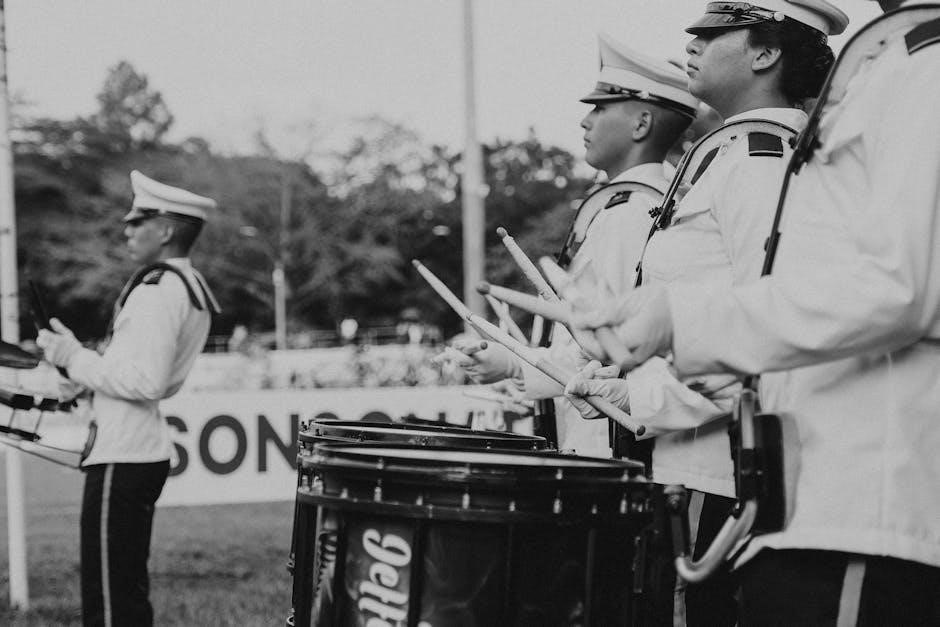
Safety Procedures
NJROTC prioritizes cadet well-being, outlining general safety guidelines and specific protocols for field trips, ensuring a secure learning environment for all participants.
General Safety Guidelines
Cadets must adhere to all established safety protocols during NJROTC activities, prioritizing personal responsibility and unit cohesion. This includes immediate reporting of any hazardous conditions or injuries to supervising personnel. Strict adherence to instructions from instructors and senior cadets is paramount, fostering a culture of proactive safety awareness.
Proper conduct and respect for surroundings are essential, avoiding reckless behavior or actions that could endanger themselves or others. Cadets are expected to understand and follow all applicable school and NJROTC regulations regarding safety. Maintaining situational awareness, recognizing potential risks, and utilizing appropriate personal protective equipment when required are crucial components of safe participation.
Emergency procedures must be known, including evacuation routes and contact information for assistance.
Field Trip Safety Protocols
NJROTC field trips demand heightened safety awareness, requiring cadets to follow a strict set of protocols. Prior to departure, a comprehensive briefing will cover the trip’s itinerary, potential hazards, and emergency procedures. Cadets must remain with their assigned groups at all times, adhering to the buddy system for mutual accountability.
Permission slips and emergency contact information are mandatory for participation, ensuring swift communication in unforeseen circumstances. Respect for the visited location and its personnel is paramount, avoiding any disruptive or disrespectful behavior.
Adherence to transportation rules, including seatbelt usage, is non-negotiable. Reporting any concerns or incidents to chaperones immediately is crucial for maintaining a safe environment throughout the duration of the field trip.
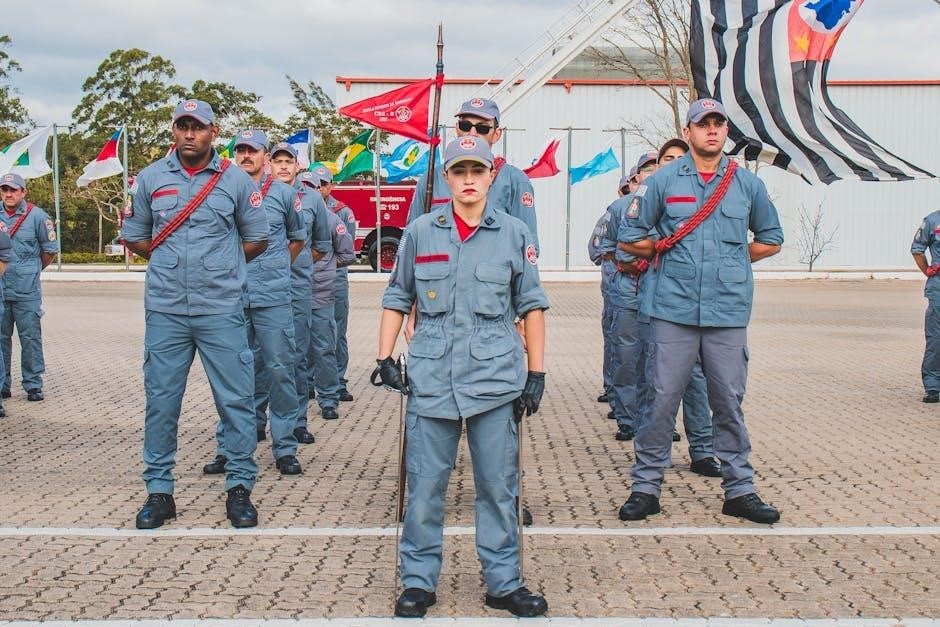
Communication and Orders
Effective communication and precise order execution are vital skills for NJROTC cadets, encompassing proper techniques for relaying messages and responding to sentry commands.
Orders to the Sentry
Cadets must learn standardized orders when addressing a sentry, ensuring clear and concise communication during security protocols. These commands, detailed within the Cadet Field Manual (CFM), establish authority and maintain post security. Common orders include “Halt!” to stop movement, and requests for identification or passwords.
Proper execution involves a firm tone, correct phrasing, and adherence to established procedures. Cadets are trained to respond appropriately to sentry challenges, demonstrating respect for the chain of command and understanding of security responsibilities. The appendix within the manual provides specific examples of authorized orders and expected responses, fostering a secure environment and reinforcing discipline.
Proper Communication Techniques
Effective communication is vital for NJROTC cadets, demanding clarity, conciseness, and respect within the military structure. Cadets learn to utilize proper radio procedures, deliver oral reports, and write clear, concise messages. Emphasis is placed on active listening and understanding orders before responding.
The Cadet Field Manual (CFM) stresses the importance of avoiding slang and using correct military terminology. Cadets practice delivering orders to the sentry, utilizing a firm and respectful tone. Mastering these techniques builds confidence, fosters teamwork, and ensures mission success. Proper communication minimizes misunderstandings and strengthens unit cohesion, essential for effective leadership.

Marine Corps Rates and Ranks
Understanding Marine Corps structure is crucial; cadets learn distinctions between rates and ranks, comparing them to Navy equivalents as detailed in the manual appendices.
Understanding Marine Corps Structure
The Marine Corps operates with a unique hierarchical system, distinct from the Navy’s, utilizing both rates and ranks to define a Marine’s position and authority. Rates signify a Marine’s occupational specialty and skill level, similar to Navy ratings, while ranks denote their leadership position within the chain of command. This dual system requires NJROTC cadets to grasp the nuances of both classifications.
Cadets will study how enlisted Marines progress through rates like Private, Corporal, Sergeant, and Staff Sergeant, gaining expertise in their chosen field. Simultaneously, they ascend through ranks, assuming increasing leadership responsibilities. Officer ranks mirror the Navy’s, from Second Lieutenant to General, but carry the distinct traditions and ethos of the Marine Corps. A thorough understanding of this structure, as outlined in Appendix 3 of the Cadet Field Manual, is essential for effective communication and recognizing authority.
Comparison to Navy Ranks
While NJROTC cadets primarily learn Navy ranks, understanding their correlation to Marine Corps equivalents is crucial for inter-service communication and recognizing the chain of command. The Cadet Field Manual (specifically Appendix 3) details these parallels, highlighting similarities and key distinctions. For example, a Marine Corps Sergeant generally corresponds to a Navy Petty Officer Second Class, both representing experienced enlisted personnel with supervisory roles.
Officer ranks exhibit a more direct alignment; a Marine Corps Captain is equivalent to a Navy Lieutenant. However, cultural differences and operational focuses exist. Cadets must appreciate that equivalent ranks don’t necessarily imply identical responsibilities or traditions. This comparative study fosters respect for both branches and prepares cadets for potential joint operations or interactions, ensuring effective teamwork and mutual understanding.