Sock Washing Instructions: A Comprehensive Guide (Updated 02/13/2026)
Today’s date is 02/13/2026. Ignoring sock laundry invites more than just foot odor; feet harbor a thousand microbial species, exceeding any body area!
Understanding Sock Materials
Choosing the right washing method hinges on sock composition. Different fibers react uniquely to water temperature, agitation, and drying techniques. Ignoring material specifics can lead to shrinkage, fading, or damage.
Cotton socks, breathable and common, generally tolerate warmer water and moderate machine washing. Wool socks, prized for warmth, require cooler temperatures and gentle cycles to prevent felting. Synthetic socks – polyester, nylon, and acrylic blends – are typically durable and can withstand warmer washes, though excessive heat should be avoided.
Understanding these distinctions is crucial for maintaining sock integrity and longevity. Always check the care label for manufacturer recommendations, as blends may require a modified approach. Proper material consideration ensures consistently clean and comfortable socks.
Cotton Sock Care
Cotton socks are generally resilient, but proper care extends their lifespan. Machine washing is suitable, utilizing warm water (around 40°C or 104°F) for optimal cleaning. Avoid excessively hot water, which can cause shrinkage. A normal wash cycle is typically sufficient for everyday cotton socks, though heavily soiled socks benefit from a pre-soak.
Detergent choice matters; a mild detergent is preferable to harsh chemicals that can degrade the fibers. Tumble drying on a medium setting is acceptable, but air drying is gentler and prevents shrinkage. Regular washing prevents odor buildup, as cotton readily absorbs moisture and bacteria.
Inspect cotton socks regularly for wear and tear, addressing small holes promptly to prevent further damage.
Wool Sock Washing
Wool socks require a delicate approach to maintain their natural properties. Hand washing is often recommended, especially for finer merino wool, but many modern washing machines have a “wool” or “delicate” cycle. Always use cold water to prevent felting and shrinkage – a critical step! Employ a detergent specifically formulated for wool, avoiding those containing enzymes or bleach.
Gently squeeze the socks to remove excess water; avoid wringing, which can distort the fibers. Lay flat to air dry, away from direct heat or sunlight. Never tumble dry wool socks, as the heat will cause irreversible shrinkage. Regular, gentle washing preserves wool’s natural odor-resistant qualities.
Synthetic Sock Maintenance (Polyester, Nylon, Acrylic)
Synthetic socks – polyester, nylon, and acrylic – are generally more durable and easier to care for than natural fibers. Machine washing is typically safe, utilizing warm or cold water depending on the color and level of soiling. A mild detergent is sufficient; avoid fabric softeners, as they can reduce the socks’ moisture-wicking properties.
These materials can usually tolerate moderate heat in the dryer, but a low-heat setting is recommended to prevent damage. Avoid high temperatures, which can cause melting or deformation. Synthetic socks retain their shape and color well, making them a practical choice for everyday wear and athletic activities.
Preparing Socks for Washing
Before tossing socks into the washing machine, proper preparation is crucial for optimal cleaning and longevity. Begin by sorting socks by color – whites, lights, and darks – to prevent dye transfer. Simultaneously, separate materials; wash cottons with cottons, synthetics with synthetics, and wools separately.
Address the age-old mystery of missing socks! The “Lost Sock Phenomenon” is real, so pairing before washing minimizes losses. Pre-treat any visible stains with a stain remover before washing, focusing on areas like heels and toes. Turning socks inside out protects colors and helps remove dead skin cells and bacteria.
Sorting Socks by Color and Material
Effective sock sorting is the cornerstone of successful laundry. Begin by meticulously separating socks into distinct color groups: whites, light colors, and darks. This prevents unwanted dye transfer, keeping your lighter socks pristine. Beyond color, material separation is equally vital.
Wash cotton socks exclusively with other cotton items, ensuring they receive appropriate agitation. Similarly, group synthetic fabrics – polyester, nylon, acrylic – together. Wool socks demand solitary washing to prevent felting and shrinkage. Careful sorting protects fibers and maintains sock quality, extending their lifespan considerably.
Dealing with Missing Socks – The Lost Sock Phenomenon
The mystery of the vanishing sock plagues households globally! Despite diligent efforts, socks routinely disappear during laundry cycles. Before declaring a sock truly lost, thoroughly inspect the washing machine’s interior – check the rubber gasket and around the agitator;
Behind the washer and dryer are prime hiding spots. Consider using mesh laundry bags for delicate socks, preventing them from getting trapped. Embrace the “orphan sock” concept: repurpose single socks for dusting or crafting. Accepting occasional losses is key; focus on preventing further disappearances through careful handling and containment.
Pre-Treating Stains on Socks
Act quickly to combat sock stains! Identifying the stain type is crucial for effective pre-treatment. For grass or mud, a paste of baking soda and water works wonders. Bloodstains respond well to cold water soaks, never hot, as heat sets the stain.
For sweat and odor, a diluted vinegar solution can neutralize smells and lift discoloration. Apply the chosen treatment directly to the stain, gently rubbing it in. Allow it to sit for 15-30 minutes before washing. Always test the solution on an inconspicuous area first to ensure colorfastness; Prompt action maximizes stain removal success!
Washing Machine Instructions
Utilizing your washing machine effectively is key! Always check sock care labels first. Generally, a cool or lukewarm water temperature is best to prevent fading and shrinkage. Avoid hot water unless dealing with heavily soiled athletic socks.
Detergent choice matters; use a mild detergent suitable for the sock’s material. Overusing detergent can leave residue, fostering microbial growth. Select a wash cycle appropriate for the fabric – delicate for wool or synthetics, normal for cotton, and heavy-duty for robust athletic socks. Turn socks inside out to protect colors and patterns during washing.

Water Temperature Guidelines
Selecting the correct water temperature is crucial for sock longevity and hygiene. Cold water (under 80°F / 27°C) is ideal for most socks, especially bright colors and delicate fabrics like synthetics, minimizing fading and shrinkage. Lukewarm water (80-105°F / 27-40°C) works well for lightly soiled cotton socks.
However, heavily soiled athletic socks benefit from warm water (105-120°F / 40-49°C) to effectively remove sweat and bacteria, addressing odor concerns. Avoid hot water (over 120°F / 49°C) as it can damage fibers, cause significant shrinkage, and set stains. Remember, warmer temperatures encourage microbial proliferation, so balance cleaning power with fabric care.
Detergent Selection for Socks
Choosing the right detergent is vital for clean, fresh socks and maintaining their integrity. For everyday washing, a mild, liquid detergent is generally best, minimizing residue buildup within sock fibers. Powder detergents can sometimes leave residue, especially in darker colors.
Athletic socks, prone to harboring bacteria, benefit from detergents with enzymes designed to break down organic matter and neutralize odors. Avoid detergents with brighteners for dark socks, as they can cause fading. Consider a hypoallergenic detergent if you have sensitive skin. Always follow detergent instructions and avoid overuse, as excess detergent can be difficult to rinse completely.
Wash Cycle Recommendations (Delicate, Normal, Heavy Duty)
Selecting the appropriate wash cycle protects sock fibers and ensures thorough cleaning. Delicate cycles are ideal for delicate materials like wool or silk, using cool water and gentle agitation. Normal cycles suit most cotton and synthetic blend socks, offering a balance between cleaning power and fabric care.
Heavy-duty cycles are best reserved for heavily soiled athletic socks, utilizing warmer water and more vigorous agitation to tackle stubborn odors and grime. Always check sock care labels for specific recommendations. Avoid hot water for most socks to prevent shrinking and fading. A shorter spin cycle minimizes wrinkling and stress on the fibers.
Hand Washing Socks
Hand washing offers a gentle alternative for delicate socks, preserving their shape and extending their lifespan. It’s particularly recommended for wool, silk, or socks with intricate details. Begin with a clean sink or basin filled with cool or lukewarm water. Add a mild detergent specifically designed for delicates, avoiding harsh chemicals.
Gently submerge the socks and swirl them around, allowing the detergent to penetrate the fibers. Avoid vigorous scrubbing or twisting, which can damage the material; Rinse thoroughly under cool, running water until all soap residue is removed. Gently squeeze out excess water – do not wring! Lay flat to dry, avoiding direct sunlight or heat.
When to Hand Wash Socks
Hand washing isn’t always necessary, but certain situations demand this gentler approach. Delicate materials like wool, silk, or cashmere absolutely benefit from hand washing to prevent shrinkage and maintain their luxurious texture. Socks with embellishments – beads, sequins, or intricate embroidery – are best washed by hand to avoid damage in a machine.
New socks, especially brightly colored ones, should be hand washed initially to prevent dye transfer. Socks with lingering odors that haven’t responded to machine washing may require the deeper clean of hand washing. Consider hand washing if you’re concerned about a sock’s fragility or want to extend its lifespan significantly.
Hand Washing Procedure – Step-by-Step
Begin with a clean sink or basin filled with cool or lukewarm water. Add a small amount of mild detergent, specifically designed for delicates, and gently swirl to distribute. Submerge your socks and gently agitate them for 3-5 minutes, avoiding harsh scrubbing or twisting. Allow the socks to soak for about 15-20 minutes to loosen dirt and odors.

Drain the soapy water and rinse the socks thoroughly under cool, running water until all detergent is removed. Gently squeeze out excess water – do not wring! – and roll the socks in a clean towel to absorb more moisture. Lay the socks flat on a clean, dry surface or hang them to air dry, avoiding direct sunlight or heat.
Drying Socks
Proper drying is crucial to maintain sock integrity and prevent odor buildup. Machine drying offers convenience, but requires careful temperature selection. Low heat is always recommended, especially for delicate materials like wool or synthetics, to avoid shrinkage and damage. Over-drying can also degrade elastic fibers.

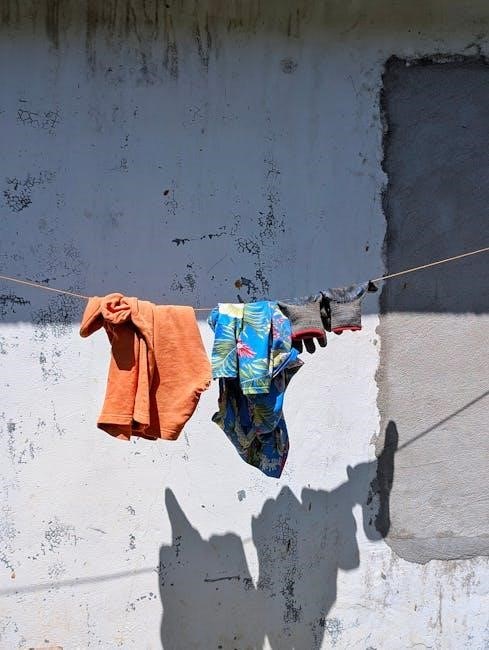
Air drying is a gentler alternative, preserving sock lifespan. Lay socks flat on a clean, dry surface, or hang them using sock clips, ensuring good air circulation. Avoid direct sunlight, which can fade colors and weaken fibers. Ensure socks are completely dry before storing to prevent mildew and unpleasant smells.
Machine Drying – Temperature Settings
Selecting the correct temperature when machine drying socks is paramount for longevity. High heat is generally discouraged, as it can cause significant shrinkage, particularly in cotton and wool blends. Opt for medium or low heat settings whenever possible, even for durable synthetics, to minimize fiber damage.
Delicate fabrics, like lace or fine wool, benefit from an air-dry or tumble-dry-low cycle. Always check the care label for specific instructions. Over-drying weakens elastic, leading to sagging and reduced support. Consider using dryer balls to improve air circulation and reduce drying time, further protecting your socks from excessive heat exposure.
Air Drying Socks – Best Practices
Air drying is the gentlest method for preserving sock fibers and elasticity. Avoid direct sunlight, which can fade colors and degrade materials. Lay socks flat on a clean, dry surface, or hang them using sock clips, ensuring good air circulation. This prevents mildew and odors, especially crucial given the microbial environment of feet.
Turn socks inside out to maximize airflow and speed up drying. Ensure adequate ventilation in the drying area; a well-ventilated room minimizes drying time. While slower than machine drying, air drying significantly extends sock lifespan and reduces energy consumption, benefiting both your wardrobe and the environment.
Specific Sock Types & Washing
Different sock types demand tailored care. Athletic socks, prone to odor due to intense foot activity and microbial growth, benefit from immediate washing and enzyme-based detergents. Compression socks require gentle handling; hand washing or a delicate cycle is best to maintain elasticity. Dress socks, often finer materials, should be washed inside out on a delicate cycle to preserve appearance.
Avoid harsh detergents and high heat for all sock types. Remember, feet host a diverse microbiome, making odor control vital. Proper washing preserves sock function and hygiene, extending their lifespan and protecting foot health.
Athletic Sock Washing – Odor Control
Athletic socks are breeding grounds for odor-causing bacteria, fueled by sweat and a warm, humid environment. Immediate washing is crucial. Pre-soaking in a solution of water and vinegar can neutralize initial smells. Utilize detergents with enzymes specifically designed to break down organic matter – these target the source of the odor, not just masking it.
Avoid fabric softeners, as they can coat fibers and trap bacteria. Consider adding a laundry sanitizer during the wash cycle. Thorough rinsing is essential to remove all detergent residue. Remember, feet host a vast microbiome, making athletic sock hygiene paramount for foot health and odor prevention.
Compression Sock Care
Compression socks require gentle handling to maintain their elasticity and therapeutic benefits. Hand washing is often recommended, especially for delicate compression levels. If using a washing machine, place socks inside a mesh laundry bag to prevent snagging or stretching. Use a mild detergent and avoid bleach or fabric softeners, which can damage the fibers.
Water temperature should be cool or lukewarm; hot water degrades compression. Air drying is preferred – avoid direct sunlight or heat. Never tumble dry compression socks, as this will significantly reduce their effectiveness. Remember, maintaining hygiene is vital given the microbial environment of feet, and proper care extends sock lifespan.
Dress Sock Washing – Maintaining Appearance
Preserving the look of dress socks demands a careful approach. Hand washing is ideal, particularly for finer materials like silk or merino wool, preventing shrinkage and color fading. If machine washing, utilize a mesh laundry bag and a delicate cycle with cool water. Mild detergents are crucial; avoid harsh chemicals that can dull the fabric.
Turn socks inside out before washing to minimize abrasion and pilling. Air drying is strongly recommended, laying flat to prevent stretching. Avoid direct sunlight, which can cause colors to fade. Given the microbial hotspot that feet represent, regular washing is essential, but gentle care ensures lasting elegance.
Addressing Common Sock Problems
Sock shrinkage is often caused by hot water and high heat drying; cool water and air drying are preventative measures. Stubborn odors, stemming from the microbial activity of your feet, require pre-soaking in vinegar or baking soda solutions before washing. Remember, feet host up to 1,000 microbial species!
Sock pilling, those annoying little balls of fiber, results from friction; turning socks inside out during washing helps. Regular rotation of sock usage extends lifespan. Addressing these issues promptly maintains sock quality and hygiene, combating the warm, humid environment ideal for fungal growth between toes. Consistent care is key.
Preventing Sock Shrinkage
Sock shrinkage is a common laundry lament, primarily caused by exposing natural fibers like cotton and wool to high temperatures. Utilizing cool or lukewarm water during the washing cycle is the first line of defense. Avoid hot water, as it aggressively agitates and constricts the fibers.
Furthermore, ditch the high-heat setting on your dryer! Opt for air drying whenever possible, as this minimizes stress on the sock’s structure. If machine drying is necessary, select a low-heat or delicate setting. Remember, a warm, humid environment encourages fiber breakdown, exacerbating shrinkage.
Removing Stubborn Odors from Socks
Stubborn sock odors stem from bacterial growth thriving in the warm, moist environment created by sweat. Addressing this requires more than a standard wash. Pre-soaking socks in a solution of cool water and baking soda for several hours – or even overnight – can neutralize smells.
Alternatively, adding a cup of white vinegar to the wash cycle acts as a natural deodorizer and disinfectant. For athletic socks, consider using a laundry detergent specifically formulated for odor control, targeting the microorganisms. Ensure thorough rinsing to remove all residue. Finally, sunlight is a natural deodorizer; air-drying socks outdoors can further eliminate lingering smells.
Dealing with Sock Pilling
Sock pilling, those unsightly little balls of fiber, occurs due to friction during washing and wear. While inevitable, you can minimize it. Washing socks inside a mesh laundry bag protects them from excessive abrasion within the machine. Turning socks inside out before washing reduces surface friction, preserving the outer fibers.
Avoid washing socks with items containing hooks or zippers, as these contribute to pilling. Gentle wash cycles and cooler water temperatures are also kinder to sock fibers. While you can’t entirely eliminate pilling, a fabric shaver can carefully remove existing pills, restoring a smoother appearance and extending sock lifespan.
The Microbiology of Dirty Socks
Dirty socks are a thriving ecosystem! Our feet host an astonishing diversity of microorganisms – up to 1,000 different species per person – more than any other part of the body. This isn’t necessarily harmful; many are beneficial. However, the warm, moist environment created inside socks and shoes is ideal for microbial growth, including bacteria and fungi;
Sweat glands between the toes contribute significantly to this moisture. Trapped humidity fosters fungal development, potentially leading to athlete’s foot or other skin conditions. Regular sock washing isn’t just about odor control; it’s about managing this microbial population and maintaining foot hygiene, preventing potential infections.
The Microbial Hotspot: Your Feet
Your feet are uniquely positioned as a microbial haven. They boast the greatest diversity of fungal species compared to any other area on the human body, alongside a vast array of bacterial inhabitants – potentially reaching 1,000 different species per person! This isn’t simply a matter of uncleanliness; it’s a natural consequence of the foot’s anatomy and function.
Packed with sweat glands, especially between the toes, feet create a consistently warm and humid microclimate. This environment, when enclosed in socks and shoes, becomes a perfect incubator for microbial life. Understanding this hotspot is crucial for appreciating why diligent sock hygiene is paramount for overall health.
Fungal Growth and Sock Hygiene
The warm, moist environment within socks and shoes fosters ideal conditions for fungal proliferation. This isn’t merely an aesthetic concern; fungal growth contributes significantly to foot odor and can lead to conditions like athlete’s foot. Regularly washing socks is therefore a critical step in disrupting this cycle and maintaining foot health.
Fungi thrive on dead skin cells, readily available within socks after a day’s wear. Proper sock hygiene, including frequent washing at appropriate temperatures, helps eliminate these food sources and reduces fungal populations. Ignoring this can lead to persistent odor and potential infections, emphasizing the importance of consistent laundry habits.
Extending Sock Lifespan
Prolonging the life of your socks saves money and reduces textile waste. Rotating sock usage is paramount; avoid wearing the same pair consecutively, allowing fibers to recover their shape and breathability. This simple practice significantly reduces wear and tear.

Proper storage also plays a vital role. Avoid tightly cramming socks into drawers, as this can distort their shape and damage elastic. Instead, gently fold or roll them, storing them loosely to maintain their integrity. Consistent, mindful care, combined with appropriate washing techniques, ensures your socks remain comfortable and durable for longer.
Rotating Sock Usage
Consistent rotation is key to maximizing sock lifespan and maintaining hygiene. Avoid repeatedly wearing the same pair of socks on consecutive days. Allowing socks to rest between wearings allows the fibers to fully recover their shape and elasticity, preventing premature breakdown.
This practice also minimizes odor buildup, as it gives socks time to completely dry and air out, reducing the breeding ground for bacteria and fungi. A larger sock collection facilitates easier rotation, ensuring you always have fresh, clean pairs available. Prioritizing rotation is a simple yet effective strategy for sock longevity.
Proper Sock Storage
Effective sock storage protects fibers and prevents odor retention. Avoid tightly cramming socks into drawers, as this can distort their shape and compress the elastic. Instead, opt for a more organized approach, such as rolling or folding socks neatly.
Dedicated sock organizers or dividers can maintain separation and prevent pairing issues. Ensure socks are completely dry before storing to prevent mildew and bacterial growth, especially considering feet host diverse microorganisms. Breathable storage containers, like cotton bags, promote airflow. Proper storage extends sock life and keeps them fresh.