Manual Retractable Patio Screens: A Comprehensive Guide (Updated December 21, 2025)
Retractable patio screens offer versatile bug and sun protection, enhancing outdoor living spaces with adjustable privacy and elegance – a popular choice for 2025!
What are Manual Retractable Patio Screens?
Manual retractable patio screens are versatile coverings designed to enhance outdoor living spaces․ Unlike fixed screens, these systems roll away neatly when not needed, offering unobstructed views and fresh air․ They consist of a screen mesh housed within a cassette or housing, with side tracks guiding the screen’s movement․
Operation is simple: typically, a pull-down or slide mechanism allows users to extend or retract the screen manually․ This contrasts with motorized versions, which utilize an electric motor․ These screens provide protection from insects, harsh sunlight, and even light wind, extending the usability of patios, decks, and porches․ They are a popular choice for homeowners seeking a balance between functionality, affordability, and aesthetic appeal in 2025․
Benefits of Using Manual Retractable Screens
Manual retractable screens offer numerous advantages for homeowners․ They provide effective insect control, allowing you to enjoy outdoor spaces without pesky bugs․ They also offer protection from the sun’s harmful UV rays and reduce glare, creating a more comfortable environment․
Unlike permanent screens, retractable models offer flexibility – enjoy open views when desired and instant privacy or shade when needed․ They enhance outdoor living, extending the usability of patios and decks․ Manual operation eliminates the need for electrical outlets and complex wiring, offering a cost-effective solution․ Furthermore, they add a touch of elegance and can increase property value, making them a smart investment for 2025․
Key Differences: Manual vs․ Motorized Retractable Screens
Manual retractable screens are operated by hand, typically using a pull-down or side-pull mechanism, offering a budget-friendly option․ Motorized screens, conversely, utilize an electric motor controlled by a switch, remote, or smart home system, providing convenience and ease of use․
The primary difference lies in cost; motorized screens are significantly more expensive, ranging from $3,000 to $6,000 installed, while manual options are considerably cheaper․ Motorized screens offer automated operation and integration with smart home technology, while manual screens require physical effort․ Installation is simpler for manual screens, lacking electrical requirements․ Choosing between the two depends on budget, convenience preferences, and desired features for your 2025 patio upgrade․
Cost Considerations for Manual Retractable Patio Screens
Understanding costs involves material choices, patio size, and labor; expect variations based on screen mesh, frame material, and installation complexity in 2025․
Factors Influencing the Cost

Several key factors significantly impact the overall cost of manual retractable patio screens․ Patio size is paramount; larger openings naturally require more materials, increasing expenses․ Material selection plays a crucial role, with aluminum frames and higher-grade screen mesh commanding a premium price compared to vinyl or fiberglass options․
Screen type – side, bottom, or top retractable – can also influence cost, with more complex designs potentially being more expensive․ Installation complexity is another consideration; challenging installations requiring custom modifications will add to labor costs․ Finally, additional features like color choices or specialized hardware can contribute to the final price․ Considering these elements will help you budget accurately for your project in 2025․
Average Cost Range (2025)
In 2025, homeowners can expect to invest between $5․86 and $9․28 per square foot for a basic manual retractable patio screen installation․ This translates to a typical range of $800 to $3,000+ for a standard-sized patio․ However, this is a broad estimate, and actual costs can vary widely․
Smaller, simpler screens may fall on the lower end of the spectrum, while larger, more customized installations with premium materials will likely exceed $3,000․ Motorized options, while not the focus here, generally start around $3,000 and can reach $6,000 or more․ Obtaining multiple quotes from local installers is crucial for accurate pricing․
Cost Breakdown: Materials
Material costs significantly impact the overall price of manual retractable patio screens․ Screen mesh options range from affordable polyester and fiberglass (around $2-$5 per square foot) to more durable, premium aluminum ($6-$10+ per square foot)․ The frame material also plays a key role․
Aluminum frames are popular for their strength and corrosion resistance, typically adding $5-$8 per square foot to the cost․ Vinyl frames offer a more budget-friendly alternative at $3-$6 per square foot, though they may be less durable․ Hardware, like rollers and housings, contributes another $100-$300 to the material expenses․
Screen Mesh Materials (Polyester, Fiberglass, Aluminum)
Polyester screen mesh is a cost-effective option, offering good visibility and basic insect protection, typically priced around $2-$3 per square foot; Fiberglass mesh provides enhanced durability and resistance to tearing, costing slightly more at $3-$5 per square foot․ It’s a popular all-around choice․
For superior strength and longevity, aluminum screen mesh is the premium selection, ranging from $6-$10+ per square foot․ Aluminum resists damage from pets and weather, offering long-term value․ Mesh tightness and coating also affect price; finer meshes and UV-resistant coatings increase the cost but improve performance․
Frame Materials (Aluminum, Vinyl)
Aluminum frames are the industry standard for manual retractable screens, prized for their strength, lightweight nature, and resistance to rust and corrosion․ Expect to pay a bit more upfront, typically ranging from $8-$15 per linear foot, but they offer long-term durability․ Powder-coated finishes add to the cost but enhance weather protection and aesthetics․
Vinyl frames present a more budget-friendly alternative, costing around $5-$10 per linear foot․ While less robust than aluminum, vinyl is low-maintenance and doesn’t require painting․ However, vinyl can become brittle in extreme temperatures and may not support larger screen sizes as effectively․
Cost Breakdown: Labor
Labor costs for installing manual retractable patio screens can significantly impact the overall project expense․ Professional installation typically ranges from $100 to $300 per screen, depending on complexity and location․ Factors influencing labor include the screen type (side, bottom, or top retractable), patio accessibility, and any necessary modifications to the existing structure․
DIY installation can save on labor, but requires a degree of skill and precision․ Incorrect installation can lead to operational issues or damage․ Expect to spend 4-8 hours on a standard installation․ Considering the potential for errors, many homeowners opt for professional help, ensuring a secure and functional screen system․
Types of Manual Retractable Patio Screens
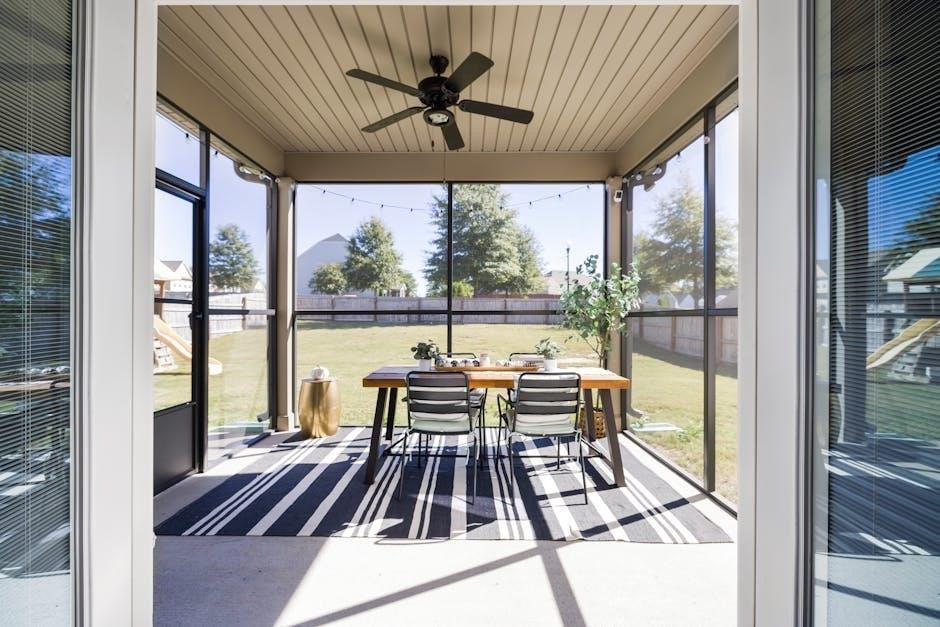
Manual retractable screens come in side, bottom, and top configurations, offering flexible solutions for various patio layouts and desired levels of coverage․
Side Retractable Screens
Side retractable screens are a popular and versatile choice for homeowners seeking to enclose a patio or porch opening․ These screens operate by rolling up and down vertically within side channels or tracks, providing a sleek and streamlined appearance․ They are particularly effective at blocking insects and offering privacy without obstructing the view entirely when retracted․
Installation typically involves mounting the side channels to the existing structure, ensuring a secure and stable framework․ The screen material itself is often made of durable polyester or fiberglass mesh, designed to withstand outdoor elements․ Manual operation is achieved through a pull-down or spring-loaded mechanism, making them user-friendly and accessible․ They are ideal for doorways, wide openings, and areas where a full enclosure isn’t always desired, offering a balance of protection and open-air enjoyment․
Bottom Retractable Screens
Bottom retractable screens represent a unique solution for patios and doorways, offering an unobtrusive barrier against insects and debris․ Unlike side screens, these operate by rolling into a housing located at the base of the opening, remaining largely hidden when not in use․ This design preserves the aesthetic of the patio, minimizing visual impact․
The mechanism typically involves a spring-loaded system or a manual pull-down feature, allowing for easy operation․ They are particularly well-suited for areas prone to wind, as the bottom-up design provides greater stability․ Common materials include durable mesh fabrics like polyester or fiberglass, encased within an aluminum or vinyl housing․ Installation requires precise measurements and secure mounting to ensure smooth retraction and effective insect protection, creating a comfortable outdoor space․
Top Retractable Screens

Top retractable screens offer a sleek and modern solution for enclosing patios, porches, and doorways, providing insect protection and shade․ These screens roll down from a housing mounted above the opening, disappearing completely when retracted, preserving the view and architectural lines․ They are an excellent choice for maintaining aesthetic appeal while enjoying outdoor spaces․
Operation is typically manual, utilizing a simple pull-down or lift-and-lock mechanism; Durable mesh materials, such as fiberglass or polyester, are commonly used, housed within aluminum or vinyl casings․ Proper installation is crucial, ensuring the housing is securely mounted and the screen operates smoothly․ These screens are ideal for areas where a clear, unobstructed view is desired, offering both functionality and style for enhanced outdoor living․

Installation Process: A Step-by-Step Overview
Installing manual retractable screens involves careful measurements, secure mounting of the housing, precise screen alignment, and functional testing for smooth operation and lasting enjoyment․
DIY Installation vs․ Professional Installation
Deciding between DIY and professional installation for manual retractable patio screens depends on your skillset and comfort level․ DIY installation can save on labor costs, potentially ranging from several hundred to over a thousand dollars, but requires precision and familiarity with tools․
Challenges include accurate measurements, ensuring proper anchoring to the structure, and achieving smooth screen retraction․ Incorrect installation can lead to operational issues or even damage the screen or your property․
Professional installation guarantees a correct and secure setup, often including a warranty on labor․ While more expensive upfront, it provides peace of mind and avoids potential costly errors․ Consider your time constraints and confidence in tackling a potentially complex project before making a decision․
Tools Required for Installation
Successfully installing manual retractable patio screens necessitates a specific toolkit․ Essential tools include a measuring tape for accurate dimensions, a drill with various bits for pilot holes and screw fastening, and a level to ensure a perfectly aligned installation․
Additional necessities are a screwdriver set (both Phillips and flathead), a stud finder to locate wall studs for secure mounting, and a utility knife for trimming screen material if needed․ Safety glasses are crucial for eye protection during drilling and cutting․
Depending on the mounting surface, you might also require masonry drill bits and anchors․ A rubber mallet can assist with gently tapping components into place․ Having these tools prepared beforehand streamlines the installation process․
Common Installation Challenges
Installing manual retractable patio screens can present several hurdles․ Uneven mounting surfaces frequently require shimming to ensure smooth screen operation and prevent binding․ Locating wall studs accurately is vital; missing them compromises the screen’s stability and load-bearing capacity․
Dealing with older homes often reveals inconsistent wall construction, demanding creative anchoring solutions․ Precise measurements are critical – even slight errors can lead to ill-fitting screens or operational issues․ Maintaining consistent tension during installation is also challenging․
Finally, navigating the screen’s retraction mechanism and ensuring proper alignment can be tricky, potentially requiring adjustments post-installation․ Patience and careful attention to detail are key to overcoming these common challenges․

Maintenance and Care
Regular cleaning, gentle winter storage, and prompt repair of minor issues will significantly extend the life and optimal performance of your retractable screen․
Cleaning Procedures
Maintaining a clean screen is crucial for longevity and functionality․ Begin by gently brushing away loose dirt and debris with a soft-bristled brush or vacuum attachment․ For more stubborn grime, mix a mild solution of warm water and dish soap – avoid harsh chemicals or abrasive cleaners, as these can damage the screen mesh or frame․
Apply the soapy water with a soft cloth or sponge, working in gentle circular motions․ Rinse thoroughly with clean water, ensuring no soap residue remains․ Allow the screen to air dry completely before retracting it․ For aluminum frames, a stainless steel cleaner can restore shine․ Regular cleaning, ideally every few months, prevents buildup and ensures smooth operation, preserving your investment for years to come․
Winter Storage Tips
Preparing your manual retractable screen for winter is vital to prevent damage from harsh weather․ Before the first freeze, fully retract the screen and thoroughly clean it, removing any dirt or debris․ Consider removing the screen cassette entirely, especially in regions with heavy snow or ice, storing it in a dry, sheltered location like a garage or shed․
If leaving the screen installed, periodically check for snow accumulation and gently remove it to avoid excessive weight․ Avoid using salt-based de-icers near the screen, as they can corrode the frame․ Inspect the screen mechanism for any signs of wear and tear, addressing issues before spring․ Proper winterization extends the screen’s lifespan and ensures hassle-free operation next season․
Repairing Common Issues
Addressing minor issues promptly can save you significant costs with your manual retractable screen․ A common problem is the screen sticking or jamming; often, this is due to debris in the tracks, easily resolved with a thorough cleaning․ If the retraction mechanism feels stiff, lubricating the moving parts with a silicone-based spray can improve functionality․
For torn screen mesh, patching kits are available for DIY repairs, or professional re-screening is an option․ Inspect the guide rails regularly for bends or damage, straightening them carefully․ If cords fray or break, replacement is necessary․ Always prioritize safety when making repairs, and consult a professional for complex mechanical issues․
Choosing the Right Screen for Your Patio
Selecting the ideal screen involves precise patio measurements, climate considerations, and aligning the screen’s style with your home’s aesthetics for optimal enjoyment․
Measuring Your Patio Space
Accurate measurements are crucial for a successful manual retractable patio screen installation․ Begin by measuring the width of the opening you intend to cover, ensuring you extend the measurement slightly beyond the frame on both sides – typically adding a few inches for overlap․
Next, determine the height․ Measure from the top of the opening to the desired bottom edge of the screen․ For side retractable screens, precise width is paramount․ Bottom retractable screens require accurate height and width measurements․
Consider any obstructions like lights or railings․ Note these dimensions carefully, as they will influence the screen’s size and placement․ Double-check all measurements before ordering to avoid costly errors and ensure a perfect fit, maximizing the screen’s functionality and aesthetic appeal․
Considering Your Climate
Your local climate significantly impacts the ideal manual retractable patio screen choice․ In windy areas, prioritize screens with robust housing and secure locking mechanisms to prevent damage or unwanted retraction․ Coastal regions demand corrosion-resistant materials like aluminum or vinyl to withstand salt air․
For sunny climates, select screen mesh that effectively blocks UV rays, protecting both you and your furniture․ If you experience heavy rainfall, ensure the screen material is water-resistant or quick-drying to prevent mildew․
Consider seasonal changes; a screen suitable for summer might not suffice during harsh winters․ Proper climate consideration extends the screen’s lifespan and ensures optimal performance year-round․
Style and Aesthetics
Manual retractable patio screens aren’t just functional; they contribute to your outdoor aesthetic․ Frame colors should complement your home’s exterior and existing patio furniture․ Aluminum frames offer a sleek, modern look, while vinyl provides a softer, more traditional appearance․
Screen mesh color also plays a role․ Neutral tones like gray or black offer unobstructed views and blend seamlessly with the surroundings․ Consider the screen’s housing when retracted – a visually appealing design enhances the overall look․
Think about how the screen integrates with your patio’s style․ A minimalist design suits contemporary spaces, while ornate details complement classic architecture․ Prioritize a screen that enhances, not detracts from, your outdoor living area․
Where to Buy Manual Retractable Patio Screens
Find manual retractable screens at online retailers, local home improvement stores, and specialty screen companies offering diverse options and price points for 2025․
Online Retailers
Numerous online retailers specialize in home improvement and outdoor living, offering a wide selection of manual retractable patio screens․ These platforms often provide competitive pricing, detailed product descriptions, and customer reviews to aid in your decision-making process․
Major e-commerce sites like Amazon and Wayfair carry various brands and styles, allowing for easy comparison shopping․ Dedicated screen companies also maintain online stores, frequently offering customization options and expert advice․
When purchasing online, carefully review the screen’s dimensions, material specifications, and warranty information․ Pay attention to shipping costs and return policies, ensuring a hassle-free experience․ Comparing prices across multiple retailers is crucial to securing the best deal for your manual retractable screen in 2025․
Local Home Improvement Stores
Local home improvement stores, such as Home Depot and Lowe’s, represent convenient options for purchasing manual retractable patio screens․ These brick-and-mortar locations allow you to physically inspect the products, assess their quality, and discuss your needs with knowledgeable staff․
In-store assistance can be invaluable when determining the appropriate screen size and type for your patio space․ Many stores offer installation services, providing a turnkey solution for homeowners․
While prices may be slightly higher than online retailers, the benefits of immediate availability, expert guidance, and potential installation support often outweigh the cost difference․ Checking for seasonal sales and promotions can help you secure a competitive price on your manual retractable screen in 2025․
Specialty Screen Companies
Specialty screen companies often provide a more tailored experience when purchasing manual retractable patio screens․ These businesses frequently focus exclusively on screening solutions, offering a wider range of customization options and higher-end materials than general retailers․
Expect expert consultations to help you design a screen system perfectly suited to your patio’s dimensions and aesthetic preferences․ They can handle complex installations and offer unique features, like custom mesh colors or specialized frame finishes․
While typically more expensive than big-box stores or online options, the superior quality, personalized service, and precise fit offered by specialty companies can justify the investment, especially for discerning homeowners in 2025․
Future Trends in Retractable Screen Technology
Innovations in 2025 include smart home integration, sustainable material usage, and increased durability for retractable screens, enhancing convenience and longevity․
Smart Home Integration
While currently focused on manual operation, the future sees exciting possibilities for integrating manual retractable screens with smart home systems․ Imagine controlling your screens via voice commands through devices like Amazon Alexa or Google Assistant! Sensors could automatically retract screens based on weather conditions – closing during high winds or intense sunlight, and opening during pleasant temperatures․
This integration wouldn’t necessarily require fully motorized systems; smart add-ons could automate the manual retraction process․ Furthermore, app-based control could offer scheduled operation and remote access, providing convenience and enhanced security․ Although primarily a trend for motorized screens presently, advancements may bring affordability to manual systems, bridging the gap and offering a connected outdoor experience for all homeowners in the coming years․
Sustainable Materials
Growing environmental awareness is driving demand for eco-friendly options in retractable screen manufacturing․ Manufacturers are increasingly exploring sustainable materials for both screen mesh and frame construction․ Recycled aluminum is becoming a popular choice for frames, reducing the need for virgin material production and minimizing waste․
For screen mesh, innovative materials like recycled polyester yarns are emerging as viable alternatives to traditional fiberglass or virgin polyester․ Bio-based plastics, derived from renewable resources, are also being investigated for certain components․ These materials reduce the carbon footprint and promote a circular economy․ Consumers seeking environmentally responsible choices can now find manual retractable screens aligning with their values, contributing to a greener future for outdoor living․
Enhanced Durability
Recent advancements focus on increasing the longevity and resilience of manual retractable patio screens․ Manufacturers are utilizing higher-grade aluminum alloys for frames, providing superior resistance to corrosion and bending․ Improved powder coating techniques enhance weather protection, preventing fading and chipping from sun exposure․
Screen mesh materials are also evolving, with tighter weaves and reinforced fibers offering greater tear resistance and puncture protection․ Furthermore, refined roller mechanisms and guide systems minimize wear and tear, ensuring smoother operation over extended periods․ These enhancements translate to reduced maintenance, fewer replacements, and a longer-lasting investment for homeowners seeking reliable outdoor screening solutions․