Ulcers, painful sores within the stomach lining, significantly benefit from mindful dietary choices, as a healthy approach supports healing and manages symptoms effectively.
A balanced diet, rich in essential nutrients, is foundational for overall well-being, protecting against malnutrition and reducing risks associated with chronic diseases.
Unhealthy dietary habits represent a major global health concern, contributing to a substantial burden of illness; therefore, informed food selections are crucial.
WHO emphasizes that a nutritious diet is vital for optimal growth, development, and disease prevention, highlighting the importance of varied food consumption.
Early adoption of healthy eating practices, like breastfeeding, fosters healthy growth and cognitive development, establishing a strong foundation for lifelong health.
Individualized nutrition, considering personal preferences and cultural contexts, is key to sustainable dietary changes and improved health outcomes.
What are Stomach Ulcers?
Stomach ulcers, also known as gastric ulcers, are painful sores that develop in the lining of the stomach, duodenum (the first part of the small intestine), or esophagus. These occur when the protective mucus layer that shields these organs from digestive acids is reduced, allowing acid to damage the tissue.
Dr. Betty Apica, a physician, explains that ulcers arise from various factors, including infection with the bacterium Helicobacter pylori, long-term use of nonsteroidal anti-inflammatory drugs (NSAIDs), and, less commonly, stress or genetics.
Symptoms can range from burning stomach pain, especially between meals or at night, to bloating, nausea, and vomiting. Severe cases may lead to bleeding, causing dark stools or vomiting blood, requiring immediate medical attention.
While not directly caused by diet, what you eat can significantly impact ulcer symptoms and healing. Certain foods can exacerbate pain, while others can promote recovery. Understanding this connection is crucial for effective management.
A healthy diet, alongside medical treatment, plays a supportive role in reducing inflammation and protecting the stomach lining, contributing to overall well-being.
The Role of Diet in Ulcer Management
Diet isn’t a cure for stomach ulcers, but it plays a vital supportive role in managing symptoms and promoting healing, working in conjunction with prescribed medical treatments. A well-planned diet can reduce irritation, minimize acid production, and provide essential nutrients for tissue repair.
Unhealthy dietary patterns contribute to overall inflammation, potentially worsening ulcer symptoms. Conversely, a diet rich in fruits, vegetables, and lean proteins can offer protective benefits. WHO emphasizes the importance of a varied diet for optimal health.
Focusing on easily digestible foods and avoiding those that trigger discomfort is key. Smaller, more frequent meals can also help neutralize stomach acid and prevent irritation. Hydration is crucial for maintaining the protective mucus lining.
Moderate fat intake is recommended, as excessive fat can stimulate acid production. Prioritizing anti-inflammatory foods and probiotics can further support gut health and ulcer recovery.
Individualized dietary approaches are essential, considering personal sensitivities and preferences, ensuring long-term adherence and improved outcomes.
Foods to Include in an Ulcer Diet
Prioritize probiotic-rich options, fiber-filled produce, vitamin C sources, lean proteins, and flavonoid-containing foods to nourish the body and support ulcer healing.
These choices bolster gut health, reduce inflammation, and provide essential nutrients for tissue repair, promoting overall well-being.
Probiotic-Rich Foods
Probiotics, beneficial bacteria, play a crucial role in maintaining a healthy gut microbiome, which is increasingly recognized for its impact on overall health and ulcer management.
Foods like yogurt (with live and active cultures), kefir, sauerkraut, kimchi, and kombucha introduce these helpful bacteria into the digestive system, potentially aiding in healing and reducing inflammation.
A balanced gut microbiome can help combat Helicobacter pylori, a common bacterium associated with ulcer development, and improve the effectiveness of antibiotic treatments.
Regular consumption of probiotic-rich foods can strengthen the gut lining, enhancing its protective barrier against stomach acid and irritants.
However, it’s important to choose unsweetened varieties of yogurt and kefir to avoid exacerbating inflammation with added sugars.
Fermented foods offer a natural and delicious way to support gut health and potentially alleviate ulcer symptoms, contributing to a more comfortable digestive experience.
Consider incorporating a small serving of these foods daily as part of a comprehensive ulcer diet.
Fiber-Rich Foods
Fiber, an essential component of a healthy diet, offers significant benefits for individuals managing stomach ulcers by promoting digestive regularity and reducing acid reflux.
Foods abundant in fiber, such as whole grains (oats, brown rice), fruits (apples, pears, bananas), and vegetables (broccoli, carrots, spinach), help neutralize stomach acid and protect the stomach lining.
Soluble fiber, found in oats and fruits, forms a gel-like substance that slows digestion, preventing rapid spikes in stomach acid, while insoluble fiber adds bulk to stool.
A diet rich in fiber can also contribute to weight management, reducing pressure on the abdomen and minimizing ulcer symptoms.
However, it’s crucial to increase fiber intake gradually to avoid bloating and gas, and to drink plenty of water to facilitate digestion.
Prioritizing fiber-rich foods supports a healthy digestive system and can be a valuable part of an ulcer management plan.
Aim for 25-30 grams of fiber daily through a variety of plant-based sources.
Foods High in Vitamin C
Vitamin C, a potent antioxidant, plays a crucial role in healing and protecting the stomach lining from damage caused by Helicobacter pylori, a common cause of ulcers.
Foods brimming with Vitamin C, such as citrus fruits (oranges, lemons, grapefruits), berries (strawberries, blueberries), peppers (bell peppers, chili peppers), and dark leafy greens (kale, spinach), bolster the immune system and aid tissue repair.
This essential vitamin stimulates collagen production, vital for strengthening the stomach lining and accelerating ulcer healing.
While citrus fruits are beneficial, some individuals may find them irritating due to their acidity; therefore, moderation is key.
Bell peppers offer a milder source of Vitamin C and are generally well-tolerated.
Incorporating Vitamin C-rich foods into your diet can significantly contribute to ulcer management and overall digestive health.
Aim for at least 75-90mg of Vitamin C daily through diverse food sources.
Lean Protein Sources
Protein is fundamental for tissue repair and rebuilding the damaged stomach lining associated with ulcers. However, choosing the right protein sources is paramount to avoid exacerbating symptoms.
Lean protein options, such as skinless poultry (chicken, turkey), fish (salmon, tuna, cod), beans, lentils, and tofu, are easily digestible and less likely to stimulate acid production.
Avoid fatty cuts of meat and processed meats, as they can delay healing and worsen inflammation.
Fish, particularly fatty fish like salmon, provides omega-3 fatty acids, known for their anti-inflammatory properties, further aiding ulcer recovery.
Plant-based proteins, like beans and lentils, are excellent sources of fiber, promoting digestive health and regularity.
Ensure adequate protein intake – around 0.8 grams per kilogram of body weight – to support tissue regeneration and overall well-being during ulcer treatment.
Prioritize gentle cooking methods like poaching, steaming, or baking to maintain protein digestibility.
Foods Containing Flavonoids
Flavonoids are powerful antioxidants found in numerous plant-based foods, offering significant benefits for individuals managing stomach ulcers. These compounds possess anti-inflammatory and protective qualities.
Excellent sources include berries (blueberries, strawberries, raspberries), apples, cherries, onions, kale, broccoli, and green tea. Incorporating these into your diet can help soothe the stomach lining.
Flavonoids help combat oxidative stress, a key contributor to ulcer development and hinder healing. They also strengthen blood vessels, reducing the risk of bleeding.
Green tea, specifically, contains catechins, a type of flavonoid with potent antibacterial properties, potentially inhibiting Helicobacter pylori, a common ulcer cause.
Brightly colored fruits and vegetables generally contain higher concentrations of flavonoids, making them a visually appealing and health-promoting addition to meals.
Regular consumption of flavonoid-rich foods supports a healthier digestive system and accelerates ulcer recovery, complementing other dietary strategies.
Aim for variety to benefit from the diverse range of flavonoids available in plant-based foods.

Foods to Avoid in an Ulcer Diet
Certain foods exacerbate ulcer symptoms, hindering healing; therefore, limiting spicy, acidic, and fatty options is crucial for effective management and symptom relief.
Avoiding these triggers—along with caffeine and alcohol—promotes a calmer digestive environment, allowing the stomach lining to recover and regain its protective functions.
Spicy Foods

Spicy foods are notorious for aggravating stomach ulcers, causing significant discomfort and potentially delaying the healing process. The capsaicin, a chemical compound found in chili peppers and other spicy seasonings, stimulates acid production in the stomach.
This increased acidity can erode the protective lining of the stomach and duodenum, intensifying pain and inflammation associated with existing ulcers. While individual tolerance varies, most individuals with ulcers find that avoiding spicy foods provides substantial relief.
Common culprits include chili powder, cayenne pepper, hot sauces, and dishes heavily seasoned with spices. It’s not just the heat itself, but the irritation it causes to the already sensitive stomach lining that poses a problem.
Even seemingly mild spices can trigger symptoms in some individuals, so careful observation of personal reactions is essential. Opting for bland, non-irritating seasonings is a prudent approach when managing an ulcer.
Acidic Foods
Acidic foods can exacerbate ulcer symptoms by increasing stomach acid levels, further irritating the damaged lining. While the stomach naturally produces acid for digestion, consuming highly acidic foods can overwhelm the system and worsen discomfort.
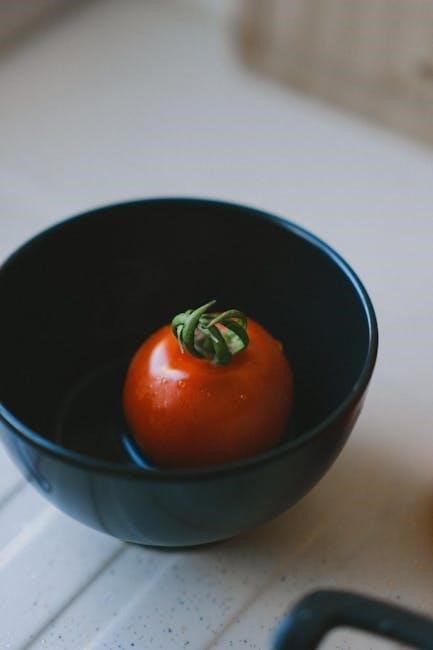
Common acidic foods to avoid include citrus fruits (oranges, lemons, grapefruits), tomatoes and tomato-based products (sauce, juice, ketchup), and vinegar-containing dressings. These foods directly contribute to a more acidic environment within the stomach.
The increased acidity can trigger heartburn, indigestion, and pain, hindering the ulcer’s ability to heal. It’s important to note that the acidity level varies within food groups; for example, some apple varieties are less acidic than others.
Monitoring individual tolerance is crucial, but generally, limiting or eliminating acidic foods is recommended during ulcer flare-ups. Choosing milder alternatives and focusing on alkaline-forming foods can promote healing and symptom relief.
Fatty Foods
Fatty foods significantly delay stomach emptying, increasing the time acids are in contact with the ulcerated lining, thus intensifying irritation and pain. This prolonged exposure hinders the natural healing process and can worsen existing symptoms.
High-fat meals stimulate gastric acid secretion, further contributing to the acidic environment that exacerbates ulcer discomfort. Fried foods, processed snacks, and rich desserts are prime examples of culprits to limit or avoid.
The digestive process for fats is also more complex, requiring greater effort from the stomach, which can be particularly problematic for individuals with ulcers. This increased digestive workload can lead to bloating and discomfort.
Opting for lean protein sources and low-fat cooking methods is crucial for managing ulcer symptoms. Prioritizing foods that are easily digestible and don’t linger in the stomach for extended periods supports healing and overall digestive health.
Caffeinated Beverages
Caffeinated beverages, including coffee, tea, and many sodas, are known to stimulate gastric acid production, directly irritating the sensitive lining of the stomach and potentially worsening ulcer symptoms. This increased acidity can exacerbate pain and discomfort.
While moderate caffeine consumption might be tolerated by some, individuals with ulcers are generally advised to significantly reduce or eliminate these drinks from their diet. The impact varies, but the risk of aggravation is substantial.
Caffeine can also relax the lower esophageal sphincter, increasing the likelihood of acid reflux, which further irritates the stomach and esophagus; This creates a vicious cycle of discomfort and inflammation.
Consider switching to herbal teas, decaffeinated options, or water as healthier alternatives. Staying hydrated is crucial for overall health and supports the healing process, without the negative effects of caffeine.
Alcohol
Alcohol consumption is strongly discouraged for individuals managing stomach ulcers. Like caffeinated beverages, alcohol significantly irritates and erodes the stomach lining, hindering the healing process and intensifying pain. It increases gastric acid secretion, exacerbating existing inflammation.
Even moderate alcohol intake can disrupt the protective mucosal barrier in the stomach, making it more vulnerable to damage from acid and pepsin. This disruption prolongs ulcer duration and increases the risk of complications.
Alcohol also interferes with the body’s natural healing mechanisms, slowing down tissue repair and potentially leading to bleeding ulcers. Avoiding alcohol entirely is the safest course of action.
Opt for non-alcoholic beverages like water, herbal teas, or fruit-infused water to stay hydrated and support your digestive health. Prioritizing a healthy lifestyle, free from alcohol, is essential for effective ulcer management.
Dietary Recommendations for Healing
Prioritize smaller, frequent meals to minimize stomach acid production, alongside thorough chewing for easier digestion, and consistent hydration to support the healing process.
Smaller, More Frequent Meals
Consuming several smaller meals throughout the day, rather than a few large ones, is a cornerstone of an ulcer-friendly diet. This approach helps to neutralize stomach acid and reduce irritation to the ulcerated lining.

Large meals stimulate increased acid production, potentially exacerbating pain and delaying healing. By distributing food intake evenly, you maintain a more consistent, lower level of acidity.
Aim for approximately five to six small meals or snacks daily, ensuring each portion is easily digestible. This strategy minimizes the burden on your digestive system and allows the stomach lining to recover.
Spacing meals two to three hours apart provides sufficient time for digestion and prevents prolonged periods of emptiness, which can also trigger acid secretion. Remember, consistent, moderate intake is key to managing ulcer symptoms and promoting healing.
WHO emphasizes the importance of balanced nutrition, and this principle applies directly to ulcer management through strategic meal timing and portion control.
Thorough Chewing
The process of thoroughly chewing your food before swallowing is a surprisingly powerful tool in managing ulcer symptoms and aiding digestion. It’s a simple yet often overlooked aspect of dietary care.
Proper chewing breaks down food into smaller particles, reducing the workload on your stomach. This minimizes the amount of acid required for digestion, lessening irritation to the ulcer.

Saliva, produced during chewing, contains enzymes that begin the digestive process and also acts as a natural buffer, helping to neutralize stomach acid. This creates a more favorable environment for healing.
Take your time with each meal, focusing on chewing each bite completely before moving on. Aim for 20-30 chews per mouthful. This practice not only aids digestion but also promotes mindful eating.
WHO advocates for healthy dietary habits starting early in life, and thorough chewing is a foundational practice for optimal digestive health throughout all stages of life.
Hydration is Key
Maintaining adequate hydration is absolutely crucial when managing stomach ulcers and supporting the healing process. Water plays a vital role in numerous bodily functions, including digestion and protecting the stomach lining.
Sufficient fluid intake helps dilute stomach acid, reducing irritation and discomfort. It also aids in the production of mucus, which forms a protective barrier over the ulcer.
Aim to drink at least eight glasses of water daily, and increase your intake if you are experiencing diarrhea or vomiting. Avoid sugary drinks, caffeinated beverages, and alcohol, as these can exacerbate ulcer symptoms.
Water also assists in nutrient absorption, ensuring your body receives the essential vitamins and minerals needed for tissue repair and overall health.
WHO emphasizes the importance of a healthy diet for optimal well-being, and adequate hydration is an integral component of that diet, supporting all bodily functions.
Specific Dietary Approaches
Tailoring your diet with approaches like the bland diet or an anti-inflammatory plan can significantly aid ulcer healing and symptom management, promoting overall wellness.
These strategies emphasize gentle foods and nutrient-rich choices, aligning with WHO’s guidance on healthy eating for disease prevention and improved health outcomes.
Individualized plans, considering preferences and cultural contexts, are essential for sustainable dietary changes and long-term digestive health and comfort.
The Bland Diet
The bland diet, a cornerstone of traditional ulcer management, centers around foods easily digested and least likely to irritate the stomach lining, offering gentle nourishment during healing.
This approach typically includes options like boiled potatoes, plain toast, bananas, rice, and cooked cereals – foods low in fiber, fat, and spices, minimizing gastric stimulation.
Avoiding strong flavors and textures is crucial; think soft, easily chewed foods that require minimal digestive effort, aligning with the principle of reducing stomach acid production.
While effective for short-term symptom relief, the bland diet isn’t intended as a long-term solution, as it can lack essential nutrients for sustained health and well-being.
WHO’s emphasis on varied diets highlights the importance of gradually reintroducing nutrient-rich foods as symptoms subside, ensuring a balanced intake for optimal recovery.
Transitioning from a bland diet should be guided by individual tolerance and professional advice, incorporating probiotic-rich and fiber-rich foods for long-term digestive health.
Remember, a bland diet is a temporary measure, a stepping stone towards a more comprehensive and sustainable dietary plan tailored to individual needs and preferences.
Anti-Inflammatory Diet
An anti-inflammatory diet focuses on reducing overall inflammation in the body, potentially alleviating ulcer symptoms and promoting healing through targeted nutritional choices.
This dietary pattern emphasizes foods rich in antioxidants and omega-3 fatty acids, known for their anti-inflammatory properties, such as fatty fish, berries, and leafy greens.
Key components include abundant fruits and vegetables, whole grains, lean proteins, and healthy fats – all contributing to a balanced and nourishing intake that supports gut health.
WHO’s guidelines on healthy diets align with this approach, advocating for diverse food consumption to ensure adequate nutrient intake and reduce chronic disease risk.
Foods containing flavonoids, like apples and onions, offer additional anti-inflammatory benefits, protecting cells from damage and supporting immune function;
Limiting processed foods, sugary drinks, and red meat is crucial, as these can exacerbate inflammation and hinder the healing process, impacting overall well-being.
Adopting an anti-inflammatory diet is a proactive step towards managing ulcers and fostering long-term digestive health, complementing other treatment strategies.
Meal Planning for Ulcer Sufferers
Strategic meal planning is essential for managing ulcers, prioritizing gentle, nourishing foods and consistent eating schedules to minimize irritation and promote healing.
Carefully crafted meals, incorporating probiotic-rich options and lean proteins, support digestive health and provide essential nutrients for recovery and sustained well-being.
Consistent timing and portion control are vital, aligning with recommendations for smaller, more frequent meals to reduce stomach acid production and discomfort.
Sample Breakfast Ideas
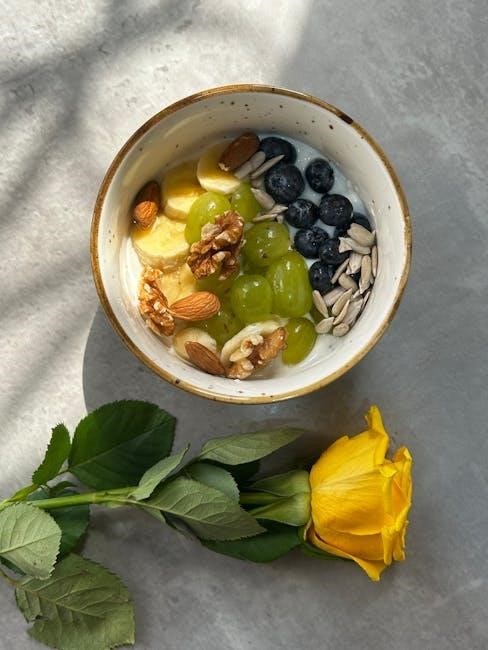
Starting the day with a gentle, ulcer-friendly breakfast sets a positive tone for digestive comfort. Oatmeal, prepared with water or lactose-free milk, is an excellent choice, offering soluble fiber that can soothe the stomach lining. Consider adding a small amount of sliced banana for potassium and a touch of honey for natural sweetness – avoid excessive sugar.
Scrambled eggs, cooked without added butter or spices, provide lean protein and are generally well-tolerated. Pair them with a slice of whole-wheat toast, ensuring it’s not heavily buttered. A small serving of yogurt, particularly those containing probiotics, can also be beneficial for gut health, but opt for plain varieties to minimize sugar intake.
Smoothies made with non-citrus fruits like bananas and pears, blended with lactose-free yogurt or milk, offer a quick and easy option. Avoid adding acidic ingredients like oranges or grapefruit. Remember to prioritize bland, easily digestible foods and listen to your body’s signals, adjusting portions and ingredients as needed;
Sample Lunch Ideas
Midday meals should continue the focus on gentle digestion and ulcer management. A baked or grilled chicken breast sandwich on whole-wheat bread, with a light spread of avocado, provides lean protein and healthy fats. Avoid spicy condiments or heavily seasoned meats. A side of steamed green beans or carrots offers essential vitamins and fiber.
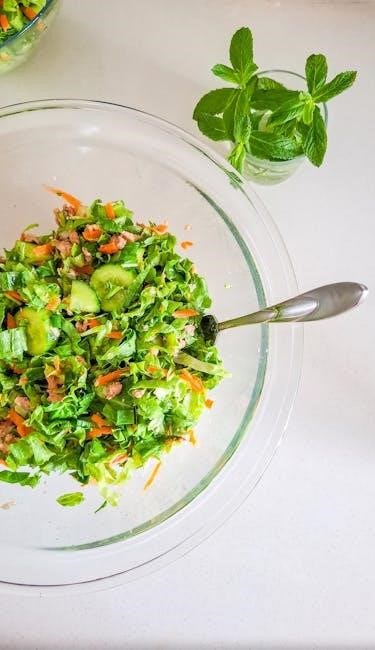
Soup is an excellent lunch option, particularly broth-based varieties with soft vegetables like potatoes and carrots. Creamy soups should be consumed in moderation due to their higher fat content. A small salad with a simple vinaigrette dressing (avoiding citrus-based dressings) can add freshness and nutrients.
Consider a portion of quinoa or brown rice with steamed fish, seasoned lightly with herbs. These provide complex carbohydrates and omega-3 fatty acids, promoting overall health. Remember to eat slowly and chew thoroughly to aid digestion and minimize irritation to the stomach lining.
Sample Dinner Ideas
Evening meals should prioritize easily digestible foods to allow for restful sleep and continued ulcer healing. Baked or poached salmon with a side of mashed sweet potatoes and steamed broccoli is a nutritious and gentle option. Salmon provides omega-3 fatty acids, known for their anti-inflammatory properties.
A lean ground turkey stir-fry with brown rice and a variety of non-acidic vegetables (such as spinach, carrots, and bell peppers) offers a balanced meal. Use low-sodium soy sauce or tamari for flavoring, avoiding spicy sauces. Ensure the turkey is thoroughly cooked and not overly seasoned.
Chicken and vegetable soup, similar to the lunch suggestion, remains a comforting and easily digestible dinner choice. Focus on soft vegetables and a mild broth. Avoid adding excessive salt or pepper. Remember to eat slowly and avoid lying down immediately after eating.
The Importance of Individualized Nutrition
Personalized dietary plans, considering unique sensitivities and preferences, are crucial for effective ulcer management and long-term health improvements, as highlighted by WHO.
Consulting a registered dietitian ensures tailored guidance, addressing specific needs and optimizing nutritional intake for individual healing journeys.
Acknowledging food sensitivities prevents irritation and supports optimal digestion, enhancing the effectiveness of the overall dietary approach.
Consulting a Registered Dietitian

Seeking guidance from a Registered Dietitian (RD) is paramount when navigating an ulcer diet, as they provide personalized expertise beyond general recommendations.
An RD assesses individual needs, considering medical history, lifestyle, and potential food sensitivities to create a tailored plan promoting healing.
They translate complex nutritional information into practical strategies, ensuring the diet is both effective and sustainable for long-term management;
Dietitians help identify trigger foods, often differing between individuals, and suggest appropriate substitutions to minimize discomfort and inflammation.
Furthermore, they monitor progress, adjusting the diet as needed based on symptom response and overall health improvements.
RDs also address potential nutrient deficiencies, common in those with ulcers due to dietary restrictions or impaired absorption.
WHO emphasizes the importance of professional guidance for optimal health outcomes, and an RD embodies this principle for ulcer sufferers.
They ensure a balanced intake of essential vitamins, minerals, and macronutrients, supporting tissue repair and overall well-being.
Ultimately, a dietitian empowers individuals to take control of their health through informed dietary choices and sustainable lifestyle changes.
Considering Food Sensitivities
Identifying food sensitivities is crucial when crafting an effective ulcer diet, as individual reactions can significantly impact healing and symptom management.
While common triggers like spicy or acidic foods are well-known, sensitivities can extend to seemingly benign items, necessitating careful observation.
Symptoms may manifest as increased pain, bloating, nausea, or diarrhea, often delayed after consumption, making pinpointing the culprit challenging.
An elimination diet, guided by a Registered Dietitian, can help isolate problematic foods by systematically removing and reintroducing them.
Common sensitivities include dairy, gluten, soy, and certain fruits or vegetables, though reactions vary greatly from person to person.
WHO highlights the importance of individualized nutrition, acknowledging that dietary needs differ based on personal characteristics and beliefs.
Keeping a detailed food diary, noting meals and associated symptoms, provides valuable insights for identifying potential sensitivities.
It’s important to remember that sensitivities differ from allergies; sensitivities cause digestive discomfort, while allergies trigger immune responses.
Addressing sensitivities proactively minimizes inflammation and supports optimal gut health, accelerating ulcer healing and improving quality of life.
Resources for Further Information (PDFs & Links)
Explore WHO’s guidelines on healthy diets for foundational knowledge, and access NIDDK resources for detailed information on digestive diseases and ulcers.
These PDFs and links offer comprehensive insights into nutrition, symptom management, and evidence-based dietary approaches for optimal ulcer care.
WHO Guidelines on Healthy Diets
The World Health Organization (WHO) emphasizes a holistic approach to healthy eating, advocating for diverse food consumption to ensure adequate nutrient intake and protect against malnutrition.
These guidelines stress the importance of balancing energy intake with physical activity, recognizing that both are crucial for maintaining a healthy weight and reducing chronic disease risk.
Specifically regarding ulcer management, while WHO doesn’t offer a diet specifically for ulcers, their recommendations for a generally healthy diet – prioritizing fruits, vegetables, whole grains, and lean proteins – align with strategies to soothe the digestive system.
WHO advises limiting the intake of unhealthy fats, sugars, and salt, all of which can exacerbate ulcer symptoms or hinder healing.
Their fact sheets highlight the significance of adequate hydration and mindful eating habits, promoting overall digestive health and well-being.
Accessing WHO resources provides a broader understanding of the interconnectedness between diet, lifestyle, and overall health, empowering individuals to make informed choices.
Further exploration of WHO’s publications can offer valuable insights into creating a sustainable and nourishing dietary pattern that supports ulcer recovery and long-term digestive health.
National Institute of Diabetes and Digestive Diseases (NIDDK) Resources
The National Institute of Diabetes and Digestive Diseases (NIDDK) provides comprehensive information regarding digestive disorders, including peptic ulcers, with a strong emphasis on the role of diet in management and healing.
NIDDK resources detail how certain foods can irritate the stomach lining, exacerbating ulcer symptoms, while others can promote healing and provide relief.
Their publications advocate for a diet rich in fruits, vegetables, and whole grains, mirroring WHO’s recommendations for overall health and digestive well-being.
NIDDK specifically advises avoiding spicy foods, acidic fruits, caffeinated beverages, and alcohol, all known ulcer irritants.
The institute’s website offers detailed guidance on meal planning, portion control, and the importance of eating smaller, more frequent meals.
Accessing NIDDK’s materials empowers individuals with evidence-based knowledge to make informed dietary choices and actively participate in their ulcer management.
These resources are invaluable for understanding the complex relationship between diet, digestive health, and ulcer recovery, promoting a proactive approach to wellness.