Central Service technical manuals detail procedures for instrument reprocessing, ensuring patient safety and regulatory compliance within healthcare facilities․
These guides cover decontamination, sterilization, and workflow, referencing standards like AAMI and CDC, crucial for quality control․
Purpose and Scope
The primary purpose of a Central Service technical manual is to establish standardized procedures for all facets of instrument reprocessing within a healthcare setting․ This encompasses decontamination, sterilization, assembly, storage, and distribution of medical devices․
The scope extends to all personnel involved in these processes, ensuring consistent application of best practices․ It serves as a comprehensive reference, detailing equipment operation, maintenance, and troubleshooting․ Furthermore, the manual clarifies adherence to regulatory guidelines – AAMI, CDC, and potentially others – vital for accreditation and patient safety․ It bridges knowledge gaps and promotes continuous quality improvement within the Central Service Department, ultimately safeguarding both patients and staff․
Target Audience
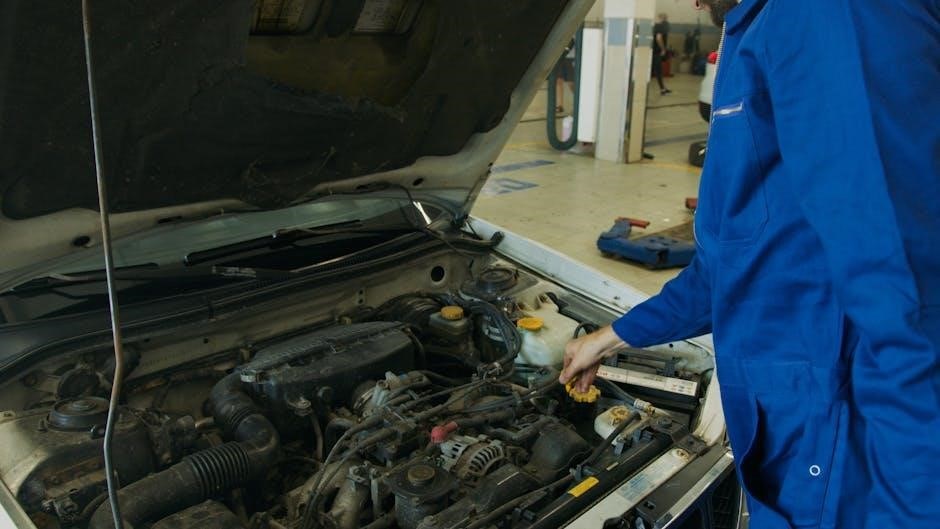
The Central Service technical manual is designed for a diverse audience within a healthcare facility․ Primarily, it’s intended for Central Service technicians – those directly involved in instrument processing․ However, its scope extends to include surgical staff, nurses, and physicians who utilize sterilized instruments․
Additionally, the manual serves as a valuable resource for infection control practitioners, quality assurance personnel, and biomedical equipment technicians responsible for maintaining reprocessing equipment․ Supervisors and managers benefit from its detailed procedures for training and competency assessment․ Ultimately, anyone contributing to or overseeing the sterilization process should have access to and understanding of the manual’s contents, fostering a culture of safety and compliance․
Manual Organization
A well-structured Central Service technical manual typically follows a logical progression, beginning with foundational principles and advancing to specific procedures․ Initial sections outline department functions, roles in patient safety, and relevant regulatory standards (AAMI, CDC)․ Subsequent chapters detail decontamination processes – receiving, pre-cleaning, and automated cleaning․
Sterilization chapters are organized by modality (steam, EtO, hydrogen peroxide gas plasma), including monitoring techniques․ A dedicated section covers instrument workflow, from point-of-use to inspection․ Maintenance and troubleshooting guides for key equipment are included, alongside quality control protocols and safety procedures․ Appendices often contain supporting documentation like SDS sheets and equipment manuals, ensuring comprehensive accessibility․
Central Service Department Overview
The Central Service Department is vital for reprocessing medical instruments, directly impacting patient safety and infection control within healthcare settings․
It adheres to strict regulations, ensuring sterilized equipment is readily available for procedures, supporting efficient hospital operations․
Department Functions
Central Service Departments perform critical functions encompassing the entire instrument lifecycle․ Receiving, decontamination, inspection, assembly, and sterilization are core responsibilities, demanding meticulous attention to detail․
Technicians follow established protocols, documented in technical manuals, to ensure instruments are safe for reuse․ This includes operating and maintaining specialized equipment like washer-disinfectors and autoclaves․
Furthermore, the department manages inventory, distributes sterilized supplies to various hospital units, and maintains comprehensive records for traceability and quality assurance․ Adherence to AAMI and CDC guidelines is paramount, requiring ongoing training and competency assessments for all personnel․ Proper function directly correlates to reduced healthcare-associated infections․
Role in Patient Safety
Central Service plays a pivotal, yet often unseen, role in safeguarding patient safety․ Thorough decontamination and sterilization, guided by technical manuals, eliminate harmful microorganisms from medical devices, preventing healthcare-associated infections (HAIs)․
Proper instrument processing minimizes the risk of surgical site infections, sepsis, and other complications․ Strict adherence to established protocols, including monitoring sterilization effectiveness with biological and chemical indicators, is crucial․
Detailed documentation and record-keeping, as outlined in the manuals, ensure traceability and accountability․ A robust Central Service department, operating under stringent quality control measures, directly contributes to positive patient outcomes and a safer healthcare environment, reducing morbidity and mortality rates․
Regulatory Compliance (e․g․, AAMI, CDC)
Central Service technical manuals are fundamentally built upon adherence to stringent regulatory guidelines․ Organizations like the Association for the Advancement of Medical Instrumentation (AAMI) and the Centers for Disease Control and Prevention (CDC) establish standards for instrument reprocessing․
These standards encompass all aspects, from decontamination and sterilization to quality control and documentation․ Manuals detail specific requirements for equipment maintenance, biological indicator testing, and personnel training, ensuring facilities meet accreditation standards․
Compliance isn’t merely about avoiding penalties; it’s about consistently delivering safe, effective patient care․ Regular audits and updates to procedures, reflecting evolving guidelines, are essential components of a compliant Central Service department․
Decontamination Procedures
Central Service technical manuals outline receiving, sorting, pre-cleaning, and cleaning protocols—both manual and automated—for contaminated instruments, vital for safety․
Receiving and Sorting Contaminated Items
Central Service technical manuals emphasize a systematic approach to receiving and sorting contaminated items․ Upon arrival from various departments, instruments must be handled with strict adherence to safety protocols, minimizing personnel exposure․
Initial sorting categorizes items based on complexity and material compatibility, preparing them for appropriate decontamination pathways․ Manuals detail proper container usage – puncture-resistant, leak-proof, and clearly labeled – to prevent sharps injuries and cross-contamination․
Furthermore, they specify procedures for segregating reusable medical devices from disposable ones, and for identifying items requiring special handling due to biohazard risks or delicate components․ Accurate documentation of receipt and sorting is paramount for traceability and quality assurance․
Pre-Cleaning Methods
Central Service technical manuals detail crucial pre-cleaning methods, vital for removing gross debris before decontamination․ This initial step significantly enhances the effectiveness of subsequent sterilization processes and prolongs instrument life․ Manuals advocate for point-of-use pre-cleaning, utilizing enzymatic detergents or wipes to remove blood, tissue, and other organic matter immediately after use․
They emphasize the importance of flushing lumens and hinges to prevent buildup and ensure thorough cleaning․
Manuals also outline procedures for ultrasonic cleaning, a common pre-cleaning technique, specifying appropriate solution concentrations, exposure times, and instrument loading guidelines․ Proper rinsing with potable water is essential to remove detergent residues, preventing corrosion and ensuring patient safety․
Manual Cleaning Techniques
Central Service technical manuals provide detailed guidance on manual cleaning techniques, emphasizing a systematic approach for thorough instrument decontamination․ These manuals stress the importance of wearing appropriate Personal Protective Equipment (PPE), including gloves and eye protection, during the process․ They outline proper brush selection – utilizing nylon or specialized instrument brushes – and scrubbing techniques to remove bioburden from instrument surfaces․
Manuals detail specific procedures for cleaning complex instruments with multiple parts, requiring disassembly and meticulous attention to detail․
They also highlight the necessity of thorough rinsing with potable water to eliminate detergent residues, preventing corrosion and ensuring patient safety․ Proper drying techniques are also covered, preventing water spots and maintaining instrument integrity․
Automated Cleaning Equipment (Washer-Disinfectors)
Central Service technical manuals dedicate significant sections to the operation and maintenance of automated cleaning equipment, specifically washer-disinfectors․ These manuals detail proper loading techniques, emphasizing the avoidance of overcrowding to ensure adequate water and detergent circulation for effective cleaning․ They outline the selection of appropriate cleaning agents, compatible with both the instruments and the machine․
Manuals specify required water temperatures, pressure settings, and cycle durations for various instrument types, adhering to AAMI standards․
Furthermore, they cover routine maintenance procedures, including filter cleaning, leak checks, and documentation requirements to guarantee optimal performance and compliance․

Sterilization Processes
Central Service technical manuals comprehensively cover steam, EtO, and hydrogen peroxide gas plasma sterilization, detailing parameters and safety protocols for each method․
Steam Sterilization (Autoclaving)
Central Service technical manuals dedicate significant detail to steam sterilization, also known as autoclaving, the most widely used sterilization method․ These manuals outline critical parameters including temperature – typically 121°C (250°F) or 132°C (270°F) – pressure (usually 15-30 psi above atmospheric pressure), and exposure time, dependent on package size and contents․
Proper loading techniques, ensuring steam penetration, are emphasized․ Manuals detail pre-vacuum autoclaves, gravity displacement autoclaves, and steam-flush purge-cycle autoclaves․ Crucially, they cover biological indicator (BI) testing – typically Geobacillus stearothermophilus spores – and chemical indicator (CI) monitoring to validate sterilization cycles․ Documentation of each cycle, including parameters and BI results, is paramount for quality assurance and regulatory compliance․
Ethylene Oxide (EtO) Sterilization
Central Service technical manuals provide comprehensive guidance on Ethylene Oxide (EtO) sterilization, a low-temperature gas sterilization method vital for heat-sensitive devices․ Manuals detail the EtO cycle phases: preconditioning, gas introduction, exposure, aeration, and purging․ Precise control of concentration, humidity, temperature, and cycle duration is emphasized, as EtO is both effective and hazardous․
Safety protocols are paramount, covering ventilation requirements, leak detection, and personnel protective equipment (PPE)․ Manuals outline the necessity of aeration to remove residual EtO, ensuring patient and staff safety․ Biological indicator (BI) testing, utilizing Bacillus atrophaeus spores, validates sterilization efficacy․ Detailed record-keeping of cycle parameters, BI results, and maintenance logs is crucial for regulatory adherence and quality control․
Hydrogen Peroxide Gas Plasma Sterilization
Central Service technical manuals thoroughly explain Hydrogen Peroxide Gas Plasma sterilization, a low-temperature sterilization method ideal for heat and moisture-sensitive instruments․ These manuals detail the process: hydrogen peroxide vaporization, diffusion, and plasma generation using radiofrequency energy; The plasma effectively destroys microorganisms via oxidation․
Manuals emphasize proper loading density and instrument packaging to ensure adequate gas penetration․ Biological indicator (BI) testing, typically with Geobacillus stearothermophilus spores, confirms sterilization effectiveness․ Chemical indicators provide cycle verification․ Strict adherence to cycle parameters – concentration, exposure time, and temperature – is critical․ Safety protocols, including proper ventilation and PPE, are detailed, alongside procedures for handling and disposing of hydrogen peroxide residue, ensuring a safe environment․
Monitoring Sterilization Effectiveness (Biological Indicators, Chemical Indicators)
Central Service technical manuals dedicate significant attention to monitoring sterilization, emphasizing both biological and chemical indicators․ Biological Indicators (BIs), containing highly resistant bacterial spores (Geobacillus stearothermophilus is common), confirm sterilization achieves lethal conditions․ Manuals detail proper BI placement, incubation procedures, and interpretation of results – a negative result is essential for release․
Chemical Indicators (CIs) provide a visual verification of exposure to critical sterilization parameters․ Different CIs respond to temperature, steam penetration, or chemical concentration․ Manuals specify appropriate CI types for each sterilization cycle and instrument package․ Documentation of all BI and CI results is paramount, forming a crucial component of quality control․ Regular review of monitoring data identifies trends and potential issues, ensuring consistent sterilization performance;

Instrument Processing Workflow
Central Service technical manuals outline a standardized workflow: point-of-use handling, decontamination, sterilization, inspection, and assembly—vital for instrument integrity․
Point-of-Use Handling
Central Service technical manuals emphasize immediate handling of contaminated instruments at the point of use․ This crucial first step minimizes drying of blood and tissue, facilitating effective decontamination․ Staff must be trained to safely disassemble instruments, removing gross debris, and categorizing them according to reprocessing requirements․
Proper containment is paramount; utilizing designated, leak-proof containers prevents sharps injuries and environmental contamination․ Manuals detail specific container types and fill levels․ Immediate transport to the Central Service Department is essential, adhering to established timeframes to prevent microbial growth․ Documentation of any instrument malfunctions or concerns is also a key component of this initial handling phase, ensuring traceability and prompt corrective action․
Transportation of Contaminated Instruments
Central Service technical manuals outline strict protocols for transporting contaminated instruments, prioritizing safety and infection control․ Dedicated transport carts, designed to prevent punctures and spills, are mandatory․ These carts must be clearly labeled as containing contaminated materials, utilizing biohazard symbols and appropriate warnings․
Manuals specify designated transport routes, avoiding public areas to minimize exposure risk․ Personnel involved in transport require appropriate personal protective equipment (PPE), as detailed in safety protocols․ Maintaining a secure chain of custody, with documentation of pickup and delivery times, is crucial․ Adherence to established time limits for transport prevents delays in reprocessing and minimizes microbial proliferation, safeguarding both staff and patients․
Inspection and Assembly
Central Service technical manuals emphasize meticulous inspection and assembly of instrument sets post-sterilization․ Technicians must visually examine each instrument for cleanliness, damage (breaks, rust, or dullness), and proper function, documenting any discrepancies․ Detailed checklists, specific to each set, guide this process․
Assembly requires precise arrangement according to established protocols, ensuring instruments are positioned for optimal accessibility during surgical procedures․ Manuals detail proper wrapping and packaging techniques, maintaining sterile field integrity․ Accurate instrument counts are essential, verified against set-specific par levels․ Any missing or damaged items must be reported and addressed before release to the operating room, upholding patient safety standards․
Equipment Maintenance and Troubleshooting
Central Service technical manuals provide schedules for washer-disinfectors, autoclaves, and EtO sterilizers, detailing preventative maintenance and common troubleshooting steps․
Washer-Disinfector Maintenance
Central Service technical manuals emphasize routine washer-disinfector maintenance for optimal performance and longevity․ Daily checks include verifying water levels, detergent dispensing, and spray arm functionality․ Weekly tasks involve cleaning the filters and inspecting door seals for damage․
Monthly procedures necessitate a thorough cleaning of the internal chamber and a check of the temperature sensors․ Annual preventative maintenance, often performed by qualified technicians, includes inspecting pumps, motors, and heating elements․ Troubleshooting guides within the manuals address common issues like insufficient cleaning, error codes, and drainage problems, providing step-by-step solutions to minimize downtime and ensure effective decontamination․
Autoclave Maintenance
Central Service technical manuals detail comprehensive autoclave maintenance schedules crucial for reliable sterilization․ Daily checks involve verifying water levels, door seal integrity, and proper venting․ Weekly tasks include cleaning the chamber and inspecting the drain screen for debris․
Monthly procedures necessitate a spore test verification and examination of the temperature gauges․ Annual preventative maintenance, typically conducted by certified technicians, encompasses a thorough inspection of the heating elements, valves, and safety mechanisms․ Manuals provide troubleshooting guides addressing common issues like failed cycles, pressure discrepancies, and steam leaks, ensuring prompt resolution and continued sterilization efficacy․
EtO Sterilizer Maintenance
Central Service technical manuals emphasize rigorous maintenance for Ethylene Oxide (EtO) sterilizers due to the gas’s hazardous nature․ Daily checks involve leak detection around seals and connections, alongside monitoring gas concentration levels․ Weekly tasks include filter changes and chamber cleaning to prevent residue buildup․
Monthly procedures require testing the aeration system and verifying alarm functionality․ Annual preventative maintenance, performed by qualified personnel, encompasses a complete inspection of the gas delivery system, safety interlocks, and the catalytic converter․ Manuals detail emergency shutdown procedures and proper handling of EtO cartridges, ensuring operator safety and compliance with stringent regulatory standards․
Quality Control and Assurance
Central Service technical manuals mandate meticulous documentation, record keeping, and regular auditing to verify instrument processing effectiveness and adherence to standards․
Documentation Requirements
Central Service technical manuals emphasize comprehensive documentation as a cornerstone of quality assurance․ Detailed records must be maintained for each sterilization cycle, including date, time, load identification, sterilizer identification, and the results of all monitoring – both biological and chemical indicators․
These records serve as legal evidence of proper sterilization and are crucial during audits and inspections by regulatory bodies like The Joint Commission․ Manuals outline specific forms and logs required for tracking instrument sets, maintenance schedules for equipment (washer-disinfectors, autoclaves, EtO sterilizers), and any corrective actions taken due to failed monitoring․
Proper documentation demonstrates a commitment to patient safety and facilitates traceability in the event of a recall or investigation․ Accurate and complete records are paramount․
Record Keeping Best Practices
Central Service technical manuals advocate for organized and accessible record-keeping systems․ All documentation should be legible, dated, and initialed by the responsible personnel․ Utilizing a standardized format for logs and reports minimizes errors and facilitates data analysis․
Electronic record-keeping systems are increasingly common, offering advantages like improved data security, easier retrieval, and automated reporting․ However, robust backup procedures are essential․ Manuals stress the importance of retaining records for a specified period, often dictated by regulatory requirements, typically several years․
Regular audits of records should be conducted to ensure completeness and accuracy․ Proper record management demonstrates accountability and supports continuous quality improvement efforts within the department․
Auditing Procedures
Central Service technical manuals emphasize routine auditing as a cornerstone of quality assurance․ Internal audits, conducted by trained personnel, should systematically review all aspects of instrument processing – from decontamination to sterilization and storage․ Checklists, aligned with established standards (AAMI, CDC), ensure comprehensive coverage․
Audits verify adherence to documented procedures, identify potential deficiencies, and track corrective actions․ Documentation of audit findings is crucial, including dates, areas reviewed, and any noted discrepancies․ External audits, performed by regulatory bodies or accreditation agencies, may also occur․
Follow-up audits confirm the effectiveness of implemented corrective actions, demonstrating a commitment to continuous improvement and patient safety․ Audit results should be communicated to all relevant staff․
Safety Protocols
Central Service technical manuals prioritize safety, detailing PPE requirements, chemical handling procedures (SDS access), and emergency protocols for staff protection․
Personal Protective Equipment (PPE)
Central Service technical manuals rigorously outline required Personal Protective Equipment (PPE) for all personnel․ This includes, but isn’t limited to, appropriate gloves – often heavy-duty for decontamination – protective eyewear like goggles or face shields to prevent splashes, and gowns to safeguard clothing․
Masks, potentially respirators depending on the task (EtO sterilization), are also crucial․ Manuals detail proper donning and doffing procedures to avoid contamination․ Selection depends on the specific hazard; for example, chemical-resistant gloves are essential when handling cleaning agents or sterilants․ Consistent and correct PPE usage, as detailed in the manual, is paramount for worker safety and preventing healthcare-associated infections․
Chemical Handling and Safety Data Sheets (SDS)
Central Service technical manuals emphasize strict adherence to chemical handling protocols․ These manuals mandate that all chemicals – detergents, disinfectants, sterilants – are accompanied by readily accessible Safety Data Sheets (SDS)․ SDS provide comprehensive information on chemical hazards, safe handling procedures, first-aid measures, and spill control․
Personnel must be thoroughly trained on interpreting SDS and implementing the outlined safety precautions․ Proper ventilation, storage guidelines, and waste disposal methods are detailed․ Manuals also cover emergency procedures for chemical exposures, including eye washes and skin decontamination․ Following SDS guidelines minimizes risks and ensures a safe working environment within the Central Service department․
Emergency Procedures
Central Service technical manuals dedicate significant sections to comprehensive emergency procedures․ These protocols address scenarios like chemical spills, equipment malfunctions (autoclave failures, washer-disinfector breakdowns), fire emergencies, and personnel injuries․ Manuals detail evacuation routes, alarm activation procedures, and contact information for emergency services․
Specific instructions are provided for responding to hazardous material releases, including containment and cleanup protocols․ First-aid training requirements are outlined, and designated personnel are identified for emergency response teams․ Regular drills are mandated to ensure staff familiarity with procedures, promoting a swift and effective response to any unforeseen event within the department․