Overview of Ripndip Washing Guidelines
Ripndip garments demand gentle care. Separate colors, use cold wash, mild detergent, and a delicate cycle. Avoid bleach, tumble dry low, and iron on reverse side at medium heat. Store folded in a cool, dry place to preserve prints. Keep labels best now!.
Importance of Proper Care
Proper care preserves the vibrant prints and unique fabrics that define Ripndip apparel. Washing at low temperatures (≤30 °C) prevents color fading and fabric shrinkage, especially for cotton blends that are common in their tees and hoodies. A gentle cycle reduces abrasion on the distinctive cartoon graphics, ensuring they remain sharp after repeated laundering. Using a mild, fragrance‑free detergent eliminates residue that could clog the delicate fibers or cause skin irritation for sensitive wearers. Avoiding bleach and harsh chemicals protects the integrity of the dyes and maintains the garment’s original brightness. Drying on a low‑heat setting or flat‑drying reduces the risk of distortion and keeps the silhouette true. Ironing on the reverse side at medium heat (≤150 °C) removes wrinkles without scorching the prints. By following these steps, you extend the life of each piece, keeping the brand’s playful aesthetic intact for years of wear.
Consumers often the impact of water hardness on dye longevity. Softening agents can be added to thewashdaily care cycle to prevent buildup that colors. Additionally, rotating garments inside out during wash protects the artwork from abrasion. Finally dry near a window to avoid mildew and preserve fabric integrity.
Typical Ripndip Fabric Types
Ripndip’s catalog showcases a blend of classic and contemporary textiles, each chosen for durability and visual impact. The most common base is 100 % combed cotton, prized for its breathability, softness, and ability to hold vibrant screen‑printed graphics without bleeding. Many t‑shirts and tank tops use a 60 % cotton / 40 % polyester blend; the polyester component adds wrinkle resistance and shape retention, while the cotton keeps the garment comfortable against the skin. Hoodies and sweatshirts often feature a 70 % cotton / 30 % polyester composition, providing a plush feel and a slight stretch that accommodates the brand’s silhouettes. For outerwear, Ripndip occasionally incorporates a nylon or polyester shell over a cotton lining, creating a weather‑proof yet breathable layer that protects the printed artwork from moisture. Specialty items such as fleece jackets use 100 % polyester fleece for maximum warmth, while still allowing the bold illustrations to stand out. All fabrics are pre‑shrunken, ensuring that the final product maintains its original size after the first wash. The careful selection of fibers guarantees that each piece can endure frequent laundering while preserving the integrity of the distinctive, playful designs that define the brand. Silhouettes. softin!
Machine Washing Instructions
Use cold water, gentle cycle, mild detergent. Load small, avoid bleach. Spin low. Remove promptly to prevent stains. Dry flat or low heat tumble. Iron reverse side, medium heat; Follow label for best care. Wash separately from darks. Do not overload!Now
Temperature Settings
Ripndip apparel requires precise temperature control to safeguard vibrant prints and maintain fabric integrity. The recommended setting for most Ripndip pieces is cold water, roughly 30 °C (86 °F). Cold water preserves dye saturation, prevents color bleeding, and reduces the risk of shrinkage, especially in cotton‑blend or polyester‑based garments that are common in the brand’s lineup. If a garment is particularly heavy or made from thicker fabrics, a slightly warmer setting of 40 °C (104 °F) may be employed, but temperatures above 40 °C should never be used, as they can distort prints, warp seams, and cause irreversible damage to the fabric’s structure. For delicate or highly detailed prints, a gentle 20 °C (68 °F) wash cycle is advised to ensure the artwork remains crisp and unaltered. Always consult the specific care label on each item; if the label indicates “cold only,” strictly adhere to that instruction. Using cold water also conserves energy and aligns with sustainable washing practices, a value increasingly important to Ripndip’s eco‑conscious customer base. In summary, default to cold (30 °C), elevate to 40 °C only for heavy fabrics, and never exceed 40 °C to protect the brand’s distinctive aesthetic and fabric quality. Always double‑check the care label before washing, as some Ripndip items require a gentle hand wash or special detergents to preserve their unique designs. and stay fresh.
Load Size and Detergent Choice
Ripndip garments are crafted from a mix of cotton, polyester, and sometimes lightweight blends that are prone to color fading and print distortion if overloaded or washed with harsh detergents. The optimal load size is more than one‑third of the machine’s capacity, ensuring each item receives gentle agitation. For a standard 7‑kg drum, limit the load to 2–3 pieces, or 4–5 smaller items, to avoid overcrowding. When selecting detergent, choose a mild, color‑safe formula that is free of bleach, brighteners, and fabric softeners, as these can strip the vibrant graphics and alter the feel of the fabric. A liquid detergent is preferable over powder, as it dissolves completely in cold water and reduces residue buildup. For soiled items, add a small amount of enzyme‑based cleaner that targets protein and starch stains without compromising the print. Always read the detergent packaging for recommended dosage; over‑dosing can leave a film that attracts dirt and diminishes the garment’s appearance. If you prefer eco‑friendly options, look for phosphate‑free detergents that still offer effective stain removal. Finally, run a rinse cycle with a rinse option to ensure all detergent is removed, preventing irritation and preserving the garment’s longevity over multiple washes.
Cycle Selection and Spin Speed
Selecting the correct wash cycle is essential to protect Ripndip’s distinctive prints and maintain fabric integrity. A gentle or delicate cycle with a low agitation setting is recommended for most garments, especially those featuring bold graphics or embroidered motifs. If the machine offers a “hand wash” or “delicate” option, use it; otherwise, choose a standard cycle with a reduced spin speed of 400–600 rpm to minimize stress on the fabric. For items with heavier embellishments or thicker fabric blends, a “normal” cycle with a moderate spin speed of 800–1000 rpm can be used, but always inspect the garment beforehand for any loose threads or embellishments that could snag. Avoid high‑speed spin settings above 1200 rpm, as they can cause the prints to warp or the fabric to stretch. After the wash, it’s advisable to remove the garment promptly and lay it flat or hang it on a padded hanger to preserve shape. If you prefer a quick spin, use the “quick rinse” feature with a low spin speed of 300 rpm, which helps remove excess water without compromising the print. Finally, always read the manufacturer’s care label for any specific cycle recommendations, and consider using a fabric protector spray after washing to enhance durability and keep the colors vibrant.Adhering to these cycle settings preserves Ripndip’s print vibrancy, keeping garments crisp and true for many wears and lasting life!.
Hand Washing and Spot Cleaning
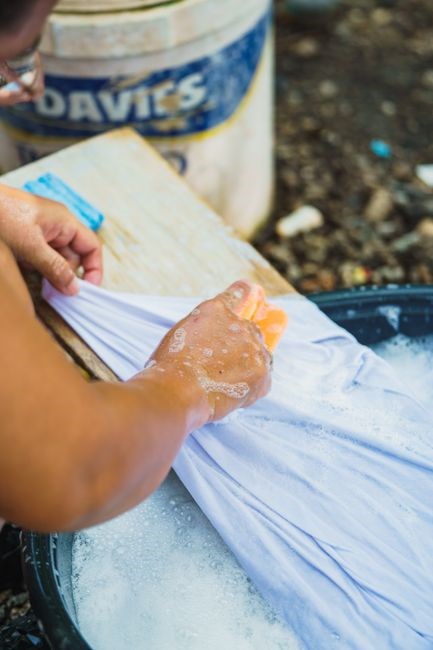
Hand wash Ripndip items in cool water with mild detergent. Gently agitate, avoid scrubbing prints. Spot clean with a soft brush and mild soap. Rinse thoroughly, lay flat to dry. Never use bleach or harsh chemicals !!
Recommended Soaps
When caring for Ripndip apparel, choosing the right soap is essential to preserve vibrant prints and delicate fabrics. A gentle, fragrance‑free liquid detergent formulated for colored clothing is ideal. Look for products labeled “color‑safe” or “delicate” that contain no bleach or optical brighteners. A popular choice is Persil ProClean Color, known for its mild formula and excellent stain‑removal without compromising color integrity. For a more eco‑friendly option, a Seventh Generation Free & Clear offers a plant‑based detergent that is free of dyes, fragrances, and phosphates, making it safe for both the garment and the environment. If you prefer a natural alternative, a small amount of Castile soap diluted in lukewarm water works well for spot‑cleaning; it is gentle, biodegradable and leaves no residue. For hand washing, a mild dish soap such as Fair‑Trade Pure Dish Soap can be used sparingly, but avoid soaps with added fragrances or harsh surfactants. Always rinse thoroughly to remove any soap residue, as buildup can dull prints over time. When using any soap, test a small hidden area first to ensure no color fading or fabric damage. By selecting a suitable, gentle detergent and following proper rinsing, your Ripndip pieces will stay fresh, colorful, and ready for the next adventure. Remember to always read the garment care label before washing, and keep the soap usage within recommended limits to maintain the integrity of the artwork.
Techniques for Delicate Prints
Ripndip’s iconic graphics require meticulous handling. First, always pre‑wash by turning garments inside out to protect surface designs. Use a mesh laundry bag to reduce friction and prevent print peeling. Select a cold or warm water cycle (no more than 30 °C) and a gentle or delicate setting with a low spin speed (≤400 rpm). Add a mild, fragrance‑free detergent and avoid bleach or fabric softeners, which can degrade inks. For spot‑cleaning, apply a small amount of gentle liquid soap to a damp cotton pad and dab gently—never rub—to lift stains without disturbing the print. If a stain persists, use a diluted solution of vinegar (1:4 vinegar to water) applied with a soft brush, then rinse thoroughly. After washing, lay the garment flat on a clean towel, reshaping the print area to its original form, and allow it to air‑dry away from direct sunlight to prevent fading. Avoid hanging to dry, as weight can pull prints. When ironing, set the iron to a low heat setting and place a thin cotton cloth over the print; never iron directly on the design. For storage, fold the garment inside out and store in a cool, dry place; avoid stacking heavy items on top. Following these steps preserves the vibrancy and longevity of Ripndip’s unique artwork. Never use a dryer or high heat, as this can damage the artwork with care.
Drying and Ironing Care
Use low heat. Tumble dry on low or air dry flat. Avoid high spin. Iron reverse side at medium heat with cloth. Never use fabric softener. Store folded, not hung. Keep prints protected. Use a low heat setting. Avoid high temperatures Keep prints i.!!

Tumble Dry Guidelines
Ripndip clothing, celebrated for its bold, whimsical prints, demands gentle handling during the drying process to preserve both color vibrancy and fabric integrity. The safest approach is to employ the lowest heat setting available on your dryer—commonly labeled “low” or “air‑dry.” This setting reduces the likelihood of heat‑induced fading, shrinkage, or distortion of intricate graphics. For garments that are particularly delicate or feature large, complex patterns, it is advisable to remove items promptly once the cycle concludes; lingering exposure to residual heat can cause subtle warping or loss of detail. If your dryer offers a “no‑heat” or “air‑dry” option, that is the optimal choice for the most sensitive pieces. After removal, lay the clothing flat on a clean, dry towel or a drying rack to maintain shape and avoid creases. Allow the garment to air‑dry completely before handling or storing. If a tumble dry cycle is unavoidable, consider adding a dryer sheet or a clean, damp cloth to the load to reduce static cling and help maintain softness. Finally, avoid overloading the dryer; a cramped drum can lead to uneven drying and increased friction, potentially damaging the fabric or print. By following these guidelines, you can extend the life of Ripndip garments while keeping their colors vivid and their designs crisp. Remember to check the care label before drying to ensure compliance with manufacturer recommendations. Keep garments cool and dry. Follow these steps to preserve the unique style and longevity of your Ripndip collection. These drying practices guarantees that your Ripndip apparel remains fresh, vibrant, and ready for countless adventures, ensuring that every print stays true to its original design.!
Flat Drying Methods
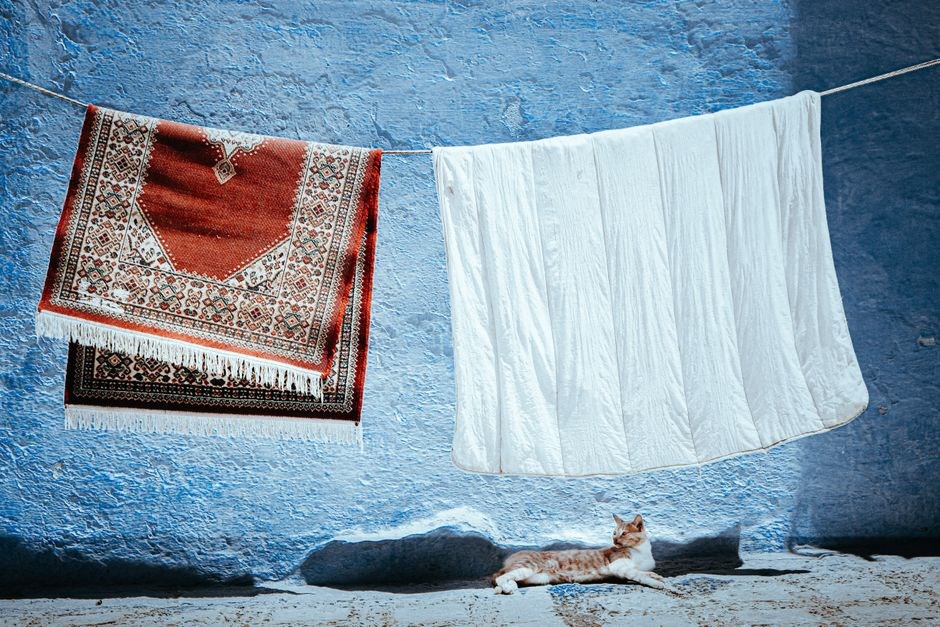
After washing, lay Ripndip garments flat on a clean, dry towel or a dedicated drying rack. Ensure the surface is level to prevent warping of printed areas. For shirts, place the garment on its back, smoothing out wrinkles with gentle hand pressure. Avoid folding over printed sections, as this can crease or distort the artwork. If the garment has a hood or elastic band, lay it flat to maintain shape. For heavier pieces like hoodies, use a flat drying board to keep the fabric taut and prevent sagging. Keep the drying area well ventilated; a fan or open window accelerates moisture removal without exposing the fabric to direct sunlight, which can fade colors. Allow the garment to dry completely before handling; premature folding can lead to permanent creases. Once dry, store the piece folded on a clean surface or hang on a padded hanger to preserve the print. Regular flat drying reduces the risk of shrinkage, maintains the integrity of the design, and keeps the garment in pristine condition for future wear. Additionally, if you notice any lingering moisture after flat drying, gently blot the fabric with a clean towel and allow it to air dry further; this step prevents mildew and keeps the vibrant colors sharp for years of wear. This care routine ensures lasting freshness.
Ironing Temperature and Settings
When ironing Ripndip apparel, set the iron to a low to medium heat setting—typically 120–150 °C (about 250–300 °F). Use the reverse side of the fabric to protect printed graphics. If the garment is cotton‑blend, a steam setting can help smooth wrinkles without scorching the print. For polyester or nylon blends, avoid high heat; instead, use a dry iron on the lowest setting. Always test a small, inconspicuous area first to ensure the color and print do not fade or melt. Place a thin cotton cloth between the iron and the garment to act as a barrier. Press gently in short bursts, moving the iron continuously to prevent heat buildup. Do not leave the iron stationary for more than a few seconds. When working around logos or stickers, lift the iron slightly to avoid direct contact. After ironing, allow the garment to cool completely before handling or storing. This careful approach preserves the integrity of Ripndip’s vibrant designs and extends the life of each piece. Store garments in a cool, dry drawer away from direct sunlight, avoiding overcrowding to protect prints. Rotate items periodically to maintain shape, and use breathable cotton bags instead of plastic to keep moisture at bay. This simple routine preserves Ripndip’s vibrant style for years daily!!!.
Storage and Maintenance Between Washes
Store folded, not hung, to avoid creases. Keep in a cool, dry place away from direct sunlight. Use breathable cotton bags, avoid plastic. Rotate items regularly. Light fabric fresheners can keep scent fresh without damaging prints. Keep it dry now.
Folding vs Hanging
Folding keeps Ripndip prints crisp and prevents stretching, especially for graphic tees and hoodies. Begin by laying the garment face‑down, smoothing out wrinkles with a gentle hand. Fold sleeves inward, then fold the piece in half lengthwise, and finally fold in thirds to create a compact rectangle. Store folded items in a cool, dry drawer or shelf, away from direct sunlight and humidity. For delicate fabrics, place a thin cotton sheet between layers to avoid abrasion. Hanging is suitable for items that can maintain shape, such as lightweight shirts or blouses. Use padded, non‑metal hangers to avoid shoulder marks, and avoid over‑crowding the wardrobe to allow air circulation. For heavier pieces like sweatshirts, folding is preferable to prevent sagging. When hanging, keep the garment face‑up to protect the print from dust. Label storage bins with “Ripndip” to quickly locate items. Regularly rotate stored pieces to keep the collection fresh and reduce static buildup. By choosing the right method—folding for bulk and hanging for shape—you extend the life of your Ripndip wardrobe while keeping every design vibrant. Remember to always check the garment’s care label before washing, as Ripndip pieces may have fabric requirements that differ from the general guidelines above. enjoy!!
Use of Fabric Fresheners
When caring for Ripndip apparel, a subtle freshener can preserve scent without compromising fabric integrity. Opt for alcohol‑free, fragrance‑light sprays that are specifically formulated for cotton or polyester blends. Spray lightly onto a clean, dry surface or a microfiber cloth, then gently dab the garment’s surface, avoiding direct contact with prints to prevent staining. For long‑term freshness, place a breathable sachet of dried lavender or cedarwood in the storage drawer; these natural agents absorb moisture and impart a subtle aroma. Avoid using heavy perfume‑laden products, as they can leave residue and attract dust. If you prefer a DIY approach, mix equal parts distilled water and a few drops of tea tree oil in a spray bottle; this solution offers mild antibacterial properties while keeping the fabric fresh. After application, allow the garment to air dry fully before folding or hanging. Always test a small, inconspicuous area first to ensure no discoloration occurs. By incorporating these gentle freshening techniques, your Ripndip pieces remain crisp, odor‑free, and ready for the next adventure. Store washed Ripndip garments in breathable cotton bags to keep prints dust‑free and fresh, ensuring each piece stays vibrant for years and lasting freshness.