Ganesha Ashtothram in Telugu PDF: A Comprehensive Guide
Discover the sacred Ganesha Ashtothram in Telugu, readily available as PDFs and mobile apps like Stotra Nidhi, facilitating devotion and spiritual practice.
Lord Ganesha, the revered elephant-headed deity, holds a paramount position in the Hindu pantheon as the remover of obstacles and the harbinger of success. Worshipped universally, Ganesha embodies wisdom, intellect, and auspicious beginnings. The Ashtothram, a sacred practice, involves reciting 108 names of the deity, each encapsulating a unique attribute and divine quality.
For Telugu-speaking devotees, accessing the Ganesha Ashtothram in their native language is profoundly significant. This allows for a deeper connection with the divine through understanding and heartfelt recitation. The availability of Telugu PDFs and mobile applications, such as Stotra Nidhi, makes this ancient tradition accessible to all, fostering spiritual growth and devotion within the community. The practice is a powerful tool for inner peace.
The Significance of Ganesha in Hinduism
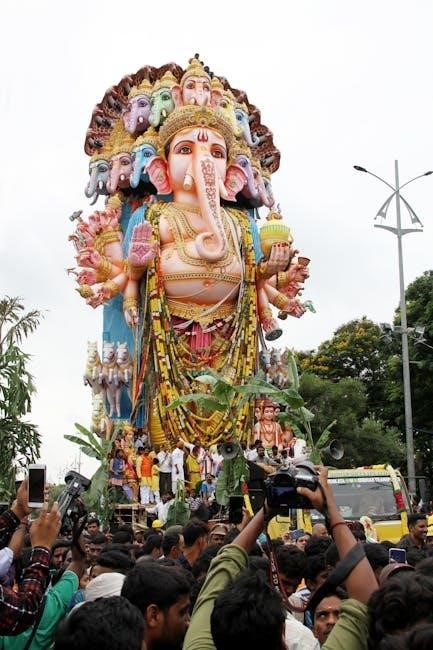
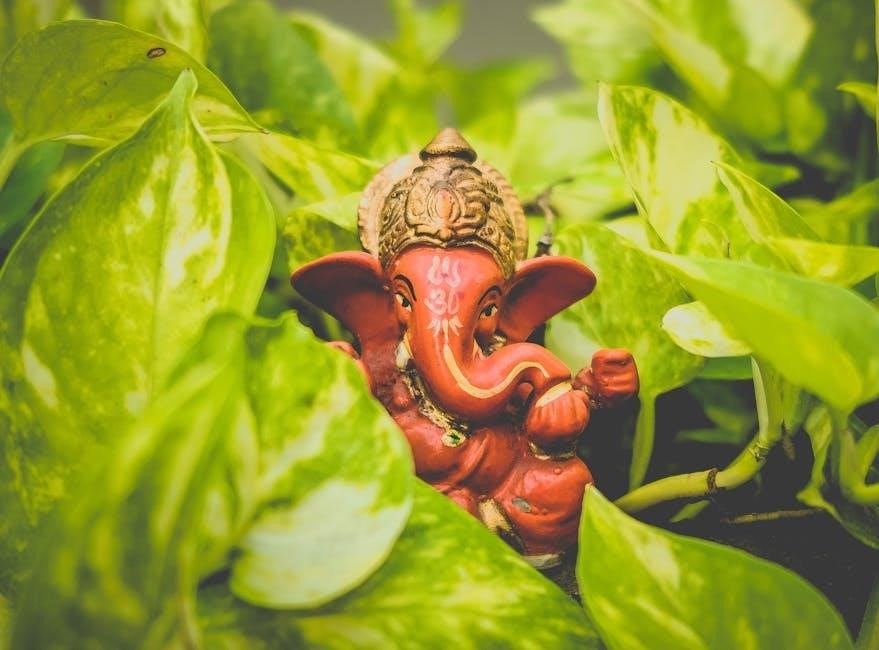
Ganesha’s prominence within Hinduism stems from his unique role as the Lord of Beginnings and the remover of obstacles. Revered as the son of Shiva and Parvati, he embodies divine wisdom and auspiciousness. His elephant head symbolizes intellect and discrimination, while his large ears signify attentive listening.
Devotees believe invoking Ganesha before any undertaking ensures success and minimizes challenges. He is not merely an obstacle remover but a facilitator of growth, both material and spiritual. The Ganesha Ashtothram, particularly in Telugu, allows devotees to connect with these qualities deeply. Accessing the text in PDF format or through apps like Stotra Nidhi enhances this connection, fostering devotion and understanding of his divine attributes within the Hindu tradition.
Understanding the Ashtothram Tradition
The Ashtothram tradition involves reciting the 108 names of a deity, a practice deeply rooted in Hindu spirituality. Each name represents a different aspect or attribute of the divine, offering a comprehensive understanding of the deity’s power and grace.
For Ganesha, the Ashtothram serves as a powerful tool for invoking his blessings and overcoming obstacles. The Telugu versions, available as PDFs and through mobile apps like Stotra Nidhi, make this practice accessible to a wider audience. Reciting these names isn’t merely rote repetition; it’s a meditative process fostering devotion and a deeper connection with Ganesha’s divine energy, enhancing spiritual growth and inner peace.

The Ganesha Ashtothram: Meaning and Structure
Explore the 108 sacred names of Ganesha, presented in Telugu PDFs and apps like Stotra Nidhi, revealing his diverse attributes and divine form.
What is the Ganesha Ashtothram?

The Ganesha Ashtothram is a revered Hindu stotra, a hymn consisting of 108 sacred names dedicated to Lord Ganesha, the remover of obstacles. These names, or namas, beautifully encapsulate Ganesha’s multifaceted personality, powers, and divine attributes.
In Telugu tradition, the Ashtothram is often recited as a devotional practice to invoke Ganesha’s blessings for success, prosperity, and spiritual growth. PDF versions and mobile applications, such as Stotra Nidhi, make accessing and reciting this powerful hymn incredibly convenient.
The practice involves chanting each of the 108 names, often accompanied by offerings and focused intention. The Telugu versions ensure accessibility for devotees who prefer to connect with the stotra in their native language, deepening their devotional experience and understanding of Ganesha’s glory.
The 108 Names of Ganesha
The 108 names within the Ganesha Ashtothram are not arbitrary; each nama reveals a specific aspect of Lord Ganesha’s divine nature. Examples include “Gajanana” (elephant-faced), “Vinayaka” (remover of obstacles), and “Vighnaraja” (lord of obstacles). These epithets highlight Ganesha’s power, wisdom, and benevolent presence.
Telugu PDFs of the Ashtothram meticulously present these names, often including transliteration to aid pronunciation for those unfamiliar with the Sanskrit verses. The names are arranged in a specific order, designed to progressively reveal Ganesha’s glory and facilitate a deeper meditative state during recitation.
Understanding the meaning behind each name enhances the devotional experience, allowing practitioners to connect with Ganesha on a more profound level. Stotra Nidhi apps often provide explanations alongside the names, enriching the practice.
The Importance of Recitation
Reciting the Ganesha Ashtothram, particularly in Telugu, is considered highly auspicious. It’s believed to invoke Ganesha’s blessings, removing obstacles – both internal and external – from one’s path to success and spiritual growth. Consistent recitation fosters inner peace and enhances wisdom, aligning the devotee with positive energies.
Telugu PDFs and mobile apps like Stotra Nidhi make regular practice accessible. The rhythmic chanting of the 108 names creates a powerful vibrational frequency, purifying the mind and promoting clarity. Devotees often recite the Ashtothram before undertaking new ventures or during challenging times.
The act of devotion itself, coupled with the sacred names, is transformative, fostering a deeper connection with the divine and unlocking inner potential.
Ganesha Ashtothram in Telugu: Specifics

Explore Telugu PDFs and the Stotra Nidhi app for convenient access to the Ganesha Ashtothram, featuring transliteration aids for accurate pronunciation and deeper understanding.
Availability of Telugu PDFs
Finding Ganesha Ashtothram texts in Telugu PDF format is increasingly accessible thanks to the digital age. Numerous websites dedicated to Hindu stotras and religious texts offer downloadable PDFs. These resources cater to devotees seeking to engage with the Ashtothram in their native language.
However, the quality and authenticity of these PDFs can vary significantly. It’s crucial to source from reputable online platforms to ensure accuracy and avoid corrupted files. Several organizations specializing in Vedic literature provide well-formatted and verified Telugu Ashtothram PDFs.
Furthermore, the Stotra Nidhi mobile application, available on both the Play Store and App Store, provides a convenient alternative to PDF downloads, offering a digital version of the Ashtothram directly on your smartphone or tablet. This app often includes additional features like audio recitation and transliteration.
Key Features of Telugu Ashtothram Texts
Telugu Ganesha Ashtothram texts commonly feature the 108 names of Lord Ganesha meticulously rendered in the Telugu script. Many PDFs include a clear transliteration, aiding pronunciation for those less familiar with the script. Some versions also provide a word-by-word meaning of each name, deepening understanding.
A notable feature is the inclusion of the namah suffix after each name – “ఓ [name] నమః” – a standard practice in stotra recitation. High-quality texts often present the names in a structured format, grouped for easier memorization and chanting.
Additionally, certain PDFs incorporate introductory verses (dhyana shlokas) invoking Ganesha’s blessings and outlining the benefits of reciting the Ashtothram. The Stotra Nidhi app enhances these features with audio pronunciations and customizable recitation settings.
Transliteration and Pronunciation Guides
Effective learning of the Ganesha Ashtothram in Telugu relies heavily on accurate transliteration and pronunciation. Many Telugu PDF resources provide Roman script transliterations alongside the Telugu text, bridging the gap for non-Telugu speakers. These guides attempt to represent the sounds phonetically, though nuances can be challenging.
However, relying solely on Roman transliteration isn’t ideal. The Stotra Nidhi mobile app offers a significant advantage with integrated audio recitations by experienced chanters, demonstrating correct pronunciation.
Understanding Telugu vowel sounds and consonant combinations is crucial. Resources often explain these, but listening to the audio is invaluable. Pay attention to the nasal sounds and the subtle variations in vowel length, as these impact the meaning and efficacy of the chant.
Benefits of Reciting Ganesha Ashtothram
Chanting the Ganesha Ashtothram removes obstacles, fosters spiritual growth, and enhances wisdom, offering success and inner peace to dedicated practitioners.
Removing Obstacles and Achieving Success
Ganesha, revered as the remover of obstacles, plays a pivotal role in Hindu traditions. Reciting the Ganesha Ashtothram, particularly in Telugu, is believed to clear pathways to success in all endeavors. This powerful stotra invokes divine intervention, dismantling challenges that impede progress, whether personal, professional, or spiritual.

The 108 names within the Ashtothram act as a potent force, dissolving negativity and fostering a conducive environment for achievement. By regularly chanting these names, devotees cultivate a mindset of optimism and resilience, enabling them to overcome hurdles with grace and determination. Accessing the Ganesha Ashtothram in Telugu PDF format or through apps like Stotra Nidhi makes this practice readily available, empowering individuals to harness Ganesha’s blessings for a fulfilling life.
Spiritual Growth and Inner Peace
The Ganesha Ashtothram, when recited in Telugu, transcends mere obstacle removal, fostering profound spiritual growth and inner peace. Chanting these 108 sacred names cultivates a deeper connection with the divine, nurturing self-awareness and promoting emotional balance. This practice encourages detachment from worldly anxieties, leading to a state of tranquility and contentment.
Regular recitation, facilitated by readily available Telugu PDFs and mobile applications like Stotra Nidhi, helps purify the mind and heart, dissolving negative patterns and fostering compassion. It’s a pathway to realizing one’s true self, diminishing ego-driven desires, and embracing a life of purpose and harmony. The Ashtothram’s vibrations resonate deeply, promoting holistic well-being.
Enhancing Wisdom and Knowledge
Reciting the Ganesha Ashtothram in Telugu isn’t solely about removing impediments; it’s a potent practice for enhancing wisdom and expanding knowledge. Ganesha, as the embodiment of intellect and discernment, bestows clarity of thought and sharpens cognitive abilities upon devoted practitioners. Accessing these verses through Telugu PDFs and apps like Stotra Nidhi makes this accessible.
The 108 names encapsulate profound philosophical insights, stimulating intellectual curiosity and fostering a deeper understanding of the universe. Consistent chanting unlocks hidden potential, improving memory, concentration, and the capacity for learning. It cultivates a receptive mind, open to new ideas and perspectives, ultimately leading to enlightened awareness and a refined intellect.
Finding and Downloading Ganesha Ashtothram in Telugu PDF
Access Telugu Ganesha Ashtothram PDFs from reliable online sources or the convenient Stotra Nidhi mobile app, ensuring authentic and accessible spiritual resources.
Reliable Online Sources
Locating authentic Ganesha Ashtothram texts in Telugu requires careful selection of online resources. Several websites specialize in providing Hindu stotras and religious materials in various Indian languages, including Telugu. When searching, prioritize platforms known for their accuracy and commitment to traditional scriptures. Look for sites offering downloadable PDFs that are clearly formatted and free from errors.
Consider exploring digital libraries and archives dedicated to preserving religious texts. These often contain scanned copies of ancient manuscripts and published books, offering a glimpse into the historical context of the Ashtothram. Always verify the source’s credibility before downloading any file, ensuring it aligns with established Hindu traditions and scholarly interpretations. Remember to scan downloaded files with antivirus software to protect your device.
Furthermore, reputable organizations focused on Hindu dharma frequently provide downloadable resources on their websites. These organizations often employ scholars and experts to ensure the accuracy and authenticity of the materials they offer.
Mobile App Availability (Stotra Nidhi)
For convenient access to the Ganesha Ashtothram in Telugu, the Stotra Nidhi mobile application presents a valuable resource. Available on both the Play Store and App Store, Stotra Nidhi offers a digital compilation of numerous stotras, including the Ganesha Ashtothram, in multiple languages. This app allows devotees to easily recite and study the 108 names of Ganesha on their smartphones or tablets.
The app typically features clear Telugu text, audio recitations, and potentially transliteration to aid pronunciation. Its portability makes it ideal for daily practice, travel, or situations where a physical book is impractical. Stotra Nidhi often includes search functionality, allowing users to quickly locate specific stotras within the extensive library.
Downloading and utilizing Stotra Nidhi provides a modern and accessible way to engage with this ancient spiritual practice.
Ensuring Authenticity of the PDF
When downloading a Ganesha Ashtothram PDF in Telugu, verifying its authenticity is crucial for accurate recitation and spiritual benefit. Numerous sources exist online, but quality can vary significantly. Prioritize PDFs originating from reputable religious organizations, established temples, or well-known publishers specializing in Hindu scriptures.
Cross-reference the text with known, verified versions available through trusted sources like the Stotra Nidhi mobile app or scholarly websites. Look for consistent transliteration, accurate Telugu script, and adherence to traditional chanting protocols. Be wary of PDFs with errors, inconsistencies, or unclear origins.
A genuine PDF will reflect the correct sequence and meaning of the 108 names, ensuring a proper and effective devotional experience.
Ganesha’s Family and Role in Hindu Mythology
Ganesha, son of Shiva and Parvati, is revered as the remover of obstacles, a central figure within the rich tapestry of Hindu beliefs.
Shiva and Parvati: Ganesha’s Parents
Lord Shiva, the destroyer within the Hindu trinity, embodies asceticism and meditation, often depicted amidst the Himalayas. His consort, Parvati, daughter of the mountains, represents shakti – divine feminine power – and is known for her devotion and strength. Their union is foundational to Hindu cosmology.
Ganesha’s birth story highlights their dynamic. Parvati created Ganesha from sandalwood paste to guard her privacy. Shiva, returning unexpectedly, encountered Ganesha and, unaware of his parentage, engaged in conflict. The resulting event led to Ganesha receiving his elephant head. This tale underscores the importance of devotion and recognizing the divine in all forms. Their pride in Ganesha’s circumambulation of them, symbolizing the universe, is a testament to their love.
Ganesha’s Relationship with Other Deities (Vishnu, Rama)
Ganesha’s role extends beyond being Shiva and Parvati’s son; he’s deeply interwoven with the broader Hindu pantheon. Lord Vishnu, the preserver, often sends avatars to restore cosmic order, and Ganesha is invoked for success in these endeavors. He’s considered essential for removing obstacles from Vishnu’s path.
Similarly, Rama, Vishnu’s celebrated avatar, relied on Ganesha’s blessings before embarking on his quest to vanquish Ravana and restore dharma. The epic Ramayana implicitly acknowledges Ganesha’s importance. Ganesha’s presence ensures auspicious beginnings and successful completion of divine tasks. His widespread worship demonstrates his universal appeal and acceptance across various Hindu sects, solidifying his position as a beloved and powerful deity.
The Story of Ganesha’s Birth and Elephant Head
Ganesha’s birth story is a captivating tale of devotion and divine intervention. Born to Shiva and Parvati, his origins are steeped in mythology. A popular narrative recounts how Parvati created Ganesha from sandalwood paste to guard her privacy. Shiva, unaware, severed Ganesha’s head, later replacing it with that of an elephant.
This act, though seemingly drastic, highlights Ganesha’s unique form and power. The elephant head symbolizes wisdom, strength, and auspiciousness. His birth story emphasizes parental love and the acceptance of divine will. Understanding this narrative enriches the appreciation of the Ganesha Ashtothram, deepening the connection to his divine essence and the devotion expressed within the Telugu PDFs and mobile applications.