The White River in Arkansas offers exceptional trout fishing‚ attracting anglers seeking big browns and rainbow trout;
Consider a guided fly fishing trip for local expertise and maximizing your success on this beautiful river.
Cotter‚ Arkansas‚ serves as a prime base for anglers‚ offering lodging and easy river access.
Experienced guides provide invaluable knowledge of techniques‚ fly selection‚ and seasonal patterns.
Rates for half-day and full-day trips vary‚ typically ranging from $430 to $610‚ inclusive of gear and instruction.
Embrace the hunt for trophy trout amidst stunning hardwood forests with a knowledgeable Arkansas guide.
Overview of the White River
The White River‚ renowned for its exceptional trout fishery‚ stretches 722 miles through Arkansas and Missouri. Originating in the Boston Mountains‚ it’s tailwater below Bull Shoals and Norfork Dams maintains consistent‚ cool temperatures ideal for trout year-round.
Once the largest settlement in the region‚ Cotter‚ Arkansas‚ now a town of under 1‚000‚ provides a convenient base for anglers. The river’s diverse sections offer varied fishing experiences‚ from fast riffles to slow‚ deep pools.
A guided fly fishing trip is highly recommended‚ leveraging local expertise to navigate the river and target trout effectively. The White River’s beauty‚ combined with abundant trout‚ makes it a premier destination for fly fishing enthusiasts;
Why Choose a Guided Fly Fishing Trip?
Navigating the White River effectively requires local knowledge. Guides possess intimate understanding of river sections‚ trout behavior‚ and optimal fly selection for varying conditions. They maximize your chances of success‚ saving time and frustration.
A guided trip provides access to prime fishing spots‚ often inaccessible to those unfamiliar with the river. Guides expertly handle boat positioning‚ casting instruction‚ and knot tying‚ enhancing your technique.
Furthermore‚ they ensure safety‚ particularly crucial in fluctuating river conditions. Investing in a guided experience transforms a fishing trip into a comprehensive learning opportunity‚ creating lasting memories on this beautiful Arkansas waterway.

Understanding the White River Trout Fishery
The White River boasts a thriving trout population‚ including Rainbow and Brown Trout. Guided trips focus on understanding seasonal patterns and river sections for optimal fishing.
Trout Species Found in the White River
The White River is renowned for its exceptional trout fishery‚ primarily supporting Rainbow and Brown Trout populations. Rainbow Trout are abundant‚ offering consistent action for anglers of all skill levels‚ and are often targeted during spring and summer months. Brown Trout‚ however‚ are the prized catch‚ growing to impressive sizes and requiring more specialized techniques.
Guided fly fishing trips often tailor strategies to target specific species based on seasonal conditions and angler preferences. Cutthroat Trout are also present‚ though less common. Understanding the behavior and habitat preferences of each species is crucial for success‚ and a skilled Arkansas guide can provide invaluable insight.
River Sections and Their Characteristics
The White River is divided into distinct sections‚ each offering unique fly fishing experiences. The Bull Shoals Lake tailwater‚ below the dam‚ maintains consistent cold water temperatures‚ supporting a thriving trout population year-round. Further downstream‚ the Crooked Creek confluence introduces warmer water and varied habitat.
Guided trips frequently focus on the tailwater section for reliable fishing‚ while experienced guides can navigate the complexities of the lower river. The river’s character shifts from fast riffles and pools to slower‚ wider stretches. Understanding these variations is key‚ and a local Arkansas guide will maximize your success.
Essential Fly Fishing Techniques for the White River
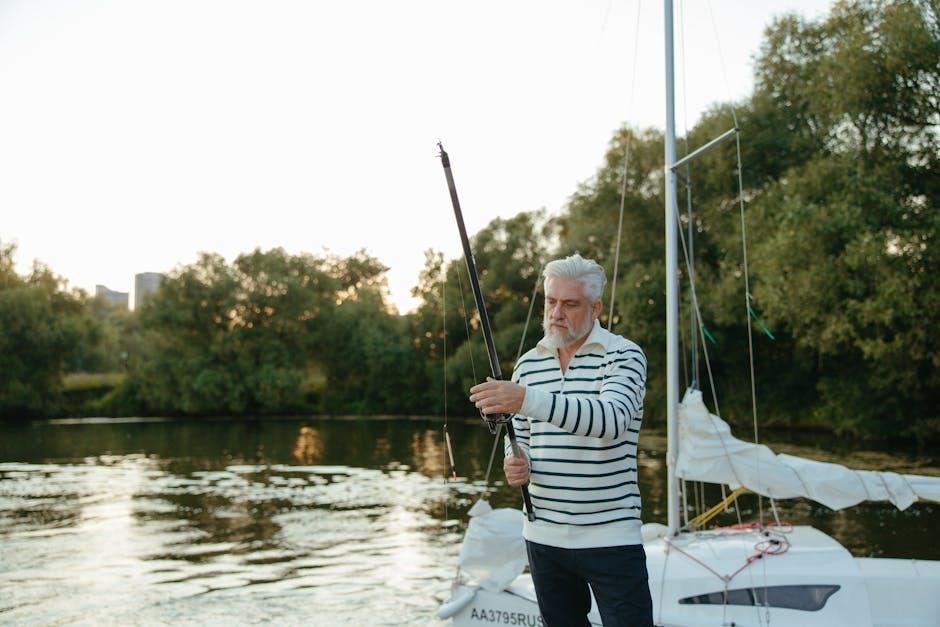
White River trout respond well to diverse techniques. Dry fly fishing excels during hatches‚ while nymphing proves effective consistently. Streamer fishing targets larger browns‚ offering thrilling action with a skilled Arkansas guide.
Dry Fly Fishing Strategies
Dry fly fishing on the White River demands precise presentation‚ matching the hatch is crucial for success. Focus on identifying prevalent insects – mayflies‚ caddis‚ and midges – and selecting imitations accordingly. A delicate presentation‚ utilizing upstream drifts and proper drag-free techniques‚ is paramount.
During prolific hatches‚ fish become selective‚ requiring accurate fly selection and subtle presentations. Arkansas guides can pinpoint prime feeding lanes and suggest effective patterns. Consider using fluorocarbon leaders to minimize visibility and enhance natural drift. Pay attention to water conditions; slower currents favor dry fly approaches‚ while faster flows may necessitate weighted patterns or shorter leaders.
Nymphing Techniques
Nymphing is often the most productive technique on the White River‚ especially when trout are feeding subsurface. Utilize indicators to detect subtle strikes‚ or employ Euro nymphing for direct contact and enhanced sensitivity. Weighted nymphs‚ such as pheasant tails‚ hare’s ears‚ and stonefly patterns‚ effectively reach deeper runs.
Arkansas guides recommend adjusting nymph weight and leader length based on water depth and current speed. Consider using a strike indicator positioned appropriately for the drift. A dead-drift presentation is essential; avoid drag by mending your line. Experiment with different nymph combinations to discover what triggers strikes.
Streamer Fishing Methods
Streamer fishing on the White River provides exciting opportunities to target larger trout with aggressive retrieves; Utilize patterns that imitate baitfish‚ such as Woolly Buggers‚ Clouser Minnows‚ and Zonkers. Vary your retrieve speed and action – slow strips‚ fast strips‚ and pauses can all be effective.
Arkansas guides suggest focusing on areas with structure‚ like submerged timber or rocky banks. Swinging streamers across currents can also entice strikes. A sinking-tip line helps get the streamer down to the fish quickly. Be prepared for powerful takes and ensure your gear is up to the challenge of landing a trophy trout.
Gear and Tackle Recommendations
Selecting the right gear is crucial for White River success. A 9-foot‚ 5 or 6-weight rod is versatile. Pair it with a matching reel and weight-forward floating line for optimal casting.
Rod and Reel Selection
Choosing the appropriate rod and reel significantly impacts your White River experience. A 9-foot‚ 5 or 6-weight fly rod offers excellent versatility for various techniques and trout sizes commonly encountered. Graphite rods provide sensitivity‚ while fiberglass offers durability – consider your preference.
Pair your rod with a matching reel capable of holding sufficient backing and fly line. Disc-drag reels are preferred for their smooth drag performance when battling larger trout. Ensure the reel is properly balanced with the rod to minimize fatigue during long fishing days.
Quality components and a comfortable grip are essential for precise casting and control. Investing in a reliable rod and reel setup will enhance your enjoyment and success on the river.
Fly Selection for Different Conditions
Matching the hatch is crucial on the White River. Carry a diverse selection of flies to adapt to changing conditions. During spring‚ focus on Blue-Winged Olives (BWOs) and Caddis patterns in sizes 14-18. Summer calls for terrestrials like hoppers and beetles‚ plus Parachute Adams.
Autumn brings Trico spins (size 20-22) and streamer fishing for aggressive browns. Winter demands midge patterns (size 22-26) and San Juan Worms. Nymphing requires Pheasant Tails‚ Hare’s Ears‚ and Copper Johns.
Streamers‚ such as Woolly Buggers and Zonkers‚ excel in stained water or when imitating baitfish. Consult with your guide for current hot flies and local knowledge.
Essential Accessories
Beyond rod‚ reel‚ and flies‚ several accessories enhance your White River experience. Polarized sunglasses are vital for spotting fish and navigating the riverbed. A quality fly line floatant maintains fly visibility. Wading boots with felt or rubber soles provide traction‚ and a wading belt ensures safety.
Consider a fly box to organize your selection‚ nippers for trimming tippet‚ and forceps for removing hooks. A waterproof backpack protects gear from the elements. Don’t forget sunscreen‚ a hat‚ and layers of clothing for fluctuating temperatures.
Finally‚ a landing net aids in safe fish handling‚ and a camera captures memorable catches.

Booking a Fly Fishing Guide
Selecting a knowledgeable White River guide is crucial for a successful trip. Look for experience‚ local expertise‚ and positive reviews.
Confirm rates‚ inclusions‚ and cancellation policies before booking your guided adventure.
What to Look for in a White River Guide
Prioritize guides with extensive White River experience and a deep understanding of its complex trout fishery. A skilled guide will adapt strategies to current conditions‚ maximizing your chances of success.
Seek individuals possessing strong knowledge of entomology – the study of insects – as this informs effective fly selection. Excellent communication skills are vital; your guide should clearly explain techniques and river dynamics.
Confirm they are licensed‚ insured‚ and proficient in safety protocols. Positive client testimonials and a commitment to ethical angling practices are also key indicators of a reputable guide. Local guides intimately know the river’s nuances‚ offering a significant advantage.
Guide Trip Rates and Packages
Typical half-day guided trips on the White River range from $430 to $535‚ while full-day excursions generally cost between $500 and $610. These rates are typically all-inclusive‚ covering the guide’s fee‚ tackle‚ and often flies.
Package options may include lodging‚ meals‚ and multiple days of guided fishing‚ offering potential cost savings. Some guides provide specialized trips focusing on specific techniques like dry fly fishing or streamer fishing.
Remember to inquire about any additional costs‚ such as fishing licenses or gratuities. Booking in advance‚ especially during peak seasons‚ is highly recommended to secure your preferred dates and guide.
Seasonal Fishing Considerations
White River fishing varies greatly by season; spring brings high flows‚ summer offers dry fly opportunities‚ fall showcases vibrant colors‚ and winter provides solitude.
Guides adapt strategies based on water levels‚ temperatures‚ and trout behavior throughout the year‚ ensuring optimal angling success.
Spring Fishing (March-May)
Spring on the White River is a dynamic time‚ characterized by increased water flows from snowmelt and rainfall. Guided trips during this period focus on nymphing techniques‚ as trout actively feed below the surface. Expect larger-than-life hatches of various insects‚ creating exciting opportunities for dry fly fishing as the water warms.
Guides expertly navigate fluctuating conditions‚ employing streamers to provoke strikes in higher flows. This season is renowned for producing trophy-sized brown trout‚ making it a favorite among experienced anglers. Be prepared for potentially challenging wading conditions and varying weather patterns. A White River guide’s expertise is invaluable during spring’s unpredictable nature.
Summer Fishing (June-August)
Summer on the White River presents unique challenges and rewards for fly fishing. Warm water temperatures necessitate early morning or late evening fishing to target active trout. Guides often employ subsurface techniques like nymphing with smaller patterns‚ focusing on shaded areas and deeper runs.
Terrestrial insect hatches become prominent‚ offering opportunities for dry fly success with attractors and imitations. Streamer fishing can also be effective‚ particularly during low-light conditions. A skilled Arkansas guide will adapt strategies to overcome warmer water and maintain consistent action. Expect larger crowds during peak season.
Fall Fishing (September-November)
Fall on the White River is a premier time for fly fishing‚ offering stable flows and cooler temperatures. The vibrant foliage adds to the scenic beauty. Guides often focus on streamer fishing as trout aggressively feed in preparation for winter. Larger browns become more active‚ increasing the chance of landing a trophy fish.
October Caddis and various mayfly hatches provide excellent dry fly opportunities. Nymphing with stonefly and midge patterns remains productive. An experienced Arkansas guide can pinpoint prime locations and adapt to changing conditions‚ ensuring a memorable angling experience during this colorful season.
Winter Fishing (December-February)
Winter fly fishing on the White River presents unique challenges and rewards. While air temperatures are cold‚ the river remains fishable due to consistent releases from Greers Ferry Dam. Guides adept at winter tactics focus on slow‚ deliberate presentations. Midge patterns and small nymphs are highly effective‚ imitating the prevalent insect life.
Streamer fishing can also produce‚ especially on warmer days. An Arkansas guide will prioritize safety‚ navigating potentially icy conditions. Expect fewer anglers and the opportunity for solitude while targeting large‚ lethargic trout seeking refuge in deeper pools. Dress warmly and prepare for a rewarding winter adventure.
Local Towns and Accommodations
Cotter‚ Arkansas‚ a charming town with under 1‚000 residents‚ is a popular angler base. Nearby towns offer diverse lodging‚ from cabins to hotels‚ supporting guided fly fishing trips.
Cotter‚ Arkansas: A Base for Anglers
Cotter‚ a historic North Arkansas town‚ provides an ideal launching point for White River fly fishing adventures. Once a bustling regional center‚ it now offers a quieter‚ more focused experience for anglers. With a population just under 1‚000‚ Cotter boasts a welcoming atmosphere and convenient access to prime fishing locations.
Numerous outfitters and fly fishing guides are based in Cotter‚ offering full-service guided trips and expert advice. You’ll find a range of lodging options‚ including riverside cabins‚ comfortable motels‚ and bed-and-breakfasts‚ catering to various budgets. The town’s proximity to the river and its concentration of fishing professionals make it a central hub for experiencing the best of the White River fishery.
Other Nearby Towns and Lodging Options
Beyond Cotter‚ several other towns offer convenient access to the White River and a variety of lodging choices for fly fishing enthusiasts. Mountain Home‚ a larger city approximately 30 minutes away‚ provides a wider range of hotels‚ restaurants‚ and shopping opportunities. Buffalo City and Pyatt also offer smaller‚ more secluded lodging options closer to specific river sections.
Consider exploring cabins and vacation rentals along the river for a more immersive experience. Many guides can recommend preferred lodging partners‚ ensuring a comfortable and convenient stay. These towns provide alternative bases for exploring the entire White River system‚ catering to diverse preferences and budgets for your Arkansas angling adventure.
Safety and Regulations

Arkansas requires a valid fishing license for all anglers. Prioritize river safety: wear waders with felt soles‚ and a personal flotation device.
Be aware of changing water conditions and respect the environment.
Arkansas Fishing License Requirements
Obtaining an Arkansas fishing license is crucial before casting a line in the White River. Residents and non-residents alike must possess a valid license‚ easily purchased online through the Arkansas Game and Fish Commission (AGFC) website. Several license options cater to different fishing durations and angler types.
A one-day license is available for short visits‚ while annual resident and non-resident licenses offer extended fishing privileges. Trout permits are also required for specific areas of the White River‚ including those below Bull Shoals and Norfork dams. Ensure you understand the specific regulations pertaining to the section of river you intend to fish.
Guides often assist clients with understanding license requirements‚ but ultimately‚ it’s the angler’s responsibility to comply with all Arkansas fishing laws. Failure to do so can result in fines and other penalties. Always carry your license while fishing and be prepared to present it to an AGFC enforcement officer if requested.
River Safety Tips
Fly fishing the White River demands respect for its currents and conditions; Always wear a Personal Flotation Device (PFD)‚ especially when wading‚ as river flows can change rapidly. Be mindful of slippery rocks and uneven riverbeds; sturdy wading boots with felt or rubber soles are essential.
Check the USGS river flow data before your trip to understand current conditions. Avoid fishing during periods of high water or generation releases from the dams. Be aware of changing weather patterns and potential for flash floods. Inform someone of your fishing plans and estimated return time.
Guides prioritize safety and will provide specific instructions for navigating the river. Carry a whistle and a waterproof bag for essential items. Practice situational awareness and avoid wading alone in unfamiliar areas. Respect the river and prioritize your well-being for an enjoyable fishing experience.