Software work instructions are crucial for process improvement across industries‚ offering diverse approaches like SOPs and digital systems. They enhance operational efficiency and streamline workflows‚ as seen in various business functions.
Today’s date is 12/21/2025 19:21:16 ()‚ reflecting the evolving landscape of work instruction management software.
What are Software Work Instructions?
Software work instructions are documented procedures detailing how to perform specific tasks within software applications or systems. They bridge the gap between general software knowledge and practical application‚ ensuring consistency and accuracy in execution. These instructions aren’t merely user manuals; they are tailored guides for how your organization utilizes the software.
They encompass a range of formats‚ from Standard Operating Procedures (SOPs) to visual guides and integrated digital systems. Effective instructions clarify each step‚ minimizing errors and maximizing productivity. They are essential for onboarding new employees‚ training existing staff on updates‚ and maintaining compliance with industry standards. As of May 22‚ 2025‚ leveraging software for these instructions is becoming increasingly vital.
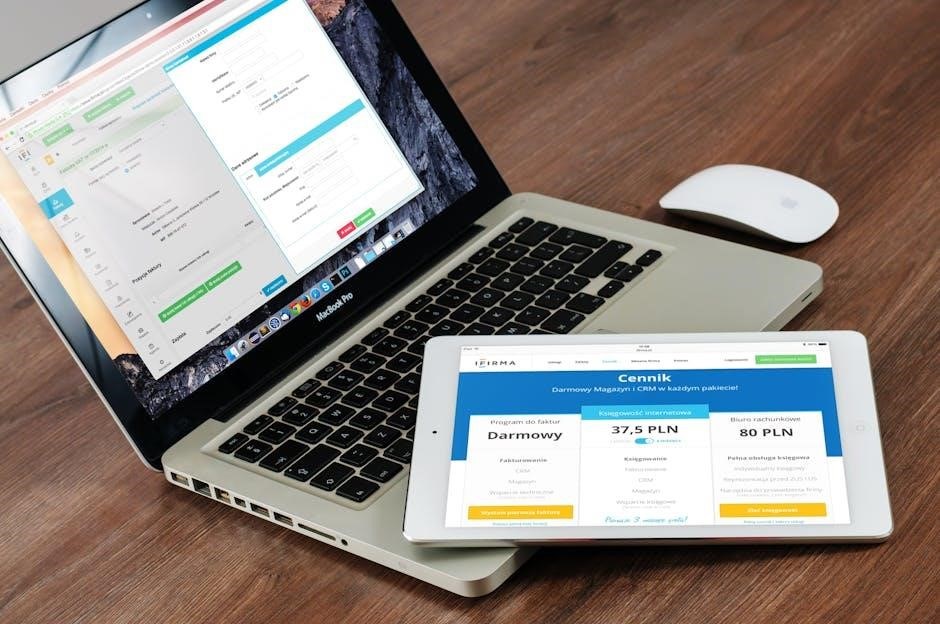
They are not just about what to do‚ but how to do it within a specific context.
Why are Software Work Instructions Important?
Software work instructions are paramount for boosting quality‚ safety‚ and organizational compliance. They minimize errors stemming from inconsistent application of software‚ leading to improved operational efficiency and reduced costs. Clear instructions facilitate faster onboarding of new team members and streamline training for software updates.
Furthermore‚ well-defined instructions are crucial for maintaining audit trails and demonstrating adherence to regulatory requirements. Utilizing software solutions like ClickUp‚ identified as a top pick in February 2025‚ enhances accessibility and version control. They empower employees to perform tasks confidently and independently‚ fostering a more productive and reliable work environment. Ignoring these instructions can lead to network errors and software conflicts‚ as highlighted in recent troubleshooting reports.
They are a cornerstone of effective software utilization.

Types of Software Work Instructions
Software work instructions encompass diverse formats: Standard Operating Procedures (SOPs)‚ checklists‚ visual guides‚ and flowcharts‚ each offering unique benefits for process clarity and efficiency.
Standard Operating Procedures (SOPs)
Standard Operating Procedures (SOPs) represent a foundational type of software work instruction. They are detailed‚ written instructions outlining the steps required to complete a specific task consistently. SOPs are vital for maintaining quality‚ ensuring compliance‚ and minimizing errors within software-related processes.
Effective SOPs for software often include a clear purpose‚ scope‚ detailed step-by-step instructions‚ responsible parties‚ and revision history. They are particularly useful for repetitive tasks‚ onboarding new employees‚ and documenting complex procedures.
While comprehensive‚ SOPs can sometimes be lengthy and require regular updates to remain relevant. They are often complemented by other instruction types‚ like checklists and visual guides‚ to enhance understanding and usability. Their importance is highlighted by the need for consistent processes in today’s digital environment.
Checklists
Checklists serve as concise software work instructions‚ offering a streamlined method for verifying task completion. They are particularly effective for procedures with multiple steps where omissions can lead to errors. A well-designed checklist ensures all critical actions are performed in the correct sequence.
Unlike detailed SOPs‚ checklists focus on confirming that each step has been done‚ rather than explaining how to do it. This makes them ideal for experienced users or tasks requiring frequent repetition. They are easily adaptable and can be quickly updated to reflect process changes.
Checklists are often used in conjunction with SOPs‚ providing a quick verification tool after following the detailed instructions. They contribute to improved accuracy and reduced risk in software operations.
Visual Work Instructions
Visual work instructions leverage images‚ screenshots‚ and videos to guide users through software processes. They are exceptionally effective for tasks that are difficult to describe with text alone‚ or for users who benefit from a more intuitive learning style. These instructions minimize ambiguity and reduce the potential for misinterpretation.
Compared to text-heavy documents‚ visual guides often lead to faster comprehension and improved task performance. They are particularly valuable for complex software applications with intricate interfaces. Incorporating annotations and callouts directly onto screenshots clarifies specific actions.
Effective visual instructions are concise and focus on the essential steps‚ avoiding unnecessary detail. They complement other instruction types‚ enhancing overall clarity and usability.
Flowcharts
Flowcharts are powerful visual tools for representing software processes as a sequence of steps and decisions. They utilize standardized symbols to illustrate the flow of actions‚ making complex workflows easier to understand. This is particularly useful when documenting software procedures with multiple branching paths or conditional logic.
A well-designed flowchart clearly outlines each step‚ including inputs‚ outputs‚ and decision points. They help identify potential bottlenecks or inefficiencies within a software process. Flowcharts are beneficial for both creating and following work instructions‚ promoting consistency and reducing errors.
They provide a high-level overview‚ allowing users to quickly grasp the overall process before diving into detailed instructions.

Software Solutions for Creating Work Instructions
Various software options‚ like ClickUp‚ NVivo‚ dedicated work instruction platforms‚ and knowledge base software‚ assist in creating and managing effective software work instructions for teams.
ClickUp
ClickUp stands out as a robust solution for crafting and overseeing seamless work instructions‚ functioning exceptionally well as a knowledge base software. Long-time advocates praise its capabilities in this area‚ highlighting its central role in boosting productivity.
The platform excels at creating detailed documentation‚ ensuring clarity and accessibility for all team members. It’s particularly useful for building comprehensive knowledge repositories‚ making information readily available when needed. ClickUp’s features support collaborative editing‚ version control‚ and easy search functionality‚ streamlining the entire work instruction process.
Its versatility allows adaptation to various workflows‚ making it a valuable asset for organizations seeking to improve operational efficiency through well-defined instructions.
NVivo
NVivo is a powerful qualitative data analysis software‚ capable of processing non-numerical information. While not traditionally viewed as a work instruction tool‚ its analytical capabilities can be leveraged to refine and improve the creation of effective instructions.
It allows users to analyze feedback on existing instructions‚ identify areas of confusion‚ and understand how users interact with the documentation. This insight is invaluable for optimizing clarity and usability. NVivo’s ability to handle complex data sets makes it suitable for analyzing large volumes of user feedback or observational data related to work processes.
Ultimately‚ it supports a data-driven approach to work instruction development‚ ensuring instructions are truly effective.
Dedicated Work Instruction Software
Dedicated work instruction software focuses specifically on creating‚ managing‚ and delivering standardized work procedures. These platforms often include features tailored for visual instruction‚ version control‚ and real-time updates‚ ensuring employees always access the most current information.
They typically support multimedia integration – screenshots‚ videos‚ and interactive elements – enhancing comprehension and reducing errors. These systems prioritize accessibility and compliance‚ offering audit trails and digital signature capabilities.
Compared to general knowledge bases‚ dedicated software streamlines the entire work instruction lifecycle‚ boosting quality‚ safety‚ and overall operational efficiency within an organization.
Knowledge Base Software
Knowledge base software‚ like ClickUp‚ can effectively manage software work instructions‚ though not exclusively designed for them. These platforms excel at centralizing information‚ making it searchable and accessible to all employees. They often support rich text formatting‚ image embedding‚ and collaborative editing‚ facilitating instruction creation and maintenance.
While potentially requiring more customization than dedicated solutions‚ knowledge bases offer flexibility and integration with existing workflows. They are particularly useful for organizations already utilizing such a system for broader documentation needs.
Effectively‚ they serve as a central repository for all procedural knowledge‚ including detailed software guidance.

Key Elements of Effective Software Work Instructions
Effective instructions require clear language‚ step-by-step guidance‚ and visual aids like screenshots or videos. Troubleshooting tips are also essential for user success.
Clear and Concise Language
Utilizing plain language is paramount when crafting software work instructions. Avoid technical jargon or overly complex sentence structures that could confuse users. Instructions should be direct and to the point‚ focusing on the essential steps required to complete a task.
Ambiguity must be eliminated; each instruction should have only one possible interpretation. Employ active voice and avoid passive constructions to enhance clarity. Consider the audience’s technical proficiency and tailor the language accordingly.
Conciseness is equally important. Eliminate unnecessary words and phrases without sacrificing clarity. Well-written instructions respect the user’s time and minimize the potential for errors. Remember‚ the goal is to facilitate understanding and efficient task completion.
Step-by-Step Instructions
Detailed‚ sequential guidance is the cornerstone of effective software work instructions. Break down complex tasks into manageable‚ numbered steps. Each step should represent a single‚ actionable item. Begin with the prerequisite conditions and clearly define the expected outcome of each action.
Avoid assuming prior knowledge; even seemingly obvious steps should be included. Use imperative verbs (“Click‚” “Enter‚” “Select”) to clearly indicate the required action. Maintain a logical flow‚ ensuring each step builds upon the previous one.
Thorough step-by-step instructions minimize errors and promote consistency‚ leading to improved efficiency and reduced training time. They empower users to confidently navigate software processes.
Visual Aids (Screenshots‚ Videos)
Integrating visuals dramatically enhances software work instruction clarity. Screenshots pinpoint specific interface elements‚ guiding users directly to the correct location. Highlight key areas with callouts or annotations to draw attention to critical details. Videos are invaluable for demonstrating dynamic processes or complex workflows that are difficult to explain with text alone.
Ensure visuals are high-resolution and properly sized for easy viewing. Keep videos concise and focused‚ avoiding unnecessary narration or distractions. Combine screenshots and videos strategically to cater to different learning styles.
Visuals reduce ambiguity and accelerate comprehension‚ ultimately improving user performance and reducing support requests.
Troubleshooting Tips
Effective software work instructions proactively address potential issues. Include a dedicated troubleshooting section outlining common errors and their solutions. Detail steps to resolve connection errors‚ driver compatibility problems‚ and software conflicts – referencing AMD software compatibility tools as an example.
Clearly explain how to handle access restrictions‚ including necessary permissions or credentials. Provide specific error messages and corresponding corrective actions. Encourage users to check network connectivity and software updates.
A well-crafted troubleshooting guide empowers users to self-resolve issues‚ minimizing downtime and reducing the burden on support teams.

Best Practices for Writing Software Work Instructions
Prioritize audience analysis‚ rigorous testing‚ and version control for effective instructions. Ensure accessibility and follow tips for creating easily followed‚ clear documentation.
Audience Analysis
Understanding your audience is paramount when crafting software work instructions. Consider their existing technical skill level – are they novice users or experienced professionals? Tailor the language and complexity accordingly. Avoid jargon unfamiliar to the intended users‚ and define any necessary technical terms clearly.
Furthermore‚ analyze their roles and responsibilities within the organization. What specific tasks will they be performing using these instructions? Focus on the steps directly relevant to their duties‚ avoiding unnecessary information that could cause confusion.
A well-defined audience profile ensures the instructions are both comprehensible and applicable‚ maximizing efficiency and minimizing errors. Remember‚ effective communication bridges the gap between knowledge and execution.
Testing and Revision
Rigorous testing is vital for ensuring the accuracy and usability of software work instructions. Involve representative users in the testing process‚ observing them as they follow the instructions to identify any ambiguities or pain points.
Gather feedback through surveys or interviews‚ specifically asking about clarity‚ completeness‚ and ease of understanding. Based on this feedback‚ revise the instructions iteratively‚ addressing any identified issues.
Don’t assume instructions are perfect after the first draft; continuous improvement is key. Regular revisions‚ incorporating user input‚ guarantee the instructions remain effective and aligned with evolving software functionality and user needs.
Version Control
Maintaining robust version control is paramount when managing software work instructions. As software updates and processes evolve‚ instructions must be updated accordingly. Implement a clear system for tracking changes‚ including date stamps‚ author identification‚ and a concise description of modifications.
Utilize features within software solutions like ClickUp or dedicated work instruction platforms to manage revisions effectively. Avoid overwriting previous versions; instead‚ create new versions to preserve a historical record of changes.
This allows for easy rollback to previous iterations if needed and provides an audit trail for compliance purposes. Proper version control ensures users always access the most current and accurate instructions.
Accessibility Considerations
Ensuring accessibility in software work instructions is vital for inclusivity and compliance. Design instructions to be usable by individuals with diverse abilities. This includes providing alternative text for images‚ using sufficient color contrast‚ and offering captions for videos.
Consider users who rely on screen readers or other assistive technologies. Structure content logically with clear headings and avoid complex layouts. Offer instructions in multiple formats‚ such as text-based documents and visual guides‚ to cater to different learning preferences.
Prioritizing accessibility benefits all users‚ improving comprehension and reducing errors. Adhering to accessibility standards demonstrates a commitment to equal opportunity and user experience.

Advanced Features in Software Work Instruction Tools
Modern tools offer digital signatures‚ audit trails‚ real-time collaboration‚ system integration‚ and analytics for enhanced instruction management and process improvement.
Digital Signatures & Audit Trails
Digital signatures within software work instruction tools provide irrefutable proof of instruction review and acknowledgement‚ ensuring accountability and compliance. This feature is vital for regulated industries requiring documented adherence to procedures.
Audit trails meticulously record all changes made to work instructions‚ including who made the changes‚ when‚ and what specifically was altered. This detailed history is invaluable for identifying errors‚ tracking revisions‚ and demonstrating adherence to quality standards.
These features collectively enhance transparency‚ reduce risk‚ and facilitate efficient audits‚ ultimately bolstering operational integrity and minimizing potential liabilities. They are key components of robust work instruction management systems.
Real-time Collaboration
Real-time collaboration features in modern software work instruction tools revolutionize how teams create‚ review‚ and update procedures. Multiple users can simultaneously access and edit instructions‚ fostering seamless teamwork and accelerating the development process.
This functionality eliminates version control issues and reduces communication bottlenecks‚ ensuring everyone works with the most current information. Integrated commenting and feedback mechanisms allow for direct discussion within the instructions themselves‚ streamlining the review cycle.
Such collaborative capabilities are particularly beneficial for geographically dispersed teams‚ promoting efficiency and knowledge sharing‚ ultimately leading to more accurate and effective work instructions.
Integration with Other Systems
Seamless integration with existing business systems is a key advantage of advanced software work instruction tools. Connecting with platforms like CRM‚ ERP‚ and quality management systems streamlines workflows and eliminates data silos.
This integration allows for automated updates‚ ensuring work instructions reflect the latest process changes and product specifications. It also enables traceability‚ linking instructions to specific tasks‚ training records‚ and audit trails.
Furthermore‚ integration facilitates data-driven improvements by providing insights into instruction usage and effectiveness. By connecting work instructions to broader business processes‚ organizations can optimize performance and enhance compliance.
Analytics & Reporting
Robust analytics and reporting features are vital for continuously improving software work instructions. These tools provide valuable insights into instruction usage‚ completion rates‚ and employee performance.
Key metrics include time spent on tasks‚ error rates‚ and areas where employees require additional support. This data helps identify gaps in training or areas where instructions need clarification.
Reporting capabilities allow organizations to track compliance‚ demonstrate process adherence‚ and identify trends. Analyzing this information enables proactive adjustments to work instructions‚ leading to increased efficiency‚ reduced errors‚ and improved quality control. Data-driven decisions are paramount.

Troubleshooting Common Software Work Instruction Issues
Common issues include connection errors‚ driver compatibility problems‚ software conflicts‚ and access restrictions. Utilizing compatibility tools and updating drivers can resolve many of these challenges.
Connection Errors
Connection errors within software work instruction systems can stem from various sources‚ disrupting access and workflow. A frequent cause is a network interruption‚ requiring verification of internet connectivity and network device status. Sometimes‚ the issue arises from the software itself‚ manifesting as a “Software caused connection abort” error‚ as reported by some users.
Troubleshooting involves checking firewall settings to ensure the software isn’t blocked‚ and verifying server status if the instructions are hosted remotely. Compatibility issues with AMD software have also been noted‚ suggesting the use of AMD’s compatibility tool to install a suitable software version. Restarting the application or the entire system can often resolve temporary glitches.
If problems persist‚ consulting the software’s documentation or support channels is recommended.
Driver Compatibility
Driver compatibility is a critical factor when implementing software work instruction tools‚ particularly concerning graphics and hardware interactions. Issues can arise when the software relies on specific driver versions that conflict with those currently installed on a user’s system.
A reported scenario involves unexpected errors with AMD graphics cards‚ prompting users to utilize the AMD Software Compatibility Tool. This tool automatically identifies and installs compatible AMD Software versions‚ resolving driver-related conflicts. Ensuring drivers are up-to-date is generally advisable‚ but sometimes‚ reverting to a previous stable version can be necessary.

Regularly checking for driver updates from the hardware manufacturer and the software vendor is crucial for maintaining optimal performance and preventing compatibility issues.
Software Conflicts
Software conflicts can disrupt the functionality of work instruction software‚ leading to instability or errors. These conflicts often occur when multiple applications attempt to access the same system resources or when incompatible software components interact. A specific instance reported a “Network error: Software caused connection abort” message‚ indicating a potential conflict hindering network communication.
Troubleshooting often involves identifying recently installed software or updates that might be causing the issue. Temporarily disabling non-essential applications can help isolate the conflicting program. Examining system logs and event viewers can provide clues about the source of the conflict.
Ensuring compatibility and avoiding simultaneous execution of conflicting software is vital for smooth operation.
Access Restrictions
Access restrictions within software work instruction systems are critical for data security and compliance. These limitations control which users can view‚ edit‚ or execute specific instructions‚ safeguarding sensitive information and preventing unauthorized modifications. Issues can arise if user permissions are incorrectly configured‚ preventing authorized personnel from accessing necessary documentation.
Troubleshooting access problems involves verifying user roles and permissions within the software’s administration settings. Confirming that users are assigned to the appropriate groups with the correct access levels is essential. Network configurations and firewall settings can also inadvertently block access.
Properly managed access controls ensure data integrity and accountability.

Future Trends in Software Work Instructions
Emerging trends include AI-powered instruction generation‚ augmented reality integration‚ personalized learning paths‚ and enhanced remote support capabilities‚ revolutionizing how work is documented and executed.
AI-Powered Instruction Generation
Artificial intelligence (AI) is poised to dramatically reshape software work instruction creation. Imagine systems that automatically generate step-by-step guides based on observing user actions or analyzing existing process data. This moves beyond manual documentation‚ reducing errors and saving significant time.
AI can analyze software interfaces and automatically create screenshots with annotations‚ building instructions without human intervention. Furthermore‚ AI can personalize instructions based on user roles and skill levels‚ ensuring clarity and comprehension. The technology can also translate instructions into multiple languages instantly‚ supporting global teams.
These AI-driven tools promise to make work instructions more dynamic‚ accurate‚ and accessible‚ ultimately boosting productivity and reducing training costs. The future involves intelligent systems that learn and adapt‚ continuously improving the quality of guidance provided to users.
Augmented Reality (AR) Integration
Augmented Reality (AR) offers a revolutionary approach to software work instructions‚ moving beyond static guides to immersive‚ interactive experiences. Imagine technicians using tablets or smart glasses to view digital instructions overlaid directly onto the physical equipment they’re working with.
AR can highlight specific components‚ guide users through disassembly/assembly processes‚ and provide real-time feedback on task completion. This “see-what-I-do” approach significantly reduces errors and accelerates training. AR eliminates ambiguity by visually demonstrating each step‚ making complex procedures easier to understand.
The integration of AR with work instruction software promises to enhance worker safety‚ improve first-time fix rates‚ and reduce reliance on expert assistance. It’s a powerful tool for remote support‚ allowing experts to virtually guide technicians through challenging tasks.
Personalized Learning Paths
Personalized learning paths within software work instruction systems represent a shift towards adaptive training. Instead of a one-size-fits-all approach‚ these systems assess an individual’s skill level and tailor the instruction accordingly. New hires might receive comprehensive‚ step-by-step guidance‚ while experienced technicians could access condensed‚ task-specific instructions.
This customization improves knowledge retention and reduces training time. Software can track user progress‚ identify areas of weakness‚ and automatically adjust the learning path to address those gaps. This ensures that each employee receives the support they need to succeed.
Personalized paths enhance engagement and empower employees to learn at their own pace‚ fostering a more effective and efficient workforce.
Remote Support Capabilities
Remote support capabilities are becoming increasingly vital in software work instruction‚ especially with distributed teams. Integrated tools allow experts to remotely guide technicians through complex procedures in real-time. This can involve screen sharing‚ annotation‚ and even augmented reality overlays‚ providing visual assistance directly within the work instruction interface.
Such features minimize downtime and reduce the need for costly on-site visits. Technicians can quickly resolve issues with expert guidance‚ improving first-time fix rates. Remote support also facilitates knowledge transfer‚ empowering employees to handle similar challenges independently in the future.
Effective remote support strengthens collaboration and ensures consistent performance‚ regardless of location.