Oxford Handbook of Clinical Medicine PDF: A Comprehensive Article Plan
The Oxford Handbook of Clinical Medicine PDF, a vital resource, sees frequent updates – the 11th edition released June 6, 2024.
Numerous online sources offer PDF downloads, including versions from 2014 and 2025, catering to medical students and professionals alike.
The Oxford Handbook of Clinical Medicine stands as a cornerstone resource for medical professionals globally, renowned for its concise yet comprehensive coverage of medical knowledge. Frequently updated, with the latest 11th edition appearing on June 6, 2024, it’s a continually evolving guide.
Its enduring popularity stems from its practical, point-of-care approach, making it invaluable for busy clinicians and students. The handbook’s structure facilitates rapid information retrieval, crucial in fast-paced clinical settings.
Accessibility is further enhanced by the availability of the Oxford Handbook of Clinical Medicine PDF format, allowing for convenient offline access and portability. Various editions, including those from 2014, are readily found online, demonstrating its sustained relevance. It’s a trusted companion throughout medical training and practice, offering a distillation of essential clinical information.
Historical Context and Evolution of the Handbook
The Oxford Handbook of Clinical Medicine didn’t emerge overnight; it evolved from a need for a readily accessible, condensed medical reference. Early iterations, though less comprehensive than today’s versions, aimed to provide clinicians with essential information at the point of care. The handbook’s journey reflects advancements in medical knowledge and pedagogical approaches.
Over decades, successive editions incorporated new research, diagnostic criteria, and treatment guidelines. The shift towards evidence-based medicine significantly shaped its content. The advent of digital formats, including the Oxford Handbook of Clinical Medicine PDF, broadened its reach and usability.
The availability of PDF versions, dating back to editions like those from 2014, illustrates the handbook’s adaptation to changing technological landscapes. Each edition builds upon its predecessor, solidifying its position as a leading clinical resource, continually refined to meet the evolving needs of healthcare professionals.
The Latest Edition (11th Edition — June 6, 2024) — Key Updates

The 11th Edition of the Oxford Handbook of Clinical Medicine, released on June 6, 2024, represents a significant update to this cornerstone resource. Key improvements focus on integrating the latest clinical guidelines and research findings across all specialties. Updates reflect advancements in areas like genomics, personalized medicine, and digital health.
The Oxford Handbook of Clinical Medicine PDF version of this edition boasts enhanced navigation and search functionality, improving usability for quick reference. New chapters address emerging infectious diseases and evolving approaches to chronic disease management. Emphasis is placed on practical, bedside application of knowledge.
Furthermore, the 11th edition features revised illustrations and algorithms, aiding in rapid understanding and decision-making. The digital PDF format allows for easy access to supplementary online materials, ensuring clinicians have the most current information available.
Target Audience: Who Benefits from This Handbook?
The Oxford Handbook of Clinical Medicine PDF is primarily designed for medical students, serving as an invaluable companion throughout their training. Junior doctors find it essential for quick reference and clinical decision-making during rotations. The handbook’s comprehensive scope also benefits specialist trainees preparing for examinations and advanced practice.
However, its utility extends beyond those in formal training. General practitioners and other healthcare professionals utilize the Oxford Handbook to stay current with best practices and evidence-based medicine. Nurses, physician assistants, and allied health professionals also benefit from its concise and accessible information.
Essentially, anyone involved in direct patient care who requires a readily available, authoritative source of clinical knowledge will find the PDF version of this handbook to be an indispensable tool.
Core Sections and Content Overview

The Oxford Handbook of Clinical Medicine PDF is structured into comprehensive sections covering nearly all medical specialties. Core areas include detailed chapters on cardiology, respiratory medicine, gastroenterology, nephrology, endocrinology, and neurology. Dedicated sections address psychiatry, infectious diseases, rheumatology, haematology, and oncology, providing a holistic view of patient care.
Furthermore, the handbook includes robust coverage of surgical specialties, obstetrics, gynaecology, paediatrics, emergency medicine, and critical care. A significant portion is devoted to clinical skills and procedures, offering practical guidance for everyday practice.
The latest editions, like the June 6, 2024 release, integrate updated guidelines and evidence-based recommendations, ensuring clinicians have access to the most current medical information in a portable PDF format.
Cardiology and Cardiovascular Medicine
Within the Oxford Handbook of Clinical Medicine PDF, the Cardiology and Cardiovascular Medicine section delivers a detailed exploration of heart-related conditions. It covers a broad spectrum, from common ailments like hypertension and arrhythmias to more complex issues such as heart failure, valvular disease, and congenital heart defects.
The handbook provides practical guidance on diagnostic techniques, including ECG interpretation, echocardiography, and cardiac catheterization. Management strategies for both acute and chronic cardiovascular conditions are thoroughly outlined, reflecting current best practices.
Recent updates within the PDF, such as those in the June 6, 2024 edition, incorporate the latest guidelines on lipid management and antithrombotic therapy, ensuring clinicians have access to cutting-edge information for optimal patient care.
Respiratory Medicine
The Oxford Handbook of Clinical Medicine PDF’s Respiratory Medicine section offers comprehensive coverage of pulmonary diseases and conditions; It details the diagnosis and management of common respiratory illnesses like asthma, chronic obstructive pulmonary disease (COPD), and pneumonia, alongside rarer and more complex cases.
Clinicians will find detailed guidance on interpreting pulmonary function tests, chest X-rays, and CT scans. The handbook emphasizes a practical approach to patient care, outlining strategies for acute respiratory distress, ventilation management, and long-term disease control.
The latest PDF editions, including the June 6, 2024 release, integrate updated guidelines on managing respiratory infections and addressing the evolving challenges of air pollution and its impact on respiratory health, ensuring current best practices.
Gastroenterology and Hepatology
The Oxford Handbook of Clinical Medicine PDF provides a robust overview of Gastroenterology and Hepatology, crucial for diagnosing and treating digestive system disorders. It covers common conditions like irritable bowel syndrome (IBS), inflammatory bowel disease (IBD), and peptic ulcer disease, alongside more complex hepatic illnesses like cirrhosis and hepatitis.
The handbook details the interpretation of endoscopic findings, liver function tests, and imaging studies. It emphasizes a practical, evidence-based approach to patient management, including nutritional support, pharmacological interventions, and surgical considerations.

Recent PDF updates, such as the June 6, 2024 edition, incorporate the latest guidelines on managing non-alcoholic fatty liver disease (NAFLD) and advancements in hepatological therapies, ensuring clinicians have access to current best practices.
Nephrology and Urology
The Oxford Handbook of Clinical Medicine PDF delivers comprehensive guidance on Nephrology and Urology, essential for addressing kidney and urinary tract diseases. It details the evaluation of acute kidney injury (AKI), chronic kidney disease (CKD), and glomerular disorders, alongside management strategies including dialysis and transplantation.
Urological coverage encompasses benign prostatic hyperplasia (BPH), urinary tract infections (UTIs), and various urological cancers. The handbook emphasizes interpreting urinalysis, renal function tests, and imaging modalities like ultrasound and CT scans.
Updated PDF versions, like the latest released on June 6, 2024, reflect current guidelines on managing hypertension in CKD and advancements in minimally invasive urological techniques, providing clinicians with up-to-date, practical information.
Endocrinology and Diabetes
The Oxford Handbook of Clinical Medicine PDF provides a robust section on Endocrinology and Diabetes, crucial for managing hormonal disorders and metabolic diseases. It covers the diagnosis and treatment of diabetes mellitus (Type 1 & 2), thyroid disorders, adrenal insufficiency, and pituitary gland dysfunction.
Detailed guidance is offered on interpreting endocrine function tests, managing diabetic emergencies like ketoacidosis, and implementing long-term diabetes management plans. The handbook also addresses osteoporosis, polycystic ovary syndrome (PCOS), and growth disorders.
Recent PDF updates, including the June 6, 2024 edition, incorporate the latest guidelines on continuous glucose monitoring (CGM) and novel diabetes medications, ensuring clinicians have access to current best practices for optimal patient care.
Neurology
The Oxford Handbook of Clinical Medicine PDF delivers a comprehensive Neurology section, essential for diagnosing and managing disorders of the nervous system. It details the assessment of common neurological symptoms like headache, dizziness, weakness, and sensory changes, alongside guidance on performing a thorough neurological examination.
Coverage extends to stroke management, epilepsy, multiple sclerosis, Parkinson’s disease, and peripheral neuropathy. The handbook provides practical advice on interpreting neuroimaging (CT, MRI) and electrophysiological studies (EEG, EMG).
Updated PDF versions, such as the June 6, 2024 edition, reflect advancements in acute stroke therapies and disease-modifying treatments for neurological conditions, equipping clinicians with the latest knowledge for effective patient care and improved outcomes.
Psychiatry
The Oxford Handbook of Clinical Medicine PDF’s Psychiatry section offers a practical guide to assessing and managing mental health conditions. It covers common presentations like depression, anxiety, psychosis, and bipolar disorder, detailing diagnostic criteria based on established classifications.
The handbook provides guidance on conducting mental state examinations, risk assessment, and formulating management plans, including pharmacological and psychological interventions. Specific attention is given to crisis intervention and the management of acute psychiatric emergencies.
Recent PDF updates, like the June 6, 2024 edition, incorporate evolving understandings of neurobiological factors in mental illness and evidence-based approaches to treatment, ensuring clinicians have access to current best practices for holistic patient care.
Infectious Diseases

The Oxford Handbook of Clinical Medicine PDF’s Infectious Diseases section delivers a comprehensive overview of bacterial, viral, fungal, and parasitic infections. It details clinical presentations, diagnostic approaches utilizing laboratory testing, and evidence-based treatment guidelines, frequently updated in newer PDF versions.
The handbook covers both common and emerging infectious diseases, including those with global health significance. It emphasizes infection control measures, vaccination strategies, and the appropriate use of antimicrobial agents, addressing antibiotic resistance concerns.
The latest editions, such as the June 6, 2024 release, incorporate current information on outbreaks, novel pathogens, and evolving resistance patterns, providing clinicians with essential knowledge for effective patient management and public health responses.
Rheumatology and Immunology
The Oxford Handbook of Clinical Medicine PDF provides a robust section on Rheumatology and Immunology, crucial for diagnosing and managing autoimmune and inflammatory conditions. It details the clinical features, diagnostic criteria, and treatment algorithms for diseases like rheumatoid arthritis, systemic lupus erythematosus, and vasculitis.

The handbook emphasizes a systematic approach to patients presenting with joint pain, rashes, or systemic symptoms, guiding clinicians through appropriate investigations, including serological testing and imaging. Updated PDF versions reflect advancements in immunomodulatory therapies and biologic agents.
Furthermore, it covers immunodeficiency disorders and principles of vaccination, offering a comprehensive resource for both general practitioners and specialists. The latest editions, including those available as PDF downloads, incorporate current research and clinical guidelines.
Haematology and Oncology
The Oxford Handbook of Clinical Medicine PDF delivers a detailed overview of Haematology and Oncology, essential for understanding and managing blood disorders and cancers. It covers the diagnosis and staging of various leukaemias, lymphomas, and myelomas, alongside detailed treatment protocols including chemotherapy regimens and supportive care.

PDF versions of the handbook provide guidance on interpreting blood film abnormalities, bone marrow aspirates, and relevant imaging studies. The latest editions incorporate advancements in targeted therapies and immunotherapies, reflecting current clinical practice.
Furthermore, the handbook addresses common oncological emergencies, such as tumour lysis syndrome and hypercalcaemia, offering practical advice on their management. Accessing the Oxford Handbook as a PDF ensures readily available, up-to-date information for healthcare professionals.
Surgery and Surgical Specialties
The Oxford Handbook of Clinical Medicine PDF provides a comprehensive surgical overview, covering pre-operative assessment, intra-operative management, and post-operative care. It details common surgical procedures across specialties like general surgery, orthopaedics, and urology, offering practical guidance for trainees and consultants.
PDF access allows quick reference to essential topics including wound management, surgical site infections, and pain control. The handbook outlines diagnostic approaches to acute abdominal pain, trauma, and vascular emergencies, crucial for rapid decision-making.
Recent editions integrate advancements in minimally invasive surgery and robotic techniques. The Oxford Handbook, in PDF format, also includes algorithms for managing surgical complications and provides a concise overview of relevant anatomy and physiology, making it an invaluable resource.
Obstetrics and Gynaecology
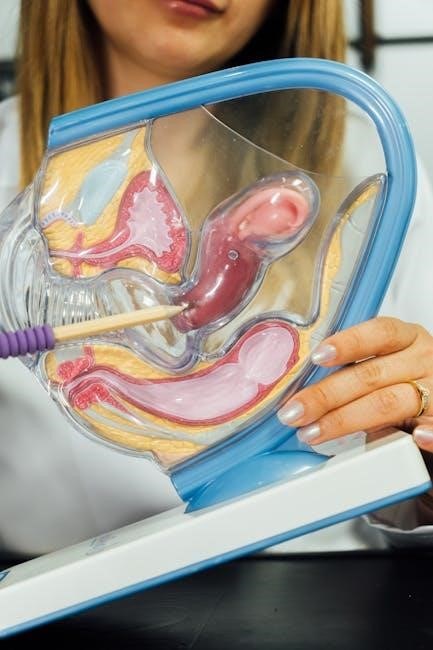
The Oxford Handbook of Clinical Medicine PDF delivers a robust section on Obstetrics and Gynaecology, essential for medical professionals. It covers antenatal care, labour management, and postpartum complications, offering practical guidance based on current best practices. Accessing the PDF provides immediate reference to crucial topics like pre-eclampsia, gestational diabetes, and postpartum hemorrhage.
Gynaecological coverage includes menstrual disorders, contraception, and management of common pelvic conditions. The handbook details diagnostic approaches to infertility and gynaecological cancers, supporting informed clinical decisions.
Updated editions reflect advancements in assisted reproductive technologies and minimally invasive surgical techniques. The Oxford Handbook, in PDF form, provides algorithms for managing obstetric emergencies and a concise overview of relevant anatomy and physiology, proving invaluable in practice.
Paediatrics
The Oxford Handbook of Clinical Medicine PDF features a comprehensive Paediatrics section, crucial for trainees and consultants. It offers guidance on assessing and managing common childhood illnesses, from neonatal conditions to adolescent health concerns. The PDF format allows quick access to information on developmental milestones, immunization schedules, and nutritional guidelines.
Key areas covered include respiratory infections, gastrointestinal disorders, and neurological problems in children. Diagnostic algorithms and treatment protocols are clearly presented, supporting evidence-based practice.
Recent editions incorporate updated recommendations for managing paediatric emergencies, including sepsis and anaphylaxis. The handbook’s concise format, available as a PDF, makes it an ideal resource for bedside clinical decision-making, ensuring optimal patient care for young individuals.
Emergency Medicine and Critical Care
The Oxford Handbook of Clinical Medicine PDF provides a robust section dedicated to Emergency Medicine and Critical Care, essential for rapid assessment and intervention. It details the management of life-threatening conditions, including trauma, sepsis, and acute respiratory failure. The PDF format facilitates immediate access to crucial protocols and algorithms.
This section covers initial resuscitation techniques, airway management, and hemodynamic stabilization. Diagnostic approaches to undifferentiated patients are clearly outlined, aiding in efficient triage and diagnosis.
Updated editions reflect current guidelines for advanced life support and critical care monitoring. The handbook’s concise presentation, within the PDF, supports quick reference during high-pressure situations, ultimately enhancing patient outcomes in emergency and critical care settings.
Clinical Skills and Procedures
The Oxford Handbook of Clinical Medicine PDF dedicates significant space to foundational clinical skills and essential procedures, vital for both medical students and practicing clinicians. This section offers step-by-step guidance on physical examination techniques, including cardiovascular, respiratory, and neurological assessments.
Detailed descriptions and illustrations accompany procedural guidance, covering areas like venipuncture, arterial blood gas sampling, lumbar puncture, and basic wound care. The PDF format allows for convenient offline access during clinical rotations and practical training.
Recent editions incorporate updated best practices and evidence-based techniques, ensuring users have access to the most current information. The handbook’s structured approach promotes competency and confidence in performing essential clinical skills, enhancing patient safety and care quality.
Accessing the Oxford Handbook of Clinical Medicine PDF

Obtaining the Oxford Handbook of Clinical Medicine PDF involves several avenues, ranging from official sources to online repositories. The Oxford University Press website offers purchase options for the digital version, ensuring legitimate access and supporting the authors. However, numerous websites host PDF downloads, some legally questionable.
Platforms like PDFDrive and various online libraries contain copies, though users must be mindful of copyright restrictions. Searching online yields results from 2014 and the latest 2024 edition (June 6th), but verifying the source’s reliability is crucial.
Consider institutional access through university libraries, often providing students and staff with free, legal PDF access. Always prioritize ethical considerations and legitimate sources when downloading and utilizing this valuable resource.
Legality and Ethical Considerations of PDF Downloads
Downloading the Oxford Handbook of Clinical Medicine PDF from unofficial sources raises significant legal and ethical concerns. Copyright laws protect the intellectual property of Oxford University Press and the handbook’s authors. Unauthorized downloads constitute copyright infringement, potentially leading to legal repercussions for the user.
Furthermore, ethically, supporting authors and publishers through legitimate purchases ensures continued high-quality content creation. Utilizing illegally obtained PDFs undermines this system. While access to medical resources is vital, it shouldn’t come at the expense of respecting intellectual property rights.
Prioritizing official channels or institutional subscriptions demonstrates professional integrity and supports the advancement of medical knowledge. Always verify the source’s legitimacy before downloading to avoid legal issues and ethical breaches.
Comparison with Other Clinical Medicine Handbooks
The Oxford Handbook of Clinical Medicine PDF distinguishes itself through its comprehensive scope and regularly updated content, with the latest edition appearing June 6, 2024. Compared to alternatives like the Washington Manual of Medical Therapeutics or Harrison’s Principles of Internal Medicine, Oxford offers a more concise, rapid-access format ideal for bedside clinical practice.
While Harrison’s provides exhaustive detail, and the Washington Manual focuses on US-centric protocols, the Oxford Handbook adopts a globally relevant approach. Other handbooks, such as those specializing in anesthesia or specific medical fields, offer focused depth, but lack the broad coverage of the Oxford edition.
Its strength lies in synthesizing essential information, making it a preferred choice for medical students and junior doctors needing quick, reliable guidance during clinical rotations.
Future Trends and Potential Developments
The Oxford Handbook of Clinical Medicine PDF is poised for continued evolution, mirroring advancements in medical technology and practice. Future editions will likely integrate more digital resources, potentially including interactive algorithms, video demonstrations of clinical procedures, and links to evidence-based guidelines.
Artificial intelligence (AI) could play a role, offering personalized content recommendations and diagnostic support within the digital handbook. Expect increased emphasis on telehealth, preventative medicine, and global health challenges, reflecting current priorities.
Accessibility will remain key, with ongoing efforts to optimize the PDF format for various devices and ensure affordability. Collaboration with medical societies and international organizations will enhance the handbook’s global relevance and accuracy, solidifying its position as a leading clinical resource.
Resources and Further Reading
For those seeking supplementary materials alongside the Oxford Handbook of Clinical Medicine PDF, the Oxford University Press website ([https://oxfordmedicine.com/](https://oxfordmedicine.com/)) provides access to related textbooks and online resources. Exploring other Oxford Medical Handbooks, such as those focused on Anaesthesia or Cardiology, can broaden your clinical knowledge;
Medical journals like the New England Journal of Medicine and The Lancet offer cutting-edge research and clinical updates. Online databases like PubMed and UpToDate are invaluable for evidence-based practice. Consider exploring resources from professional organizations like the American Medical Association (AMA).
Furthermore, platforms offering medical education videos and podcasts, such as Osmosis and Lecturio, can complement the handbook’s content. Always prioritize official sources and critically evaluate information to ensure accuracy and relevance.